
Mayo is a beloved condiment used in countless recipes, from creamy coleslaw to savory sandwiches. However, whether due to dietary restrictions, a dislike for its flavor, or just being out of stock, many people find themselves in need of alternatives. This guide explores various substitutes for mayonnaise, their flavor profiles, and the best ways to use them in your cooking.
Each mayonnaise alternative brings its unique qualities to the table, so you’ll find that some work better in specific dishes than in others. Whether you’re seeking a healthier option or simply a different taste, this article will help you discover what to use instead of mayo in your favorite recipes.
What to Use Instead of Mayo?
There are numerous substitutes for mayonnaise, each offering its unique flavor and texture. Options like Greek yogurt, avocado, or hummus can create creamy, delightful dishes while accommodating different dietary needs. Here’s a breakdown of some fantastic alternatives.
Popular Mayo Substitutes
1. Greek Yogurt
Greek yogurt is a thick, creamy dairy option that adds a tangy flavor while providing additional protein compared to mayo. It works well in recipes like salads, dips, and dressings.
- Ratio: Use a 1:1 substitution for recipes calling for Mayo.
- Flavor Notes: Slightly tangy with a smooth texture.
2. Avocado
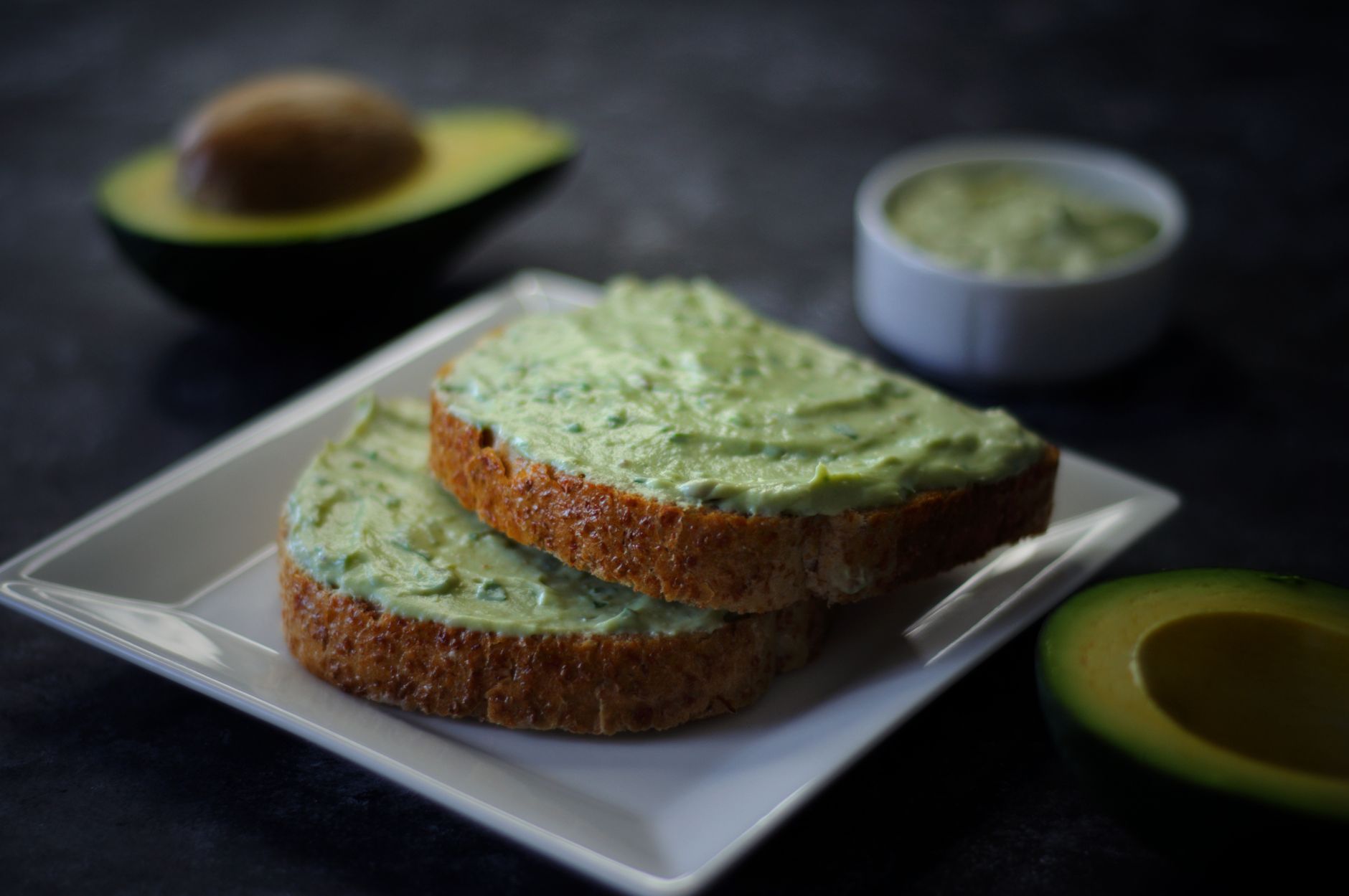
Avocado serves as a vibrant, nutritious substitute. Its creamy consistency makes it perfect for spreads or as a binding agent in salads.
- Ratio: Use mashed avocado as a 1:1 substitute for mayo.
- Flavor Notes: Rich and buttery, with healthy fats.
3. Hummus
This chickpea-based spread offers a unique flavor and can be used in sandwiches or as a dip for vegetables. Hummus adds a good source of fiber and protein.
- Ratio: Substitute hummus in a 1:1 ratio.
- Flavor Notes: Earthy and nutty, often enhanced with garlic or lemon.
4. Mustard
While mustard has a different flavor profile, it can add a zesty kick to salads and dressings. It works excellently in potato salad or deviled eggs, offering a tang without the creaminess.
- Ratio: Use about 1 tablespoon of mustard for every 2 tablespoons of mayo.
- Flavor Notes: Pungent and tangy, with a slight spiciness.
5. Sour Cream
Sour cream is another creamy alternative that can be used similarly to Greek yogurt. It’s great in dips and dressings, providing a delightful richness.
- Ratio: Substitute sour cream in a 1:1 ratio.
- Flavor Notes: Creamy and tart, enhancing the overall taste of the dish.
6. Nut Butter
Alternatives like almond or cashew butter can work in some recipes, particularly in dressings or sauces where a nutty flavor complements the dish.
- Ratio: Start with a 1:1 substitution and adjust to taste.
- Flavor Notes: Rich and nutty, with varying degrees of sweetness.
7. Silken Tofu
Silken tofu offers a protein-rich alternative that is also vegan-friendly. It can be blended to create a smooth consistency for use in dressings or spreads.
- Ratio: Use a 1:1 substitute for mayo.
- Flavor Notes: Neutral flavor that takes on other ingredients well.
8. Vegan Mayo
If you’re looking for a direct substitute that retains the mayo characteristic but excludes eggs or dairy, many brands offer vegan alternatives. These usually have a similar taste and texture to traditional mayo.
- Ratio: Substitute 1:1 for regular mayo.
- Flavor Notes: Mimics classic mayo flavors, depending on the brand.
When to Use Each Substitute
The choice of substitute can be influenced by the specific recipe in question or the desired flavor profile. Here’s a guide on when to use these alternatives:
For Sandwiches and Spreads
- Greek Yogurt: Great for a healthier tuna salad or chicken salad.
- Avocado: Perfect for a thicker spread on toast or sandwiches.
- Vegan Mayo: Best for maintaining the classic flavor and texture without the eggs.
For Dips and Dressings
- Hummus: Ideal for a creamy dip, especially when paired with herbs.
- Sour Cream: Excellent for creamy ranch dressing or dips.
- Silken Tofu: A versatile choice that can be blended with various flavors for dressings.
For Salads
- Mustard: Adds a zesty flavor to potato or egg salad.
- Greek Yogurt or Sour Cream: Works well in coleslaw or pasta salads, adding creaminess and tang.
Cooking Tips for Substitutes
When replacing mayo in recipes, there are a few tips to keep in mind:
- Start with the suggested ratio, but feel free to adjust to your taste preferences.
- Consider the flavor profile of your dish. For instance, choose mustard for a tangy addition or avocado for a creamy, rich texture.
- In some recipes, especially baked goods, the consistency of the substitute may affect the outcome, so be cautious with replacements in these cases.
- Experiment with seasoning. Many substitutes benefit from the addition of spices, herbs, or acids such as lemon juice to enhance flavor.
Common Mistakes When Substituting
While substituting mayonnaise, here are some common pitfalls to avoid:
- Using a substitute without considering its flavor impact can lead to an unbalanced dish. Taste as you go!
- Misjudging ratios can alter the consistency of dips or spreads, making them too dry or too wet. Always measure carefully.
- Overlooking dietary considerations if cooking for others. Be sure to label substitutes, especially for those with allergies or specific diet requirements.
Storage and Shelf Life of Substitutes
Storing your mayo substitutes properly will help maintain their quality and freshness:
- Greek Yogurt: Store in the refrigerator and use within a week of opening.
- Avocado: Best used fresh, but mashed avocado can be stored in an airtight container for 1-2 days with lemon juice to minimize browning.
- Hummus: Keep refrigerated and consume within a week.
- Sour Cream: Use within a week of opening for best creaminess.
- Nut Butters: Store in a cool, dry place; most have a long shelf life.
Conclusion
There are numerous delicious, viable substitutes for mayonnaise that can fit perfectly into your meals, depending on your dietary needs or personal preferences. Options like Greek yogurt, avocado, or hummus can elevate your recipes while maintaining the moisture and creaminess that mayo typically offers. Experiment with different alternatives to find your favorite flavor combinations and enhance your culinary creations.
For more insights into mayonnaise and its alternatives, consider exploring topics like whether mayo is bad for you or learn how to make hummus without tahini. There’s so much more to uncover in the world of cooking and ingredient flexibility!