
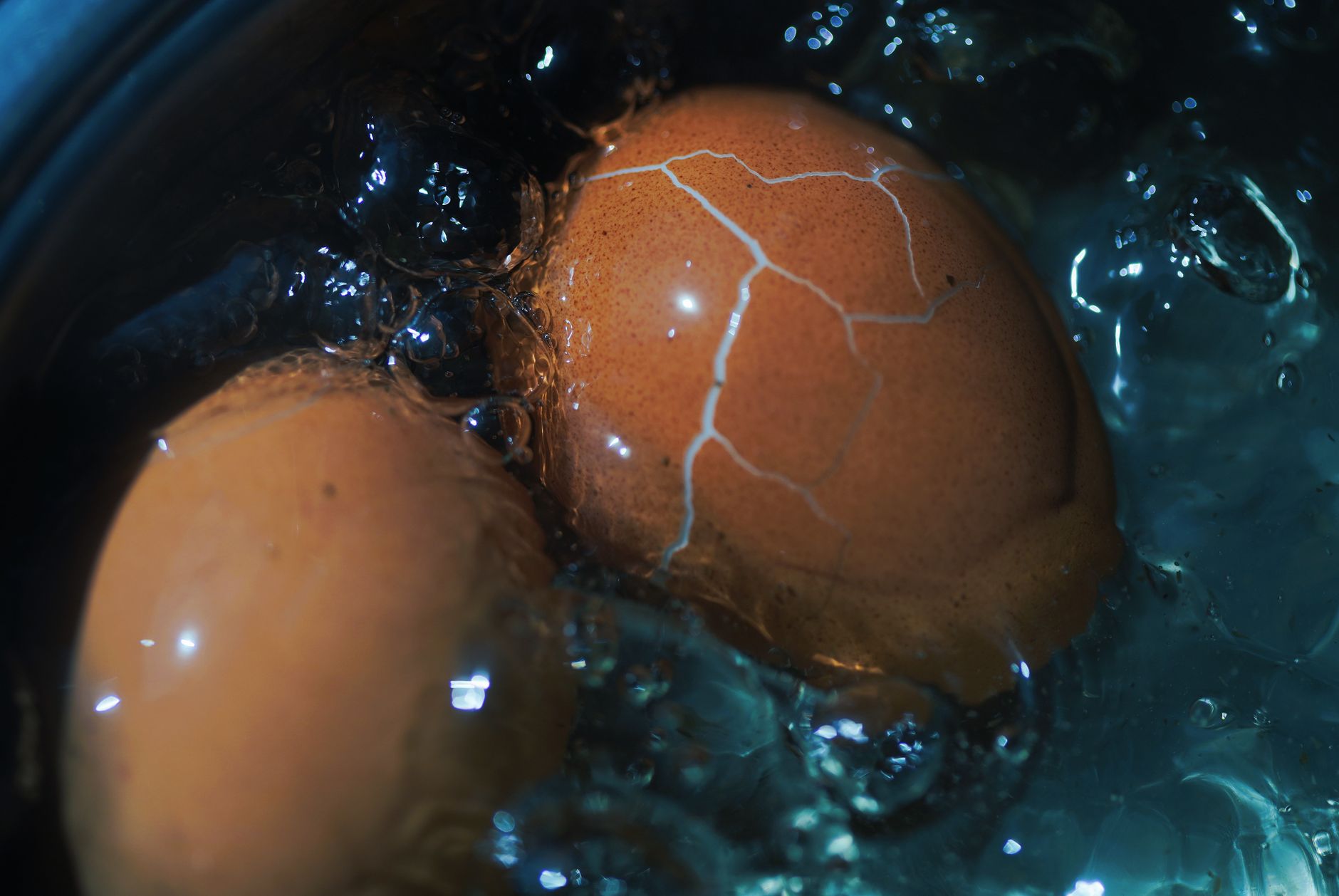
Hard boiled eggs are a versatile snack and ingredient that can be enjoyed in various dishes. However, if you’re wondering about their safety when left unrefrigerated, you’re not alone. Understanding the best practices for storing hard boiled eggs is essential for food safety and optimal taste.
This article provides thorough guidance on whether you can leave hard boiled eggs out, including storage tips, the science behind food safety, and best practices to keep your eggs fresh.
Can You Leave Hard Boiled Eggs Out?
No, it’s not safe to leave hard boiled eggs out at room temperature for extended periods. Hard boiled eggs should be refrigerated within two hours of cooking to maintain their quality and safety. This helps to prevent the risk of foodborne illnesses associated with improper food storage.
Hard boiled eggs are considered perishable items, and when they’re left out, bacterial growth can occur. Always store them correctly to enjoy their nutrition and flavor safely.
What Happens When Hard Boiled Eggs Are Left Out?
When hard boiled eggs are left at room temperature, the risk of bacterial contamination increases significantly. Bacteria such as Salmonella can proliferate, particularly if the eggs are kept at temperatures above 40°F (4°C). Here’s what you need to know:
- Temperature Danger Zone: Foods, including eggs, should not be left in the temperature danger zone (between 40°F and 140°F) for more than two hours. If the ambient temperature exceeds 90°F (32°C), this time reduces to one hour.
- Bacterial Growth: Hard boiled eggs can become a breeding ground for bacteria if not stored properly. Certain pathogens can cause foodborne illnesses, which can be serious.
- Texture and Quality: Exposure to air and warm temperatures can also affect the texture and taste of hard boiled eggs, making them rubbery or unpleasantly strong in flavor.
How to Properly Store Hard Boiled Eggs
Storing hard boiled eggs correctly is crucial to extending their freshness and safety. Follow these guidelines for optimal storage:
Cooling After Cooking
- After boiling, transfer the eggs to an ice bath or run cold water over them for a few minutes. This helps to stop the cooking process and cool them quickly.
- Once cooled, gently tap the eggs to crack the shell slightly, allowing for air exchange, which can help prevent overcooking.
Refrigeration
Store hard boiled eggs in the refrigerator as soon as possible:
- Timing: They should be placed in the fridge within two hours of boiling.
- Container: Use a clean, dry container and keep the eggs in their shells to help protect them from bacteria and odors.
- Duration: Properly stored hard boiled eggs will last for up to one week in the refrigerator.
Shelled vs. Unshelled Storage
Hard boiled eggs can be stored either shelled or unshelled:
- Unshelled: Untouched, hard boiled eggs are better in terms of shelf life and flavor.
- Shelled: If you remove the shell, consume them within two days for the best quality, and store them in a sealed container with moist paper towels to retain moisture.
Signs of Spoilage
It’s important to inspect hard boiled eggs for any signs of spoilage before consuming them:
- Odor: A strong sulfur smell indicates spoilage. Fresh hard boiled eggs should have a neutral aroma.
- Appearance: Discoloration or slimy texture means that the eggs are no longer safe to eat.
- Float Test: Fresh eggs will sink and lie flat on the bottom; older eggs may stand upright or float, indicating spoilage.
How to Reheat Hard Boiled Eggs
Sometimes, you may want to reheat hard boiled eggs for a dish. Here’s how to do it properly:
- Microwave: Microwave for about 10-15 seconds in a microwave-safe dish covered with a damp paper towel to retain moisture. Be cautious as they can explode in the microwave if overheated.
- Boiling Water: Place the eggs in boiling water for about 5-10 minutes to gently warm them up.
- Oven: Preheat the oven to 300°F (150°C) and bake the eggs for about 15 minutes. This is more suitable for larger batches.
Creative Ways to Use Hard Boiled Eggs
Hard boiled eggs can be incorporated into a variety of dishes. Here are a few ideas:
- Salads: Add sliced hard boiled eggs to salads for extra protein, like a classic Cobb salad or in a Niçoise salad.
- Deviled Eggs: A popular party snack where the yolks are mixed with mayonnaise, mustard, and seasonings before being piped back into the egg whites.
- Egg Sandwiches: Create a delicious egg salad sandwich or layer hard boiled eggs on toast with avocado.
- Breakfast Bowls: Include hard boiled eggs in breakfast bowls with grains, greens, and your choice of sauces.
Common Hard Boiled Egg Mistakes
Here are some common pitfalls to avoid when making or storing hard boiled eggs:
- Overcooking: Cooking for too long leads to a green ring around the yolk, indicating iron sulfide formation. Stick to the timing!
- Not Cooling Quickly: Failing to cool them quickly can lead to overcooked eggs, enhancing the rubbery texture.
- Ignoring Storage Guidelines: Not refrigerating eggs promptly can lead to spoilage. Remember to refrigerate within two hours.
Conclusion
In summary, it is not safe to leave hard boiled eggs out at room temperature for more than two hours. To enjoy their benefits and flavors, ensure they are stored in the refrigerator promptly and consumed within the recommended timeframe. Be mindful of spoilage signs, and always prioritize food safety.
If you’re looking for more food safety tips, you might find it useful to read about how long chicken can sit out, or if you’re preparing a meal, check out how long it takes to bake a sweet potato. Explore these guides to enhance your kitchen knowledge!