
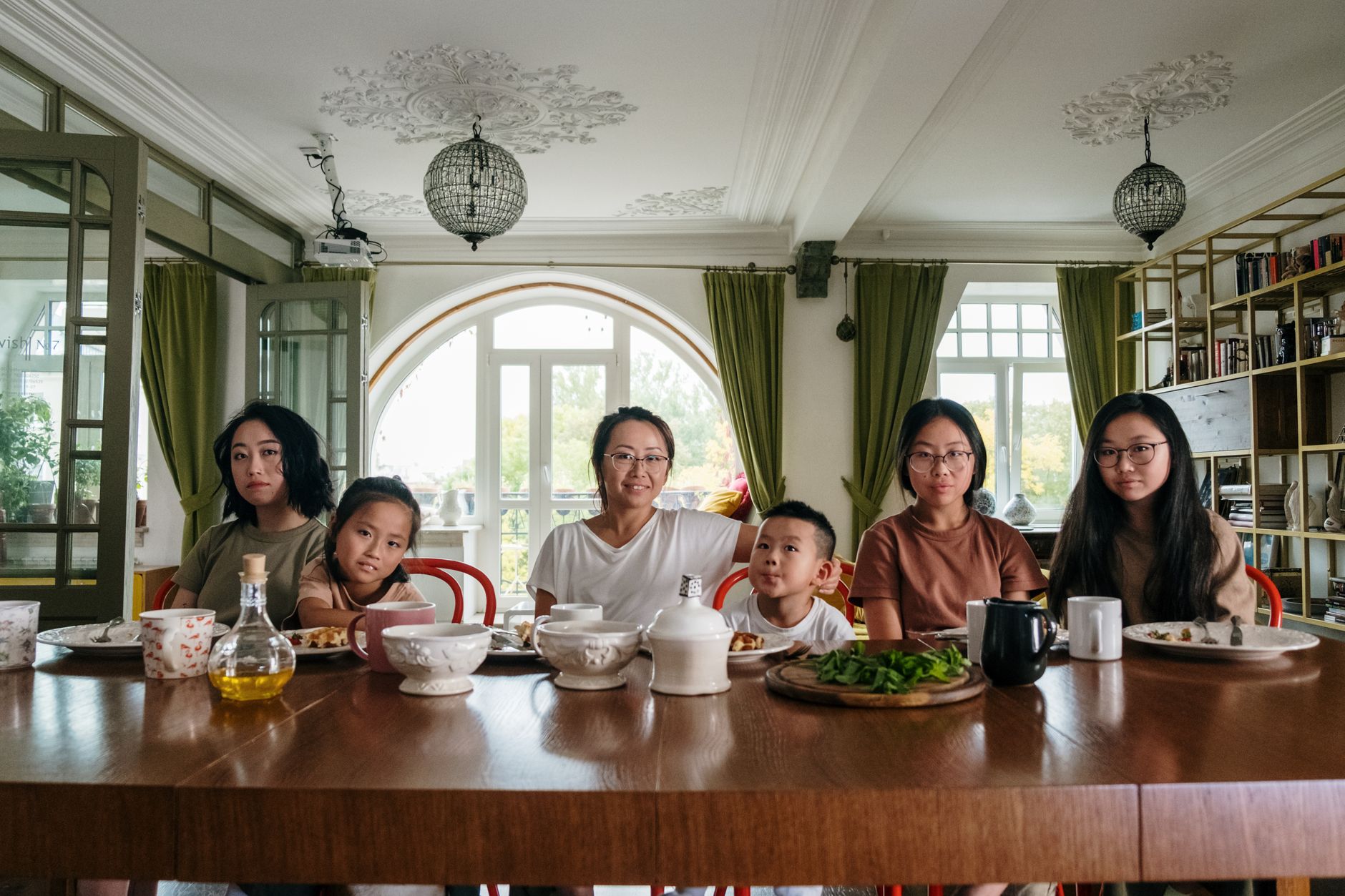
Deciding what to make for supper can often feel like a daunting task. With busy schedules and varying tastes at the dining table, it’s easy to resort to the same old meals. This article offers a variety of ideas, including sides, sauces, and serving suggestions to elevate your supper game.
The following sections will explore practical recipes, cooking techniques, and meal planning ideas to help you create delicious suppers without the stress. Whether you’re in the mood for hearty comfort food or lighter fare, there’s something here to satisfy everyone.
What to Make for Supper?
When considering what to make for supper, it’s essential to think about balance and flavor. A well-rounded meal typically consists of a protein, a few sides, and a complementary sauce. By combining these elements, you can create a satisfying supper tailored to your preferences.
Main Protein Options
Proteins form the core of your meal, and there are numerous options to choose from. Here are a few popular protein sources along with a brief overview of their characteristics.
- Poultry: Chicken and turkey are versatile, lean proteins that can be grilled, roasted, or stir-fried. They absorb flavors well, making them perfect for various marinades and sauces.
- Beef: Rich in flavor and texture, beef is excellent for hearty meals. Cuts like ribeye or sirloin are great for grilling, while tougher cuts like chuck are ideal for slow cooking.
- Pork: Tender cuts like pork tenderloin can be cooked quickly, while belly or shoulder cuts benefit from slow-roasting for richer flavor.
- Seafood: Fish, shrimp, and scallops cook quickly and pair well with lighter fare. Options like salmon and cod offer different flavors and health benefits.
- Plant-based proteins: Tofu, tempeh, and legumes are great alternatives for vegetarians and vegans. They provide essential nutrients and can be seasoned to complement other dish components.
Delicious Side Dishes
Complementing your main protein with side dishes enhances the overall dining experience. Here are some classic and contemporary side options:
Vegetable Sides
- Roasted Vegetables: Toss seasonal vegetables like carrots, broccoli, and bell peppers with olive oil, salt, and pepper, then roast until tender and caramelized.
- Steamed Greens: Lightly steam greens like spinach or kale and season with lemon juice or garlic for a fresh contrast to heavier proteins.
- Coleslaw: Quick to prepare, a tangy coleslaw adds crunch and brightness. Combine shredded cabbage and carrots with a simple vinaigrette.
Starch-Based Sides
- Rice: Versatile and easy to prepare, rice can be served plain or flavored with herbs or spices. Try jasmine or wild rice for distinct flavors.
- Potatoes: Mashed, roasted, or baked potatoes pair well with most proteins, and they can be flavored with various herbs and butter.
- Pasta: A great base for sauce, pasta can also be served cold in a salad or warm with seasonal vegetables for a light supper option.
Flavorful Sauces
Every great dish deserves an equally delicious sauce to tie everything together. Here are some popular sauces and how to pair them with your main dish.
Classic Sauces
- Gravy: Perfect for roasting meats, a homemade gravy can be made from the pan drippings, thickened with a roux, and flavored with herbs.
- Marinara: This tomato-based sauce is perfect for pasta or as a base for chicken parmigiana. It’s simple to make and can be batch-prepared.
- BBQ Sauce: Ideal for grilling, homemade BBQ sauce can be customized with various spices and sweetness levels to match the chosen protein.
Creamy and Rich Sauces
- Alfredo Sauce: A creamy garlic sauce perfect for coating pasta or drizzling over grilled chicken. Simply combine heavy cream, parmesan, and garlic for a rich flavor.
- Pesto: Made from fresh basil, garlic, pine nuts, and parmesan, pesto adds freshness and depth of flavor to pasta dishes or grilled protein.
- Chimichurri: This bright, herbaceous sauce is fantastic for drizzling over grilled meats. It typically features parsley, garlic, vinegar, and olive oil.
Meal Planning Ideas
Planning your meals in advance can save time and reduce stress during busy weeks. Below are some practical tips for effective meal planning.
Building a Balanced Meal
- Choose a protein source: Pick one or two proteins for the week to simplify shopping and preparation.
- Select side dishes: Plan two to three different sides, such as one starch and one or two vegetable options.
- Incorporate a sauce: Choose a versatile sauce that pairs well with multiple proteins and sides.
Batch Cooking
Batch cooking allows you to prepare meals in advance, making supper decisions easier throughout the week.
- Cook grains like rice or quinoa in large batches and store them in the refrigerator for easy use.
- Roast a variety of vegetables at once. They can be incorporated into salads, served as sides, or tossed into wraps.
- Make larger portions of sauces and keep them on hand in the fridge or freezer.
Ingredient Overlap
Maximize your grocery shopping by selecting ingredients that can be used in multiple meals. It not only saves money but also reduces waste.
- Use the same vegetables across various dishes. Zucchini, bell peppers, and onions work well in stir-fries, pasta, or roasted sides.
- Choose proteins that can be cooked in different ways. For instance, chicken can be grilled one night, and used in a salad or wraps later in the week.
- Seasonal produce often overlaps in flavor profiles. If you buy fresh herbs or citrus, utilize them across various recipes to enhance flavors.
Serving Suggestions
The way you present a meal can enhance the dining experience. Here are some thoughtful serving ideas:
Plating Tips
- Use contrasting colors: A visually appealing meal often features a range of colors from different food groups. Consider adding herbs, edible flowers, or colorful garnishes.
- Layer flavors: Build your plate from the base up. Start with starch, then protein, and finish with vegetables or sauce drizzled artistically.
- Utilize serving boards: Charcuterie or grazing boards can be a fun, interactive way to dine. Arrange proteins, cheeses, vegetables, and sauces on a large board for guests to enjoy.
Family Style Serving
Encouraging family-style dining creates a welcoming atmosphere. Consider the following:
- Put large bowls of sides and sauces on the table, allowing everyone to serve themselves.
- Encourage everyone to share and pass around dishes, fostering a sense of community and connection during meals.
Themed Dinners
Fun themed dinners can make supper more exciting. Suggestions include:
- Taco Night: Provide various toppings and fillings for guests to create their own personalized tacos.
- Italian Night: Prepare a variety of pasta dishes with different sauces, accompanied by a small salad and garlic bread.
- BBQ Night: Offer grilled meats with classic sides like coleslaw and baked beans for a festive outdoor meal.
Common Mistakes and Troubleshooting
Even experienced cooks make mistakes. Here are some common issues and how to troubleshoot them:
Overcooking Proteins
Overcooked meat results in toughness. Use a meat thermometer to check doneness. For chicken, cook to an internal temperature of 165°F (75°C); beef and pork should be 145°F (63°C).
Flavor Imbalances
If a dish tastes bland, it may need more seasoning. Gradually add salt, acid (lemons or vinegar), or spices to balance flavors. Taste as you go!
Timing Issues
Ensure everything is cooked simultaneously. If you’re preparing multiple dishes, time their cooking to coordinate. Prepare slower-cooking items first, like grains or roasted veggies, and start quicker cooking proteins last.
Make-Ahead Guidance
Many supper components can be made ahead of time, saving valuable minutes during the week. Consider the following:
- Cook and store grains in the refrigerator for easy reheating. They can be added to salads, served as sides, or used in bowls.
- Marinate proteins the day before for enhanced flavor. This can include chicken, beef, or shrimp.
- Prepare sauces in larger batches and freeze in portions for use later.
Storage and Reheating Tips
To ensure the freshness of your meal, proper storage is crucial:
- Store leftovers in airtight containers to maintain freshness. Use clear labels to identify contents and dates.
- Some meals, like casseroles, reheat well in the oven. Preheat to 350°F (175°C) and warm until heated through.
- Microwave reheating can be convenient. Use microwave-safe containers and cover to prevent splattering.
By exploring these various aspects of meal preparation and planning, you can confidently determine what to make for supper. Elevating your meals doesn’t have to be complicated; it can be as simple as choosing complementary elements while keeping in mind flavor and variety.
If you’re looking for more specific recipes or cooking tips, consider exploring our chicken pot pie crust recipe or try out a warm bowl of cheeseburger soup for a cozy family dinner. Happy cooking!