
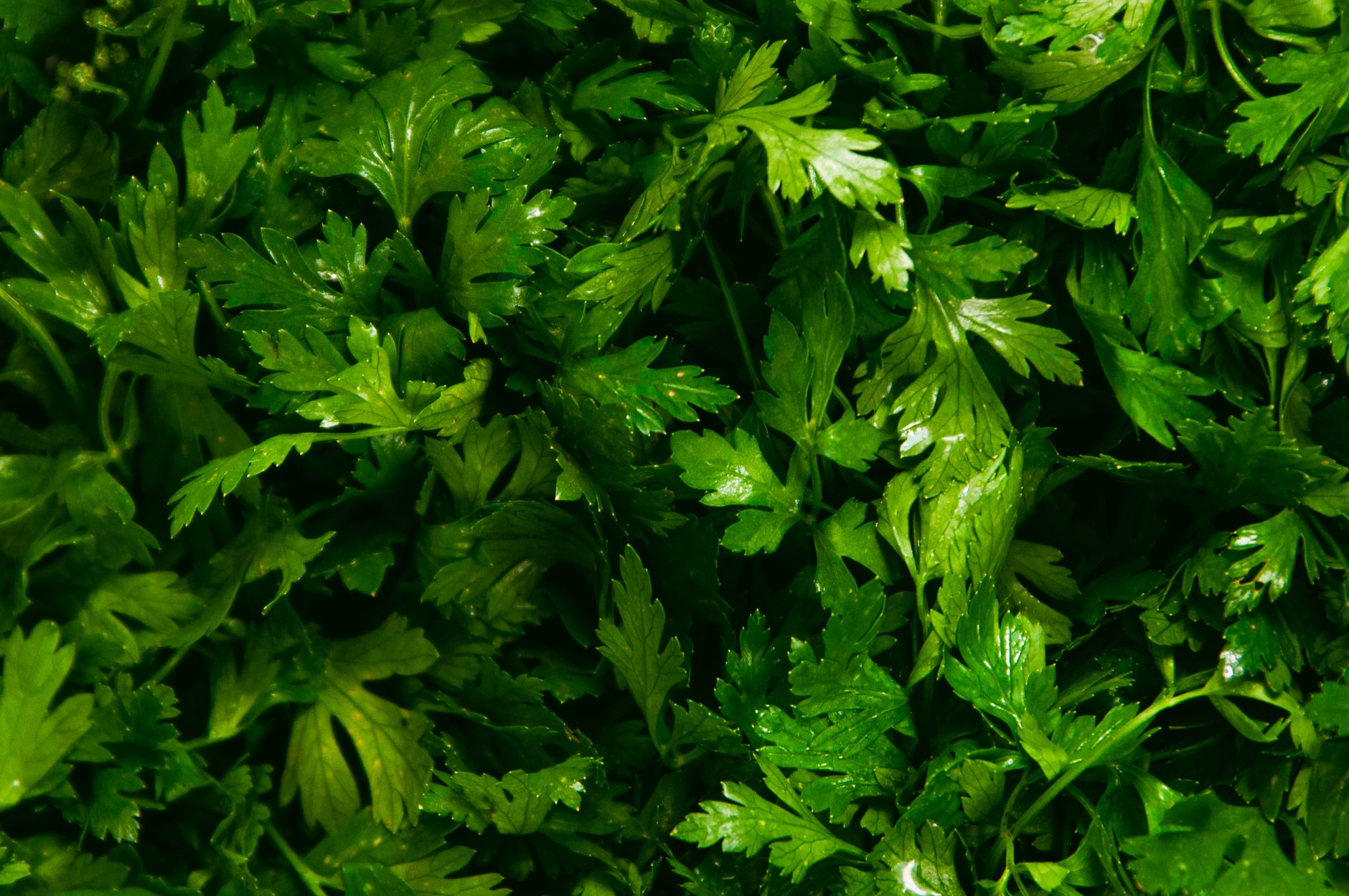
Fresh parsley is a versatile herb that can elevate a wide array of dishes, adding both flavor and visuals. Whether you have a healthy bunch sitting in your kitchen or are looking for new ways to use this common herb, you’ve come to the right place. Explore our guide on what to do with fresh parsley, featuring recipe ideas, serving tips, and valuable insights for making the most of this aromatic green.
From garnishing to being the star ingredient, parsley can fulfill various roles in your culinary creations. It is not just a garnish; it can enhance dishes, offer fresh flavors, and even play a vital role in healthy cooking. Let’s dive deeper into the many ways to use fresh parsley effectively.
What to Do with Fresh Parsley?
Fresh parsley can be used in numerous ways, including salads, sauces, soups, and garnishes. It brings a bright, herbal flavor that complements a variety of cuisines. Additionally, it can be used in marinades, dressings, and dips, making it an invaluable herb in your kitchen.
Understanding Fresh Parsley
Parsley comes in two main varieties: flat-leaf (or Italian) parsley and curly parsley. Flat-leaf parsley is preferred by many chefs for its robust flavor and is easier to chop, while curly parsley is often used as a garnish. Fresh parsley is best used when it is bright green and not wilted. Always look for healthy leaves and avoid stems that appear yellow or brown.
Storage Tips for Fresh Parsley
- Wrap the parsley in a damp paper towel and place it in a plastic bag to keep it refrigerated.
- You can also store fresh parsley in a glass of water, similar to flowers, covering the leaves with a bag for extra humidity.
- For longer-lasting options, consider freezing parsley by chopping it and placing it in an ice cube tray with water or olive oil.
Recipe Ideas for Fresh Parsley
1. Parsley Pesto
This vibrant sauce replaces traditional basil with fresh parsley, offering a unique twist. Perfect for pasta, pizza, or as a dip.
Servings: 4 | Preparation Time: 10 minutes | Total Time: 10 minutes
Ingredients:
- 2 cups fresh parsley, packed
- 1/2 cup grated Parmesan cheese
- 1/2 cup nuts (pine nuts or walnuts recommended)
- 2 garlic cloves, minced
- 1/2 cup olive oil
- Salt and pepper to taste
Essential Equipment:
- Food processor
- Spatula
- Measuring cups and spoons
Method:
- In a food processor, combine parsley, nuts, Parmesan, and garlic. Pulse until finely chopped.
- Scrape down the sides of the bowl, then slowly add olive oil while processing until fully combined.
- Season with salt and pepper to taste, and adjust the consistency with more oil if necessary.
2. Tabouli Salad
This refreshing Middle Eastern salad showcases parsley in a light, flavorful way. It’s great as a side or a light meal on warm days.
Servings: 4 | Preparation Time: 15 minutes | Total Time: 15 minutes
Ingredients:
- 1 cup bulgur wheat
- 1 1/2 cups hot water
- 2 cups fresh parsley, finely chopped
- 1 cup tomato, diced
- 1/2 cup cucumber, diced
- 1/4 cup green onions, finely sliced
- 1/4 cup lemon juice
- 1/4 cup olive oil
- Salt and pepper to taste
Essential Equipment:
- Mixing bowl
- Measuring cups and spoons
- Knife and cutting board
Method:
- In a bowl, combine bulgur wheat and hot water. Let it sit for about 15 minutes until the water is absorbed.
- Once cooked, fluff the bulgur with a fork and let it cool.
- Add the parsley, tomato, cucumber, and green onions to the bulgur.
- In a separate bowl, whisk together lemon juice, olive oil, salt, and pepper; pour over the salad.
- Toss gently to combine, then refrigerate for at least 30 minutes before serving.
3. Herb Chicken with Parsley
Parsley pairs perfectly with chicken, offering a fresh and herbaceous flavor that suits a weeknight dinner.
Servings: 4 | Preparation Time: 10 minutes | Cooking Time: 20 minutes | Total Time: 30 minutes
Ingredients:
- 4 boneless chicken breasts
- 1/4 cup fresh parsley, chopped
- 3 tablespoons olive oil
- 2 garlic cloves, minced
- 1 teaspoon dried thyme
- Salt and pepper to taste
Essential Equipment:
- Skillet or frying pan
- Measuring cups and spoons
- Cooking tongs
Method:
- Season chicken breasts with salt, pepper, and thyme.
- Heat olive oil in a skillet over medium-high heat. Add chicken breasts and cook for 7–8 minutes per side or until cooked through (165°F).
- In the last minute of cooking, add garlic and parsley to the pan, swirling to coat the chicken.
- Remove from heat and let rest for a few minutes before serving.
4. Garlic and Parsley Butter
This compound butter is an exquisite way to enjoy parsley. It can enhance flavors in many dishes, from bread to grilled meats.
Servings: 8 | Preparation Time: 5 minutes | Total Time: 5 minutes
Ingredients:
- 1/2 cup unsalted butter, softened
- 1/4 cup fresh parsley, finely chopped
- 2 garlic cloves, minced
- Salt to taste
Essential Equipment:
- Bowl and fork
- Spoon or spatula
Method:
- In a bowl, mix softened butter, parsley, garlic, and salt until well combined.
- Transfer to a piece of plastic wrap and shape into a log; refrigerate until firm.
- Slice and serve with bread, vegetables, or melted over grilled meats.
Practical Serving Tips for Fresh Parsley
1. Garnishing
Fresh parsley’s vibrant color makes it an excellent garnish. Simply chop or pluck whole leaves to sprinkle over soups, pastas, or salads. This adds not only a color contrast but also a fresh flavor that can enhance the overall dish.
2. Flavorful Dressings and Marinades
Incorporating fresh parsley into dressings brings an herbal twist. Blend parsley with olive oil, vinegar, and your choice of spices to create an invigorating salad dressing. Additionally, parsley can be added to marinades for meats, helping to tenderize while infusing deep flavors.
3. Infusing Oils
For an aromatic addition to your dishes, consider infusing oils with parsley. Gently heat olive oil and add chopped parsley, allowing it to steep for about 30 minutes. This parsley-infused oil can dress salads or drizzle over vegetables.
4. Blending into Smoothies
Add a handful of fresh parsley into green smoothies for a fresh herbal undertone. It pairs well with fruits like apples and bananas and can enhance the nutrient profile without overpowering the flavors.
Common Mistakes with Parsley and How to Avoid Them
1. Using Wilted Parsley
Always select fresh parsley for the best flavor. Wilted or yellowing leaves can lead to a bland taste. Ensure you inspect your herb before cooking.
2. Overcooking Fresh Parsley
Fresh parsley is best added toward the end of cooking. Overcooking it diminishes its flavor and vibrant color. Add parsley during the last few minutes of cooking or as a garnish.
3. Substituting Dried for Fresh Parsley
While dried parsley can substitute for fresh in a pinch, it lacks the aroma and flavor intensity. Use a much smaller quantity (about 1 teaspoon dried for every tablespoon of fresh) and compensate with cooking time.
Creative Parsley Variations to Consider
1. Parsley and Cucumber Salsa
Combine diced cucumbers, freshly chopped parsley, onions, and tomatoes with a squeeze of lime for a refreshing salsa. This works excellently as a topping for fish tacos.
2. Parsley Hummus
Blend fresh parsley into traditional hummus. The parsley provides a refreshing twist that complements the chickpeas beautifully.
3. Parsley Rice
Consider stirring chopped parsley into cooked rice for a splash of color and flavor. It pairs well with lemon zest, offering a bright side dish.
Exploring Cultural Uses of Parsley
Parsley is not only essential in home kitchens but also plays a significant role in various cuisines. In Mediterranean and Middle Eastern dishes, parsley is frequently used in salads and sauces such as tabbouleh and chimichurri. In Italian cooking, flat-leaf parsley is often included in sauces and pasta dishes, highlighting its versatility.
Combining Fresh Parsley with Other Ingredients
- Pairs Well With: Garlic, lemon, olive oil, and tomatoes.
- Flavor Profiles: Fresh parsley works well with both mild and strong flavors, enhancing ingredients without overpowering them.
Final Thoughts on Parsley in Your Kitchen
When you learn how to incorporate fresh parsley into your meals creatively, you unlock endless possibilities in your cooking. This herb can add a burst of flavor and a nutritional boost to virtually any dish. Whether you choose to garnish a meal or blend it into sauces and salads, fresh parsley always has a place in your kitchen.
If you’re looking to explore more recipes or cooking methods, consider checking out our resources, like the Green Seasoning Recipe and the Pistachio Pesto Recipe. Enjoy creating delicious meals with fresh parsley in new and exciting ways.