
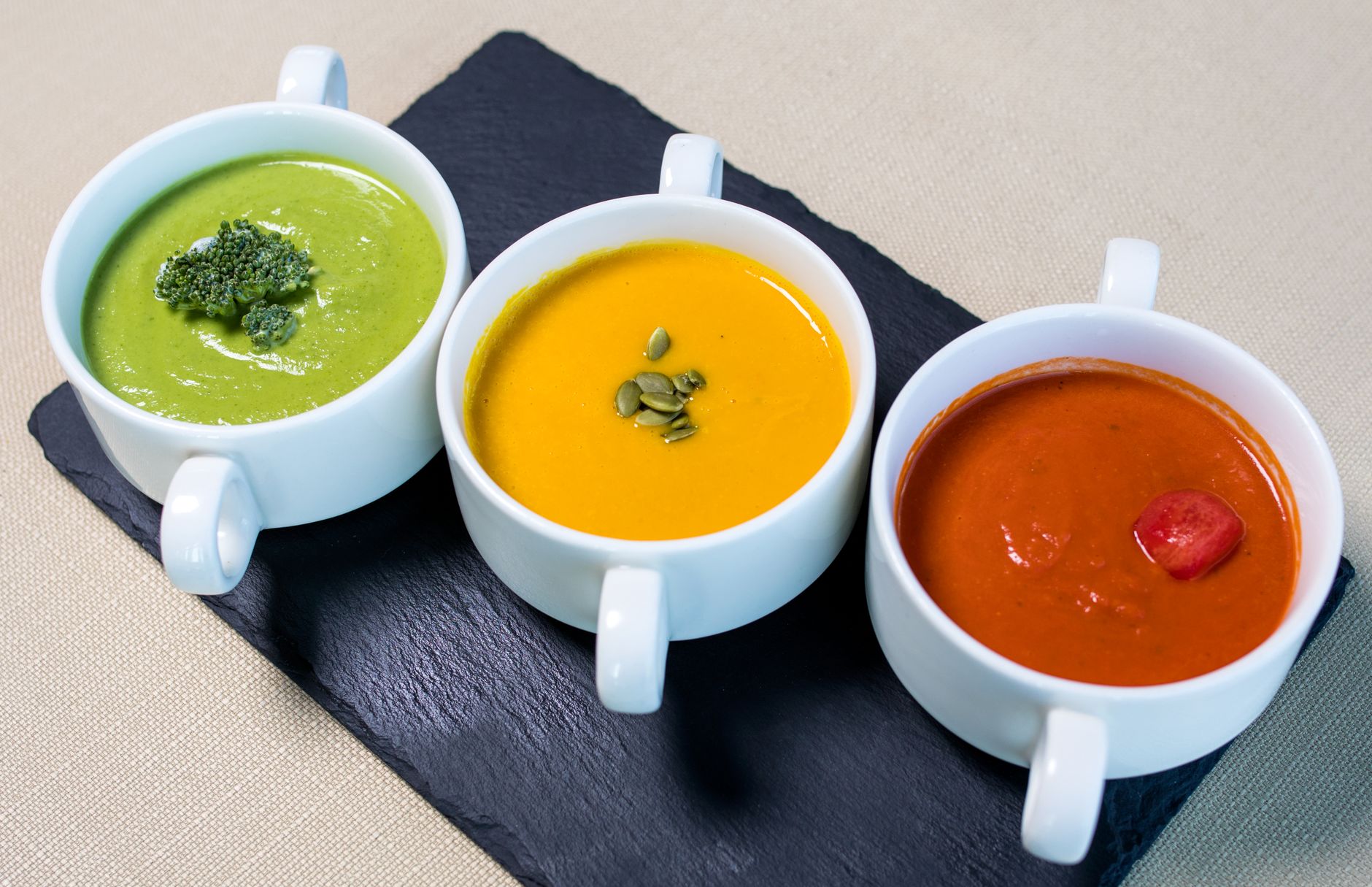
Having your gallbladder removed, a procedure known as cholecystectomy, can significantly change your dietary approach. Post-surgery, your body requires time to adjust to the absence of the gallbladder, which stores bile used for fat digestion. Understanding what to eat can help manage symptoms and support digestive health during recovery.
This detailed guide will outline what foods are suitable, how to incorporate them into your meals, and tips for maintaining a balanced diet after gallbladder removal.
Gallbladder Removed: What Can I Eat?
After gallbladder surgery, it is essential to focus on a diet low in fat to help your body adapt to new digestive processes. Foods high in fiber, lean proteins, and healthy carbohydrates can support your recovery. Avoiding heavy, greasy foods initially is crucial to minimize digestive discomfort.
Foods to Include in Your Diet
In the weeks following gallbladder removal, consider incorporating the following food types into your diet:
- Lean Proteins: Chicken, turkey, fish, and plant-based proteins like beans and tofu.
- Fruits and Vegetables: Aim for a variety of colorful fruits and slightly cooked vegetables to support digestion.
- Whole Grains: Brown rice, quinoa, whole grain bread, and oats can provide necessary fiber.
- Low-Fat Dairy: Yogurt, skim milk, and low-fat cheese can be good sources of calcium and protein without too much fat.
- Healthy Fats: Nuts, seeds, and avocados should be consumed in moderation as your body adjusts.
Typical Eating Patterns After Gallbladder Removal
While different individuals may have varying tolerances to certain foods, a general eating approach can include numerous smaller meals throughout the day. This can help in managing overall digestion and can minimize post-meal discomfort.
Sample Meal Plan
Here’s a sample meal plan to illustrate how to structure your meals:
- Breakfast: Oatmeal topped with banana slices and a sprinkle of cinnamon.
- Snack: A small serving of low-fat yogurt with honey.
- Lunch: Grilled chicken salad with mixed greens, cherry tomatoes, cucumbers, and a light vinaigrette.
- Snack: A piece of fruit, like an apple or pear.
- Dinner: Baked salmon with quinoa and steamed broccoli.
- Evening Snack: A few almonds or a rice cake.
Foods to Avoid
While your body adapts post-surgery, certain foods may cause digestive upset and should generally be avoided:
- High-Fat Foods: Fried or greasy foods can lead to discomfort and should be limited.
- Spicy Foods: They may irritate your digestive system, especially initially.
- Processed Foods: Sugary or overly processed snacks can be hard to digest and should be avoided when possible.
- Caffeinated Beverages: Coffee and some sodas can stimulate the stomach and should be limited.
- Alcohol: It may interfere with digestion and should be avoided during recovery.
Understanding Fats After Gallbladder Removal
Though it’s essential to limit fats in your diet after gallbladder removal, not all fats are created equal. Healthy fats can still be part of your diet in moderation. Here’s how to approach fats:
Types of Fats
There are four main types of fats found in food:
- Saturated Fats: Found in red meat, full-fat dairy, and some oils, these should be limited.
- Trans Fats: Present in many processed foods, avoid them as much as possible.
- Monounsaturated Fats: Found in olive oil, avocados, and nuts, these are healthier and can be consumed in moderation.
- Polyunsaturated Fats: Found in fatty fish, flaxseeds, and walnuts, these are beneficial for heart health.
How to Incorporate Healthy Fats
To incorporate healthy fats without overwhelming your system, aim for small amounts. For example:
- Add a teaspoon of olive oil to your mixed salad.
- Include a quarter of an avocado on your toast.
- Sprinkle a few nuts over your oatmeal or yogurt.
Importance of Hydration
Staying hydrated is just as crucial as food intake. Drink plenty of water throughout the day to support digestive health and overall well-being.
Hydration Tips
- Aim for at least 8-10 cups of water daily.
- Incorporate hydration foods such as cucumbers, watermelons, and oranges.
- Limit beverages that can lead to dehydration, like caffeine and alcohol.
Managing Symptoms
Post-surgery, some individuals may experience digestive issues, such as bloating, gas, or diarrhea. Paying attention to your diet can be key to managing these symptoms effectively.
Food Intolerances
Following surgery, some people develop temporary food intolerances. Keeping a food diary can help identify foods that cause discomfort.
When to Seek Help
If you experience severe pain, prolonged diarrhea, or any other concerning symptoms, consult your healthcare provider for guidance, as individual recovery can vary widely.
Tips for Cooking and Meal Prep
Cooking and meal prepping can simplify your dietary changes. Here are a few practical cooking tips:
Cooking Techniques
- Steaming: A great way to cook vegetables while retaining nutrients.
- Baking: Opt for baked dishes instead of fried for a healthier approach.
- Grilling: This method adds flavor without extra fats.
Meal Prep Ideas
Preparing meals ahead can save time and help you maintain a healthy diet.
- Batch-cook brown rice or quinoa for easy side dishes.
- Grill chicken or fish in advance and store them in portioned containers.
- Prepare a variety of chopped vegetables and store them for salads or snacks.
Smart Shopping Tips
Understanding how to navigate the grocery store can significantly help in maintaining a healthy diet.
Shopping for Healthy Foods
- Focus on the perimeter of the store where fresh produce, meats, and dairy typically reside.
- Read labels and look for low-fat or no added sugars in processed foods.
- Consider seasonal fruits and vegetables for cost savings and freshness.
Cooking at Home vs. Eating Out
Cooking at home allows for better control of ingredients. However, if dining out, here are some suggestions:
Dining Out Tips
- Opt for grilled, steamed, or baked items rather than fried.
- Choose dishes that emphasize vegetables and lean proteins.
- Request dressings or sauces on the side to control fat intake.
Reintroducing Foods Gradually
As time passes and your body adjusts, you may want to reintroduce certain foods into your diet. This should be done gradually and with caution.
How to Reintroduce Foods
- Start with small portions of one new food at a time.
- Wait at least a couple of days before adding another new food.
- Track any symptoms in your food diary to identify potential triggers.
Possible Complications
Although most people adjust well after surgery, being aware of some possible complications can be beneficial. Potential issues include:
- **Diarrhea**: Particularly after fatty meals; manage with dietary adjustments.
- **Bloating/Gas**: Can occur from certain fiber-rich foods or types of carbohydrates.
- **Nutritional Deficiencies**: Ensure you are meeting your nutrient needs, especially in vitamins A, D, E, and K that are fat-soluble.
Long-Term Dietary Considerations
Over time, you may find that your dietary needs evolve. Adjust accordingly while ensuring that you maintain a varied and balanced diet.
Incorporating Variety
Including a wide range of foods in your diet can help provide all necessary nutrients, making meal planning both enjoyable and healthy.
Consulting with a Dietitian
For personalized guidance, consider consulting a registered dietitian. They can help create meal plans tailored to your preferences and requirements.
A gallbladder removal can significantly affect your eating habits, but with careful food choices and meal planning, you can live a fulfilling, healthy lifestyle. Focus on lean proteins, whole grains, healthy fats, and hydration as part of your recovery process. Start with a practical meal plan, embrace cooking at home, and enjoy discovering new foods that keep you feeling great.
Next, explore related recipes and cooking tips, including our Chia Pudding Recipe and Almond Flour Bread Recipe for healthy meal options!