
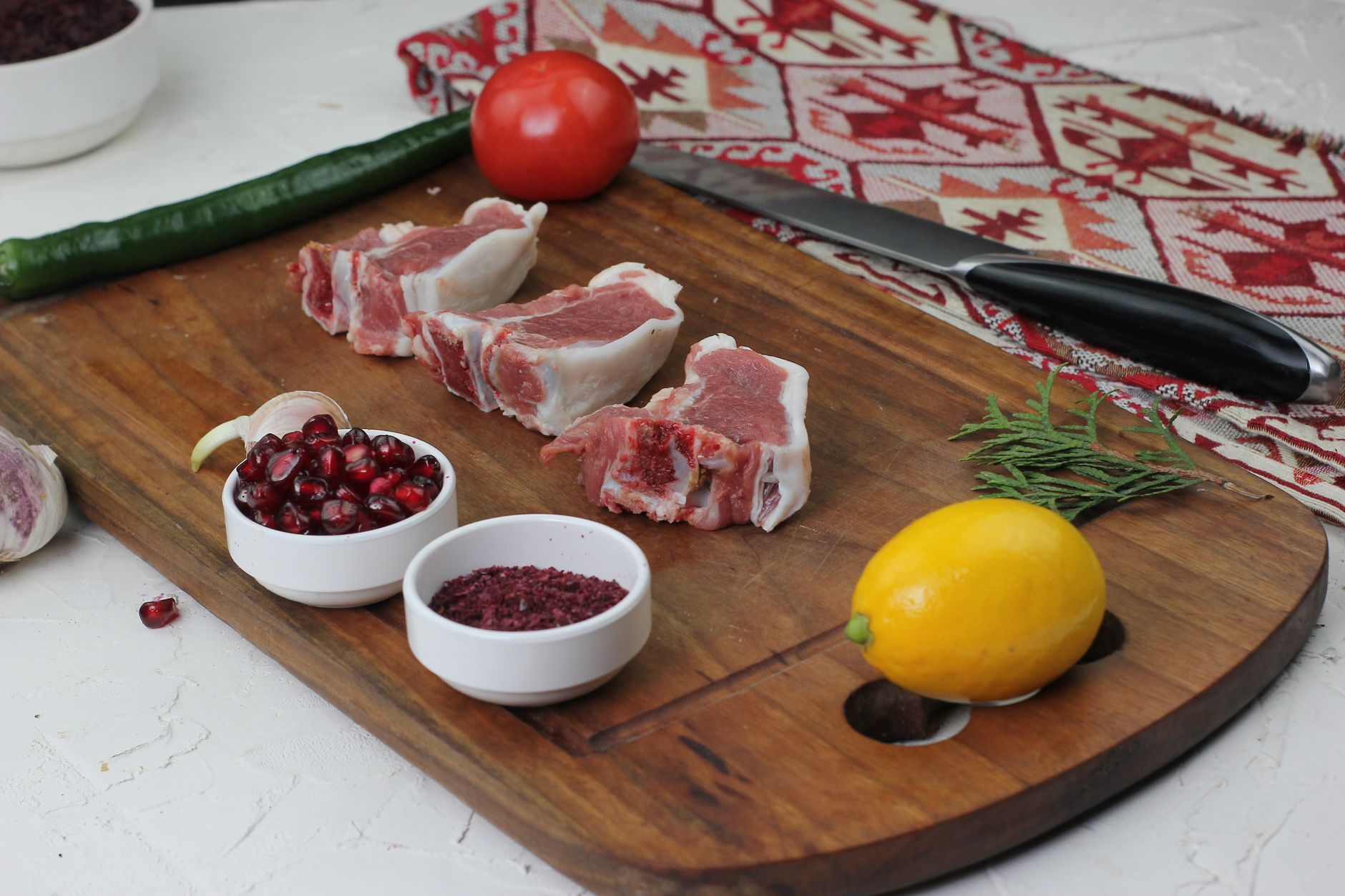
Lamb is a delightful and versatile meat sourced from young sheep. Its distinct flavor and tenderness set it apart, making it a popular choice in various cuisines around the world. This article will explore everything to know about lamb, from cuts and cooking methods to serving ideas and tips for selecting the best meat.
Whether you’re a seasoned cook or exploring new ingredients, understanding lamb will enhance your culinary repertoire. Let’s dive right into what lamb is, how to prepare it, and its uses in kitchen applications.
What Meat Is Lamb?
Lamb refers specifically to the meat obtained from sheep that are less than one year old. The meat is typically milder, more delicate, and more tender than that of older sheep, known as mutton. Given its unique flavor profile, lamb is enjoyed in various dishes worldwide, from classic roasts to stews and kebabs.
Types of Lamb Cuts
Understanding the different cuts of lamb helps in selecting the right one for your dish. Here’s an overview of common lamb cuts:
- Lamb Chops: These come from the rib, loin, or shoulder and are often grilled, baked, or pan-seared. They are tender and ideal for quick cooking methods.
- Lamb Rack: This cut includes a series of rib bones and is usually roasted whole. It offers impressive presentation and rich flavor.
- Lamb Leg: Whether whole or cut into steaks, the leg is versatile and well-suited for roasting, braising, or stewing. Whole lamb legs often serve as the centerpiece for special occasions.
- Lamb Shoulder: A flavorful and slightly tougher cut, the shoulder is perfect for slow cooking methods like braising or stewing, resulting in tender meat that falls off the bone.
- Ground Lamb: Made from trimmings and less tender cuts, it’s great for making burgers, meatballs, or kebabs.
- Lamb Shanks: The lower leg of the lamb, shanks are ideal for braising. Cooking this cut slowly yields flavorful, tender meat.
Flavor Profile and Culinary Uses
The flavor of lamb is distinctive, with a rich and slightly gamey taste that varies based on the lamb’s diet and age. Generally, it holds a savory profile with subtle sweetness. Here are a few popular lamb dishes that highlight its culinary versatility:
- Lamb Gyros: Thinly sliced lamb meat served in pita bread with vegetables and tzatziki sauce.
- Lamb Curry: A spiced dish with chunks of lamb simmered in a fragrant sauce, often served with rice or naan.
- Roast Lamb: Seasoned and slow-roasted, often served with mint sauce and vegetables for a classic meal.
- Shepherd’s Pie: A savory pie made with ground lamb and topped with mashed potatoes.
- Lamb Kebabs: Skewered and grilled, these are marinated pieces of lamb often served with dipping sauces.
Selecting and Preparing Lamb
Choosing Quality Lamb
When selecting lamb, look for the following qualities:
- Color: Fresh lamb should have a light pink to red color. Pale or brownish hues may suggest age.
- Fat: Look for white, firm fat. Some marbling in lean cuts is ideal for flavor and tenderness.
- Smell: Fresh lamb should have a clean and meaty aroma, without off-putting scents.
Preparing Lamb
Before cooking, it’s crucial to prepare lamb correctly to enhance its flavor and tenderness. Here are a few essential steps:
- Trimming: Remove excess fat, especially from cuts like shoulder or leg. Leaving a small layer helps in maintaining moisture while cooking.
- Marinating: Allowing lamb to marinate enhances its flavor. A simple marinade of garlic, herbs, olive oil, and lemon juice works beautifully.
- Resting: After cooking, let the lamb rest for 5-10 minutes before cutting. This helps redistribute the juices, ensuring juicy meat.
Cooking Techniques for Lamb
Various cooking methods suit lamb’s unique characteristics. Here’s a summary of popular techniques:
Grilling
Grilling adds a smoky flavor to lamb, perfect for chops and kebabs. Ensure a hot grill to achieve a good sear, then cook until the desired doneness, often medium-rare.
Roasting
Whole cuts like lamb leg or rack benefit from roasting. Season generously, and roast in a preheated oven. Use a meat thermometer to help achieve the preferred temperature.
Braising
This slow-cooking technique is ideal for tougher cuts like shoulder or shanks. Brown the meat first, then simmer it in a flavorful liquid until tender, typically for several hours.
Stewing
Perfect for ground lamb or shoulder, stewing involves cooking the meat in a broth with vegetables and spices. This method enhances flavor and yields a comforting dish.
Serving Suggestions
Lamb can be served in numerous ways, depending on the cut and preparation method. Here are a few serving ideas:
- With Mint Sauce: A classic accompaniment, mint sauce cuts through the richness of the lamb.
- On a Bed of Couscous: Fluffy couscous pairs well with lamb stews or chops, providing a delightful texture contrast.
- With Seasonal Vegetables: Roasted or grilled seasonal veggies complement the savory flavor of lamb.
- In Tacos or Wraps: Shredded lamb works well in wraps or as a taco filling with fresh toppings.
Common Mistakes to Avoid
Cooking lamb can be tricky, especially for those unfamiliar with it. Here are some common mistakes to watch out for:
- Overcooking: Lamb is best served medium-rare. Use a meat thermometer to check doneness.
- Neglecting Seasoning: Don’t skip seasoning; lamb benefits from robust herbs and spices.
- Not Resting: Always let lamb rest post-cooking. Skipping this step could lead to dry meat.
Storage and Reheating
Proper storage and reheating of lamb are essential for food safety and maintaining quality.
Storage
Store fresh lamb in its original packaging in the coldest part of the refrigerator for up to three days. If you don’t plan to use it immediately, it can be frozen for up to six months. Wrap it tightly in freezer-safe packaging for best results.
Reheating
When reheating lamb, do so gently to avoid drying it out. Use the oven at low temperatures, or reheat on the stovetop in a little broth or sauce. Ensure it reaches an internal temperature of 165°F (74°C) for safety.
Libations to Pair with Lamb
Pairing lamb with the right drink can enhance the overall meal experience. Here are some great pairing ideas:
- Red Wine: A full-bodied red wine, like Cabernet Sauvignon or Syrah, pairs wonderfully with lamb.
- Beer: A rich stout or brown ale complements the meat’s flavor, while a crisp ale can provide a refreshing contrast.
- Non-Alcoholic: Pomegranate juice or a yogurt-based drink can be excellent non-alcohol options that accompany lamb dishes beautifully.
Exploring Global Lamb Dishes
Lamb features prominently in many cultures, each adding its distinct twist. Here’s a glance at some globally inspired dishes:
- Middle Eastern: Dishes like Mandi, a spiced rice dish with lamb, show the depth of flavors in Middle Eastern cuisine.
- Indian: Rogan Josh, a rich lamb curry, showcases the use of aromatic spices.
- Greek: Lamb souvlaki or moussaka reflects the influence of Mediterranean cooking techniques.
Making Lamb Part of Your Meal Plan
Lamb can be an exciting addition to your meal planning. Here are a few tips to include lamb in your weekly menu:
- Batch Cooking: Prepare larger portions of stews or meatballs for freezing and quick future meals.
- Ingredient Overlap: Use commonly found ingredients like potatoes, carrots, and herbs across dishes to minimize wastage.
- Themed Nights: Dedicate one night each week to explore a different cuisine featuring lamb, such as Greek, Indian, or Middle Eastern.
Experimenting with lamb can introduce delightful flavors to your meals and broaden your culinary skills. If you’re eager to start cooking with lamb, check out our recipes, including lamb ribs and ground lamb dishes.