
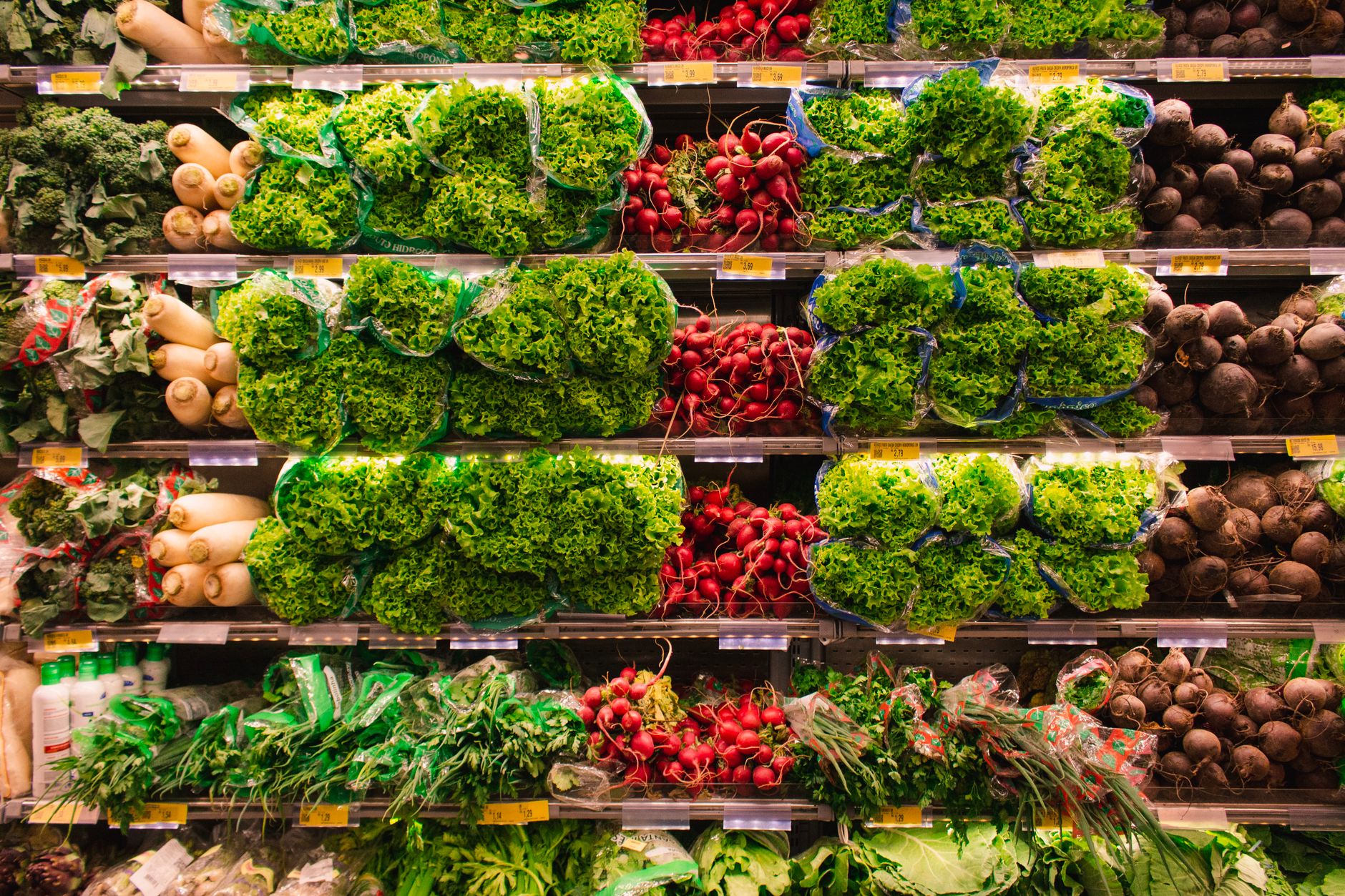
As we become increasingly aware of the importance of food safety, knowing which kinds of lettuce are safe to eat at any given time is essential. Lettuce, a staple in salads, sandwiches, and various dishes, can sometimes be associated with foodborne illness. This article will discuss the types of lettuce that are currently safe to eat, how to handle and store them properly, and tips for identifying quality lettuce.
With the rise of food safety concerns due to recalls and outbreaks, it is crucial to stay informed about the types of lettuce that are less prone to contamination. Whether you are planning a fresh salad or seeking to add crunch to your meals, understanding the safety of different lettuce varieties will help you make nourishing choices without compromising your health.
What Kind of Lettuce Is Safe to Eat Right Now?
Currently, varieties of lettuce that are safe to eat include romaine, leaf, butterhead, and iceberg lettuce, provided they come from reputable sources and have not been associated with recent recalls. It’s important to wash all types before consumption, regardless of their source. Checking safety alerts and buying from trusted suppliers can further guarantee their safety.
The Types of Lettuce and Their Safety
Lettuce varieties can vary in texture, flavor, and appearance. Below, we explore the most common types and whether they can be considered safe for consumption.
Romaine Lettuce
Romaine lettuce is known for its crisp leaves and slightly sweet flavor. It is ideal for salads, sandwiches, and wraps. Currently, the safety of romaine lettuce can vary by source. Always check for recent recalls related to romaine and ensure it is sourced from a safe supplier.
Leaf Lettuce
Leaf lettuce, which includes both green and red leaf varieties, has a tender texture and a mild taste. It is versatile for salads or as a garnish. Like romaine, it should be washed thoroughly and can be consumed safely if sourced from a trusted provider without recent recall notifications.
Butterhead Lettuce
Butterhead lettuce, known for its soft, buttery leaves, is perfect for salads and as a topping for burgers. This variety, including Boston and Bibb, is typically safe as well, given that it comes from reputable sources and has been washed before consumption.
Iceberg Lettuce
Iceberg lettuce is recognized for its crisp texture and mild flavor. This classic salad staple is usually safe to eat, especially if it is fresh and stored correctly. While it does not have the same nutritional density as darker leafy greens, it remains popular for its crunch and versatility.
Understanding Foodborne Illnesses Associated with Lettuce
Foodborne illnesses caused by contaminated lettuce are often linked to bacteria such as E. coli, Salmonella, and Listeria. These pathogens can lead to serious health issues, so understanding their sources can help mitigate risks.
Common Sources of Contamination
- Contaminated Water: Irrigation practices using contaminated water can lead to surface contamination of lettuce.
- Soil: Pathogens present in the soil can also contaminate crops, especially if there is manure use without proper composting.
- Human Handling: Personal hygiene and safe food handling practices are crucial in preventing contamination at the handling point.
Recalls and Safety Alerts
It is vital to remain vigilant about lettuce recalls issued by health organizations. Regularly checking the latest food safety alerts from organizations such as the Centers for Disease Control and Prevention (CDC) or the Food and Drug Administration (FDA) can help you stay informed about which lettuce varieties are currently safe to consume.
Best Practices for Handling and Storing Lettuce
To ensure maximum safety and freshness, follow these handling and storage techniques:
Washing Lettuce
Regardless of the type and brand, washing lettuce thoroughly under cold running water removes dirt and some bacteria. Use a produce brush to scrub the leaves gently, particularly if they are bunched tightly together.
Storing Lettuce
Proper storage extends the shelf life of lettuce while keeping it fresh:
- Store lettuce in the crisper drawer of the refrigerator, ideally in a perforated plastic bag or a container that allows airflow.
- Keep lettuce away from ethylene-producing fruits, such as apples and bananas, as they can cause wilting.
- Consume washed lettuce within five to seven days for optimal freshness.
Identifying Quality Lettuce
When purchasing lettuce, look for the following indicators to ensure you are choosing high-quality produce:
Freshness Indicators
- Leaf Color: Fresh lettuce should have vibrant, rich colors with no signs of yellowing.
- Texture: Leaves should be crisp and free of any significant bruises or damage.
- Odor: Fresh lettuce typically has a subtle, fresh aroma. A foul odor may indicate spoilage.
Where to Buy Safe Lettuce
To minimize risk, consider buying lettuce from local farmers’ markets, grocery stores with reliable food safety practices, or trusted online retailers. Local sources might give you a clearer idea about freshness and handling practices than larger supermarket chains.
What to Do If You Suspect Lettuce Contamination
If you suspect that your lettuce is contaminated, follow these guidelines to ensure safety:
Signs of Spoilage
If lettuce has a slimy texture, off smell, or significant discoloration, it should be discarded immediately. Do not wash the lettuce to try to revive it, as this may spread any bacteria present.
Reporting Issues
If you feel you have purchased contaminated lettuce that has made you unwell, consider reporting it to your local health department. This allows authorities to track contamination sources and issue public warnings if necessary.
Delicious Ways to Use Safe Lettuce
Aside from salads, there are numerous creative preparations for incorporating safe lettuce into your meals. Here are some ideas:
Fresh Salads
Create varied salads by mixing different lettuce types with veggies, nuts, grains, or proteins. A seasonal salad featuring fresh vegetables can be a delight!
Wraps and Sandwiches
Use large lettuce leaves as a low-carb alternative to bread for wraps or sandwiches—perfect for a quick lunch. Butterhead or romaine makes excellent wrappers.
Grilled Lettuce
Interestingly, grilling lettuce lightly enhances its flavor. Romaine and iceberg are great candidates for this. Simply apply a touch of olive oil and grill for a few minutes on each side.
Planning and Preparing Meals with Lettuce
For meal-prepping enthusiasts, lettuce can play a key role:
Batch Meal Preparation
When meal prepping, consider washing and cutting lettuce ahead of time. Store it in the crisper drawer as mentioned above.
Meal Ideas with Ingredients Overlap
Planning meals around similar ingredients can save time. For example:
- Prepare a large salad with grilled chicken, veggies, and a homemade vinaigrette for various meals.
- Use leftover chicken in wraps the following day for lunch.
- Incorporate diced lettuce into cooked dishes like stir-fries for added nutrition.
Common Mistakes When Handling Lettuce
Here are a few pitfalls to avoid when dealing with lettuce:
Not Washing the Lettuce
Even pre-washed lettuce should be rinsed again at home to ensure any potential contaminants are removed.
Improper Storage
Keeping lettuce in the wrong storage conditions can lead to spoilage. Make sure to utilize the crisper drawer and not leave it out at room temperature.
Forgetting to Check for Recalls
Regularly check for any food safety recalls concerning lettuce to avoid potential health risks. Stay informed through official channels.
Summary of Safe Lettuce Practices
In summary, safe lettuce consumption hinges on understanding which varieties are less likely to be contaminated, along with proper handling and storage methods. Always wash before consumption, keep an eye on recalls, and ensure that your source of lettuce is reputable.
For a practical next step, consider preparing a fresh spring salad with the safe lettuce varieties discussed, or explore a recipe for wilted lettuce for a tasty twist on a classic dish. This can elevate your meal planning and add delicious variety to your dinner table.
Explore more delicious ideas like a wilted lettuce recipe or a refreshing spring salad recipe to keep your meals engaging and safe.