
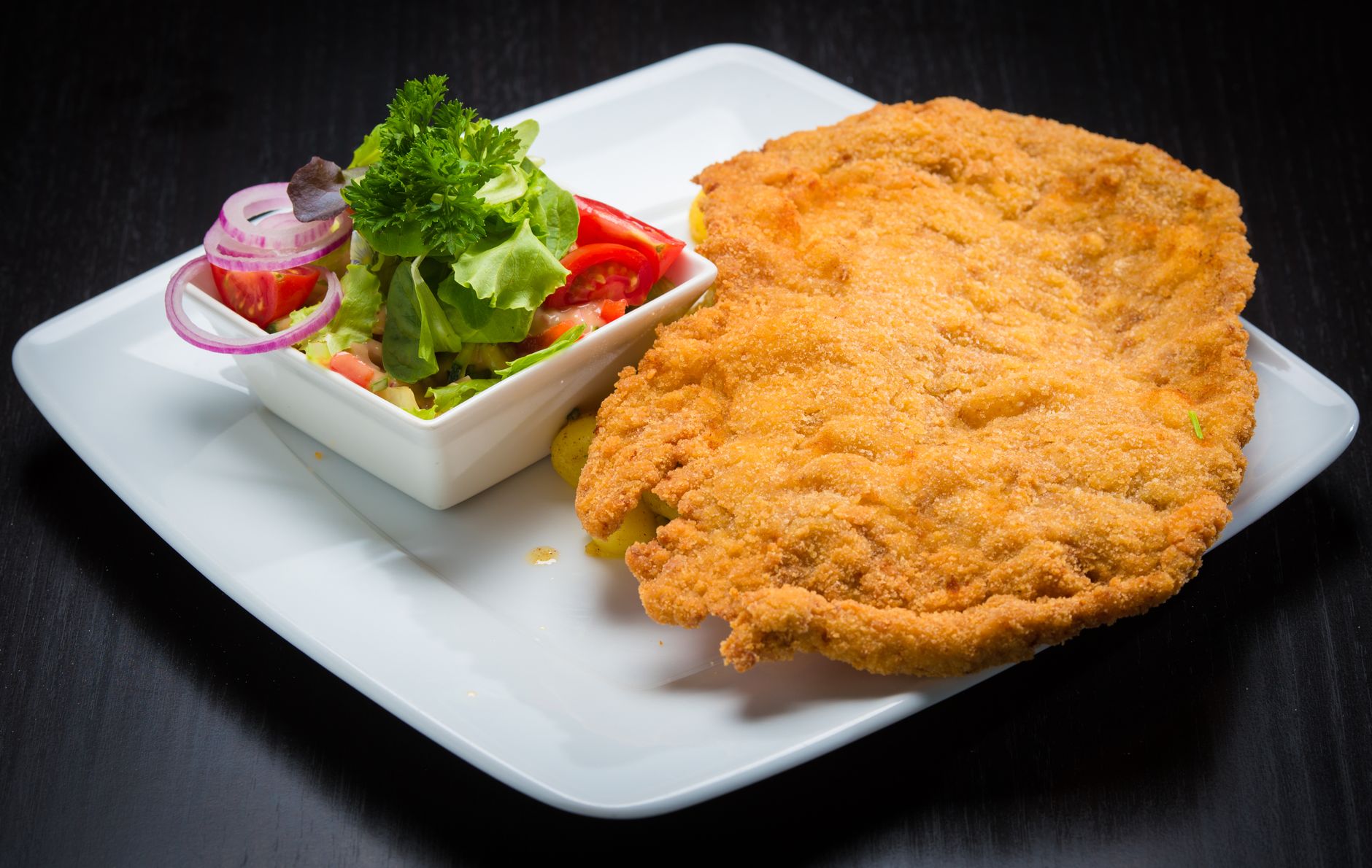
Veal food refers to dishes made primarily with meat from young cattle, known as veal. This type of meat is prized for its delicate flavor and tenderness, offering a different culinary experience compared to beef. In this article, we will explore the various aspects of veal food, including its ingredients, flavor profile, cooking techniques, and how to serve it for various occasions.
The delicate flavor and tender texture of veal make it a versatile ingredient in a variety of cuisines. With a range of cuts available, each with its own unique characteristics, veal can be used in a multitude of dishes, from classic Italian recipes to modern interpretations. Understanding the nuances of veal will help you incorporate it effectively into your cooking repertoire.
What Is Veal Food?
Veal food encompasses a wide array of dishes that utilize veal as the primary protein source. Just like beef, veal can be prepared in numerous ways including grilling, roasting, braising, and sautéing, and it pairs well with various flavors and ingredients. Typical cuts of veal include veal chops, veal cutlets, and veal shanks.
Ingredients Used in Veal Dishes
Veal is often paired with other ingredients to enhance its flavor and texture. Here are some common ingredients used in veal preparations:
- Herbs: Fresh herbs such as thyme, rosemary, and parsley complement veal’s subtle flavor.
- Vegetables: Carrots, onions, and garlic are commonly used in sauces or as accompaniments.
- White wine:Used for deglazing pans and adding complexity to sauces.
- Broths: Veal broth or stock can intensify flavor profiles in soups and stews.
- Dressings and marinades: Lemon juice, balsamic vinegar, and various spices amplify the taste of the meat.
Flavor Profile of Veal
The flavor of veal is generally milder than that of older beef, and it has a subtle sweetness that sets it apart. The tenderness of veal is attributed to the age of the animal, as younger calves produce softer meat. Additionally, the method of feeding (often milk-based for veal) contributes to its unique flavor. When cooked properly, veal maintains a juicy texture with a slightly refined taste that pairs well with rich sauces or light accompaniments.
Popular Cuts of Veal
Understanding the different cuts of veal can help you choose the right type for your dishes. Here are some popular options:
- Veal Chops: These are bone-in cuts that offer excellent flavor. They can be grilled, roasted, or pan-seared.
- Veal Cutlets: Thin slices of veal, often used for breading or sautéing. They cook quickly and are perfect for dishes like veal Parmesan.
- Veal Shanks: These cuts are best for braising and stewing, as they become tender over long cooking times and are commonly used in osso buco.
- Veal Tenderloin: This is one of the most tender parts of the animal. It is ideal for quick cooking methods like roasting or grilling.
How to Cook Veal
Cooking veal requires some attention to ensure that it remains tender and juicy. Here are several common cooking methods along with tips for each:
Grilling
Grilling veal enhances its natural flavor and creates a delightful char. Here’s how to grill veal:
- Choose a chop or cutlet and marinate for about 30 minutes to enhance flavor.
- Preheat the grill to medium-high heat.
- Cook the veal for 3-5 minutes on each side, depending on the thickness. Use a meat thermometer to check for doneness (145°F or 63°C for medium-rare).
- Let it rest for a few minutes before serving to allow juices to redistribute.
Braising
Braising is perfect for tougher cuts like shanks. It involves slow cooking in liquid to achieve tenderness:
- Season and brown the veal in a heavy pot over medium heat.
- Add aromatics like onions, garlic, and herbs.
- Pour in broth or wine, ensuring the meat is partially submerged.
- Cover and simmer on low heat for 1.5 to 2 hours, or until the veal is fork-tender.
Sautéing
Sautéing is ideal for cutlets and allows for quick cooking:
- Flatten the cutlets with a meat mallet for even cooking.
- Coat lightly with flour, seasoning with salt and pepper.
- Heat oil or butter in a pan over medium-high heat.
- Add the cutlet, cooking for about 2-3 minutes per side until golden brown.
Oven Roasting
Roasting works well for larger cuts, providing a crispy exterior:
- Preheat the oven to 375°F (190°C).
- Season the veal and place it on a roasting pan.
- Roast until the internal temperature reaches 145°F (63°C).
- Rest before slicing to maintain juiciness.
Common Mistakes When Cooking Veal
Cooking veal can be straightforward, but some common pitfalls could affect the final result. Here are a few mistakes to avoid:
- Overcooking: Due to its lower fat content, veal can dry out if overcooked. Using a meat thermometer can help ensure optimal doneness.
- Neglecting to rest: Not allowing the meat to rest after cooking can result in lost juices. It’s essential to let it sit for a few minutes.
- Skipping marination: Veal benefits from marinating to enhance its flavor. Simple marinades can elevate the taste significantly.
Serving Suggestions for Veal Dishes
Serving veal can be versatile based on the occasion. Here are a few ways to present veal dishes:
Classic Pairings
Consider traditional pairings, which often include:
- Pasta: Veal can complement pasta dishes, such as lasagna or spaghetti, offering an Italian flair.
- Vegetable Medleys: Roasted or sautéed seasonal vegetables make excellent companions that add freshness and color to the plate.
- Rich Sauces: Veal dishes often benefit from sauces like mushroom cream, tomato-based sauces, or even a reduction sauce.
Modern Presentations
To create a more contemporary dining experience, consider:
- Plate garnishes: Fresh herbs or edible flowers can enhance the visual appeal of your dish.
- Experimental sides: Try pairing veal with quinoa or polenta for a unique twist.
- Wine pairings: White wines, such as Chardonnay or Pinot Grigio, often pair well with veal, enhancing the overall dining experience.
Meal Planning with Veal
Integrating veal into your meal planning can add variety and sophistication to your menus. Here are tips for effectively meal prepping with veal:
- Batch Cooking: Cook larger portions of braised veal to store and serve throughout the week. Braised dishes tend to taste even better the next day.
- Ingredient Overlap: Use shared ingredients across multiple dishes to minimize waste, such as herbs or vegetables used in different preparations.
- Time-Saving Ideas: Pre-cut and marinate veal portions ahead of time, so they are ready to cook when needed.
Storage and Reheating Veal Dishes
Proper storage and reheating practices are crucial to maintaining the quality of veal dishes:
- Storage: Refrigerate leftover cooked veal in airtight containers for up to three days. For longer storage, freeze portions for up to three months.
- Reheating: To reheat, place veal in a skillet over low heat with a little broth or water to retain moisture. Alternatively, use an oven set at a low temperature to warm through gradually.
Conclusion
Veal food offers a luxurious option for those looking to explore different flavors and textures in their culinary creations. Its versatility and refined taste enable imaginative dishes suitable for any occasion. Whether preparing a simple dinner or a special feast, veal can elevate your meal experience significantly.
For specific recipes and ideas, consider checking out our veal piccata recipe or explore the flavors of chicken saltimbocca to inspire your cooking.