
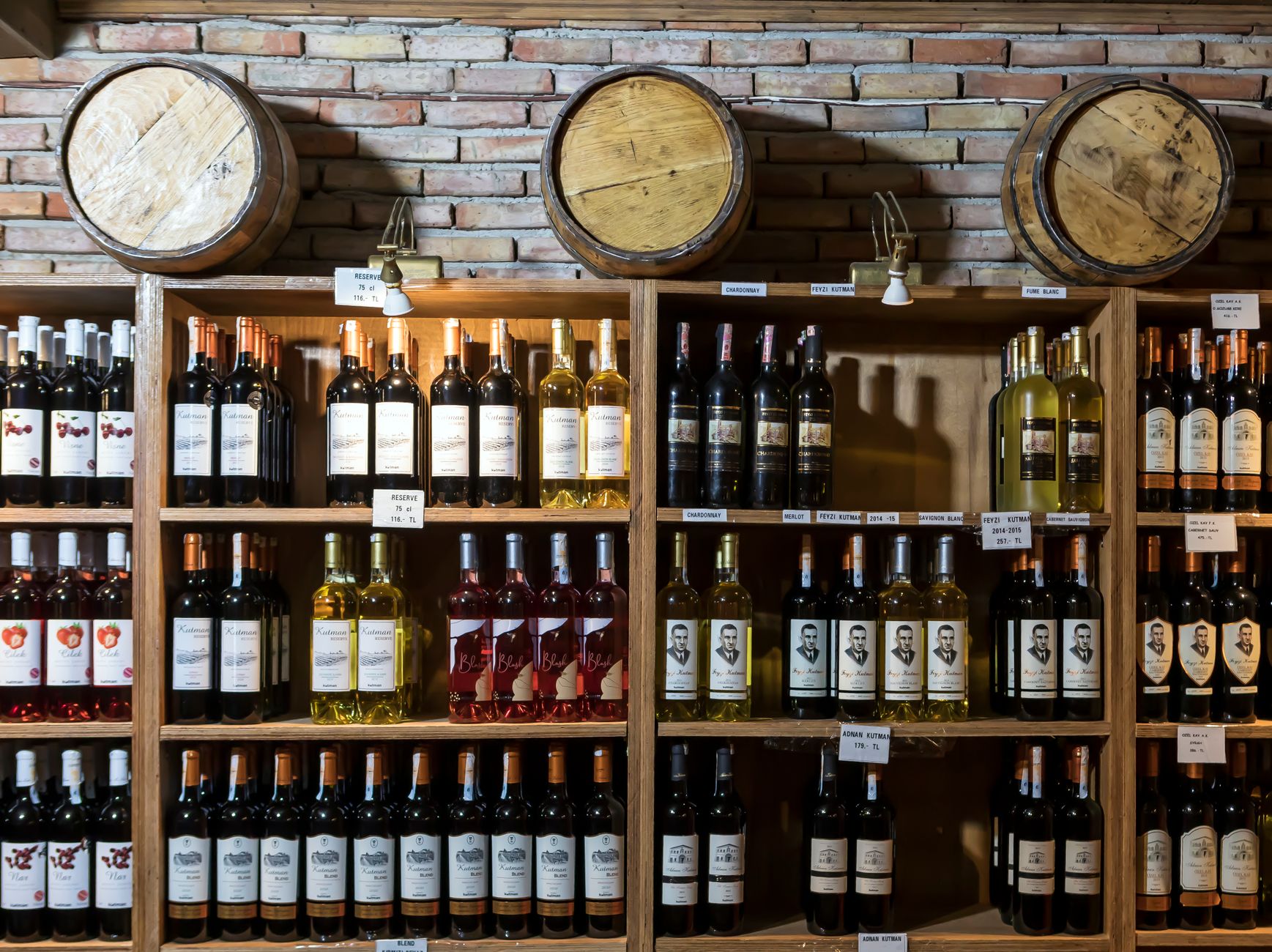
Fortified wine is often a topic of fascination for wine enthusiasts and novice drinkers alike. Essentially, fortified wines are those that have had a distilled spirit, usually brandy, added during fermentation. This process enhances the wine’s alcohol content and can influence its flavor, making it an interesting choice for cooking and pairing with various foods.
Understanding fortified wine can elevate your culinary experiences, whether you are preparing a meal, crafting a cocktail, or simply enjoying a glass. This article will take you through the origins, types, uses, and culinary significance of fortified wines.
What Does Fortified Wine Mean?
Fortified wine refers to a style of wine that has had a distilled spirit added to it, typically to increase its alcohol content and enhance its flavor profile. This addition alters the fermentation process, resulting in a wine that is richer, sweeter, and has a higher shelf stability than standard table wines.
The Origins of Fortified Wine
The origins of fortified wine can be traced back as early as the 15th century. It is believed that merchants in Portugal and Spain began adding brandy to wine as a means to preserve it during long sea voyages. This practice not only helped in stabilization but also introduced new flavors to the wine, creating a distinct product that would later gain popularity throughout Europe.
Regions like Jerez (Sherry), Porto (Port), and Douro (a region in Portugal) became famous for their unique styles of fortified wines. Each area developed specific methods of production, giving fortified wines diverse flavor profiles that reflect their origins.
Types of Fortified Wine
Several types of fortified wines are available, each with unique characteristics and culinary uses.
Sherry
Sherry is a fortified wine from the Andalusian region of Spain, known for its diverse range from dry to sweet. The two main styles are Fino, a dry type, and Pedro Ximénez, a sweet variety. Sherry is often used in cooking, particularly in sauces and marinades, due to its complex flavors.
Port
Port is a sweet, red fortified wine produced in the Douro Valley of Portugal. It’s most commonly enjoyed as a dessert wine and can also be used in various recipes, including chocolate desserts and savory dishes.
Marsala
Marsala is a fortified wine from Sicily, Italy, with a distinct flavor profile that can range from dry to sweet. It is popularly used in cooking, especially in sauces like the renowned Marsala sauce, which pairs beautifully with chicken or veal.
Madeira
Madeira is another fortified wine from the Madeira Islands, characterized by its rich and robust flavor. It is often used in cooking, particularly in sauces, and can handle intense flavors due to its boldness.
Vermouth
Vermouth is a fortified wine flavored with botanicals, herbs, and spices. It is classified as either sweet or dry and serves as a key ingredient in many classic cocktails, such as the Martini and the Manhattan.
The Benefits of Using Fortified Wine in Cooking
Incorporating fortified wine into your cooking can offer numerous benefits. Here are some advantages:
- Enhanced Flavor: The complex flavors of fortified wine can add depth and richness to dishes, elevating standard recipes.
- Versatility: Fortified wines can be used in both savory and sweet dishes, making them a versatile addition to your culinary repertoire.
- Alcohol Content: The higher alcohol content in fortified wines helps balance intense flavors and enhances the final dish.
- Preservation: Fortified wines have a longer shelf life than regular wines, making them an excellent pantry staple.
Cooking with Fortified Wine: Tips and Techniques
When cooking with fortified wines, consider the following tips and techniques to maximize their potential.
Selecting the Right Fortified Wine
The choice of fortified wine can significantly impact the final flavor of your dish. Always consider the taste profile of the wine and how it will complement the ingredients in your recipe.
Cooking Techniques
Fortified wines can be used in various cooking applications, such as deglazing, marinades, and sauces. Here are some popular techniques:
- Deglazing: After sautéing meat or vegetables, you can use fortified wine to deglaze your pan, scraping up the brown bits and adding depth to the dish.
- Marinades: Incorporating fortified wine into marinades can enhance the flavor of meats and vegetables.
- Reduction: Reducing fortified wine in a sauce can intensify its flavor and create a rich, velvety texture.
Common Mistakes When Cooking with Fortified Wine
While using fortified wine can elevate your dishes, there are common mistakes to avoid.
- Using the Wrong Type: Each fortified wine has distinct flavors; using the wrong type can overpower a dish.
- Overusing: A little goes a long way; too much can make the dish overly alcoholic or sweet.
- Neglecting to Pair: Fortified wine should complement the dish; consider flavor profiles to ensure a harmonious balance.
Storage and Shelf Life of Fortified Wine
Fortified wines are noted for their longevity; however, proper storage is crucial to maintaining their quality.
Storage Tips
- Keep in a cool, dark place away from direct sunlight.
- Once opened, fortified wines can last several weeks to months, depending on the type, but should be consumed within a reasonable time frame for optimal flavor.
- Ensure the cork is securely in place after use to minimize oxidation.
Fortified Wine and Food Pairings
Understanding how to pair fortified wine with food can enhance your overall dining experience.
Sherry Pairings
- Fino goes well with seafood, tapas, and light appetizers.
- PX pairs beautifully with chocolate desserts and rich cheese.
Port Pairings
- Ruby Port complements chocolate, blue cheese, and berry desserts.
- Tawny Port matches well with nuts, dried fruits, and caramel desserts.
Marsala Pairings
- Dry Marsala is fantastic with savory dishes, while sweet Marsala works well with cream-based desserts.
Madeira Pairings
- Madeira complements roasted meats, creamy cheeses, and rich desserts.
Vermouth Pairings
- Sweet vermouth pairs well with hearty dishes, while dry vermouth complements seafood and salads.
Recipes Featuring Fortified Wine
Using fortified wine can inspire your culinary creativity. Below are some classic recipes that feature fortified wine.
Marsala Sauce
This rich sauce brings a savory and sweet balance to chicken and veal dishes.
- Yield: 2 cups
- Preparation Time: 10 minutes
- Cooking Time: 15 minutes
- Total Time: 25 minutes
Ingredients:
- 1 cup Marsala wine
- 2 cups chicken stock
- 2 tablespoons unsalted butter
- 1 shallot, minced
- Salt and pepper to taste
Method:
- In a saucepan, melt the butter over medium heat. Add shallots and sauté until translucent.
- Pour in the Marsala wine, and let it simmer for about 5 minutes to reduce slightly.
- Add the chicken stock, season with salt and pepper, and simmer for another 10 minutes until thickened.
Black Manhattan
A sophisticated cocktail that highlights the flavors of vermouth.
- Yield: 1 cocktail
- Preparation Time: 5 minutes
Ingredients:
- 2 ounces rye whiskey
- 1 ounce sweet vermouth
- 2 dashes Angostura bitters
- 1 dash orange bitters
- Ice
- Maraschino cherry for garnish
Method:
- In a mixing glass, combine the rye whiskey, sweet vermouth, and bitters.
- Fill the mixing glass with ice and stir until well chilled.
- Strain into a chilled glass and garnish with a maraschino cherry.
Next Steps in Your Culinary Journey
Now that you have a deeper understanding of fortified wines, consider experimenting with them in your cooking or enjoying them in a thoughtful pairing with food. Their diverse flavors can elevate both simple and elaborate meals, enhancing your dining experience.
For more exciting culinary ideas, explore our Marsala Sauce Recipe for a delicious dish featuring fortified wine or check out our Black Manhattan Recipe for a sophisticated cocktail.