
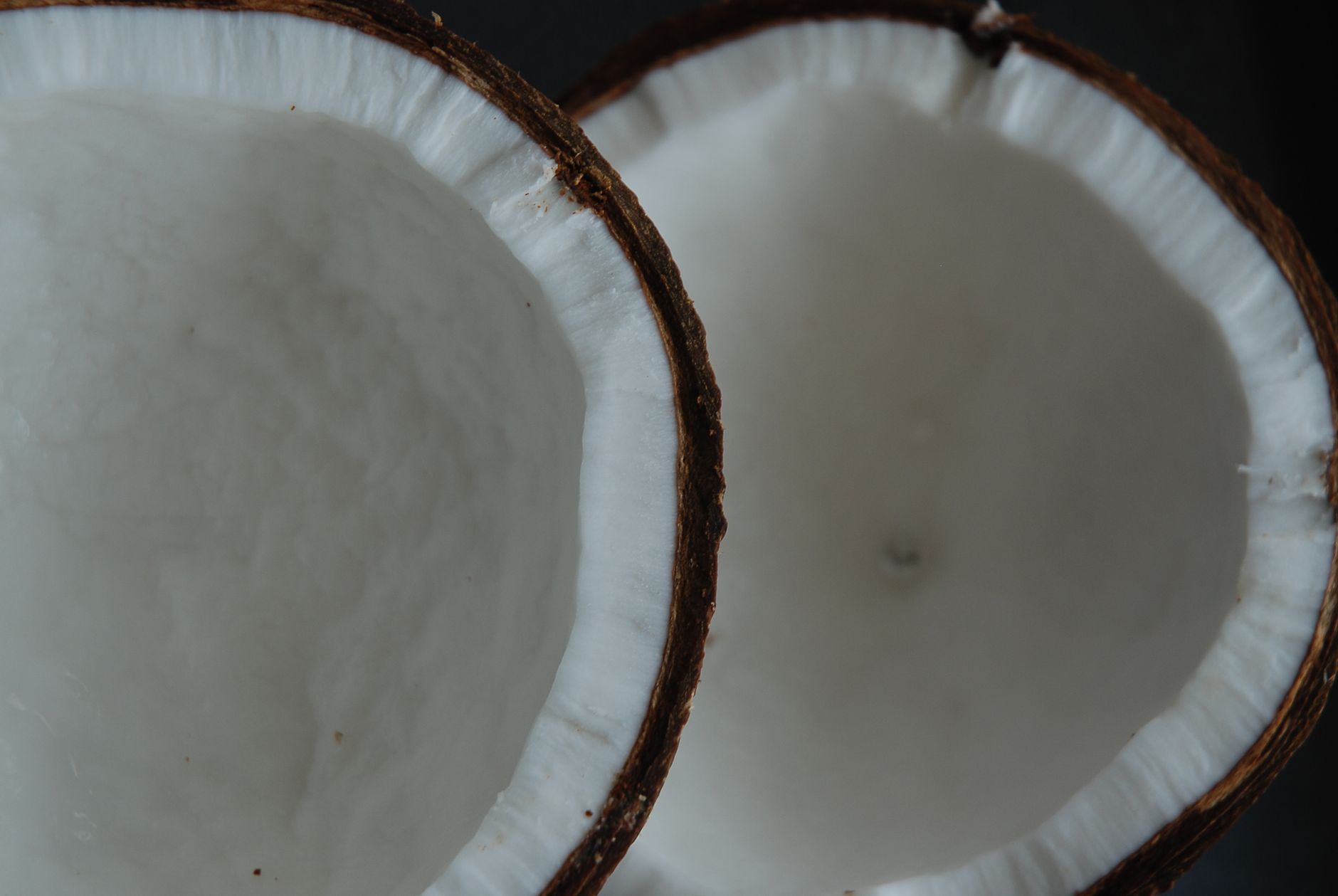
The coconut, a beloved tropical fruit known for its versatile uses and unique flavor, often raises the question: do coconuts have seeds? Understanding the structure of coconuts can enhance your appreciation for this ingredient, whether you’re using it in cooking, baking, or tropical beverages.
Coconuts are indeed seeds, fruits, and nuts, all rolled into one. This article will explore coconuts’ botanical classification, culinary applications, and various uses, along with serving ideas to inspire your next culinary adventure.
Do Coconuts Have Seeds?
Yes, coconuts have seeds. Botanically classified as a drupe, the coconut’s hard outer shell encases the seed, which is responsible for propagating new coconut plants. This structure allows coconuts to thrive in coastal regions and even float on water, aiding in their distribution.
Botanical Classification of Coconuts
Coconuts belong to the family Arecaceae, commonly known as the palm family. The specific scientific name for the coconut palm is Cocos nucifera. In botanical terms, a drupe is a fruit with an outer fleshy part surrounding a shell (the pit or stone) with a seed inside. With this classification, the coconut fits perfectly as its fibrous husk and hard shell encompass the seed.
Culinary Uses of Coconuts
Coconuts can be enjoyed in many forms—fresh, dried, or as coconut milk or oil. Each form brings a unique flavor and texture, making coconuts a versatile ingredient in various cuisines. Below are some popular culinary uses:
- Fresh Coconut: The translucent, creamy flesh can be enjoyed raw or added to fruit salads, smoothies, and desserts.
- Dried Coconut: Desiccated coconut is frequently used in baking and confections, providing a chewy texture and nutty flavor.
- Coconut Milk and Cream: These are made from blending fresh coconut flesh with water, offering a rich and creamy base for soups, curries, and desserts.
- Coconut Oil: This cooking oil is gaining popularity for its distinct flavor and high smoke point, suitable for frying and baking.
Flavor Profile and Texture of Coconuts
The flavor of coconut is sweet, nutty, and distinctly tropical. The texture varies by form; fresh coconut is crunchy and chewy, dried coconut is fibrous, while coconut milk is smooth and creamy. These characteristics make coconuts a delightful addition to both savory and sweet dishes.
Serving Ideas for Coconuts
Incorporating coconuts into your meals is easy and delicious. Here are several serving ideas that highlight this tropical ingredient:
1. In Smoothies
Add fresh or frozen coconut meat to smoothies for a creamy texture and tropical flavor. Combine with bananas, spinach, and a splash of coconut water for an energizing breakfast boost.
2. In Curries
Coconut milk is a staple in many Asian and Caribbean curries. Use it as a base for a hearty vegetable or seafood curry, providing richness and balancing spices.
3. In Puddings
Prepare coconut rice pudding or chia seed pudding using coconut milk to infuse a tropical essence. Top with fresh fruit for added flavor.
4. In Baking
Incorporate shredded coconut into cookies, cakes, or muffins for added moisture and flavor. Coconut macaroons are a classic treat that highlights coconut’s natural sweetness.
5. In Salads
Add shredded coconut to leafy green salads or grain bowls for crunch and a hint of sweetness. Combine with mango, avocado, and citrus for a refreshing summer salad.
Equipment for Preparing Coconuts
Some basic equipment can make working with coconuts easier:
- Coconut Opener: A specialized tool can make it simple to break the hard shell.
- Sharp Knife: A good knife is essential for cutting fresh coconut meat from the shell.
- Grater: Use a box grater or food processor to shred coconut flesh for baking.
- Blender: An essential tool for making coconut milk or cream.
Common Mistakes When Using Coconuts
Here are some pitfalls to avoid when cooking or baking with coconuts:
- Using Old Coconut: Fresh coconut should have a pleasant aroma. If it smells sour or rancid, it’s best to discard it.
- Ignoring Texture: Be cautious when substituting fresh coconut in recipes that call for dried or shredded coconut, as moisture content and texture can greatly affect the final product.
- Overmixing Coconut in Baked Goods: Excessive mixing can lead to dense texture. Mix only until combined when adding coconut to batters.
Storing Coconuts
Proper storage can improve the freshness and shelf life of coconuts:
- Whole Coconuts: Store whole, unbroken coconuts at room temperature for up to a month or in the fridge for a slightly longer duration.
- Fresh Coconut Meat: Once opened, store the meat in an airtight container in the refrigerator for up to five days. For longer storage, freeze it for up to six months.
- Dried Coconut: Keep shredded or desiccated coconut in a cool and dry place, preferably in an airtight container, for up to a year.
- Coconut Milk/Cream: Refrigerate opened cans or cartons and use within a week. Unopened containers can be stored in the pantry until the expiration date.
Health Benefits of Coconut
Coconuts are more than just delicious; they also offer nutritional benefits. While moderation is key, coconuts contain:
- Healthy Fats: Coconut meat is high in medium-chain triglycerides (MCTs), which may provide quick energy and benefit heart health when consumed in moderation.
- Fiber: The meat is a good source of dietary fiber that supports digestive health.
- Vitamins and Minerals: Coconuts provide various nutrients, including manganese, copper, and potassium.
Substitutions for Coconuts
If you find yourself without coconuts or need to avoid them due to allergies, there are suitable substitutions:
- Coconut Milk: Substitute with almond milk or soy milk for a similar liquid consistency, though the flavor will differ.
- Shredded Coconut: Use finely chopped nuts or seeds as a crunchy alternative, keeping in mind the change in flavor.
- Coconut Oil: You can replace it with other oils, such as olive oil or avocado oil, though they will impart different flavors to the dish.
Coconuts Around the World
Coconuts play a significant role in various regional cuisines, from Southeast Asia to the Caribbean. Here’s how different cultures celebrate this fruit:
1. Southeast Asia
In countries like Thailand and Indonesia, coconut milk is vital in curries, soups, and desserts. Dishes like Tom Kha Gai—a coconut soup—showcase the fruit’s rich flavors.
2. Caribbean
Coconut is abundant in Caribbean cuisine. Dishes such as coconut rice, coconut shrimp, and beverages like piña coladas are popular. It embodies the island’s tropical vibe and richness.
3. South Pacific
In Pacific Islands, coconuts are a staple food source. The flesh, water, and oil are used in traditional meals, while drinks like coconut water are refreshing and hydrating.
Exploring Coconut Recipes
There are countless delightful recipes featuring coconuts. Here are a few to consider:
- Coconut Cookies: A chewy cookie that’s perfect for dessert or snacking.
- Coconut Margarita: A tropical twist on the classic margarita, bringing a refreshing taste to your parties.
Conclusion
Coconuts, as seeds and fruits, have captured the hearts of many through their unique flavor, versatility, and nutritional benefits. Whether using them in sweet or savory dishes, understanding their uses, storage, and preparation can lead to delightful culinary experiences. Next time you’re at the market, consider incorporating more coconuts into your meals for that tropical twist.
For further inspiration, explore related recipes and cooking tips, such as coconut cookies and coconut margaritas, to enhance your culinary repertoire.