
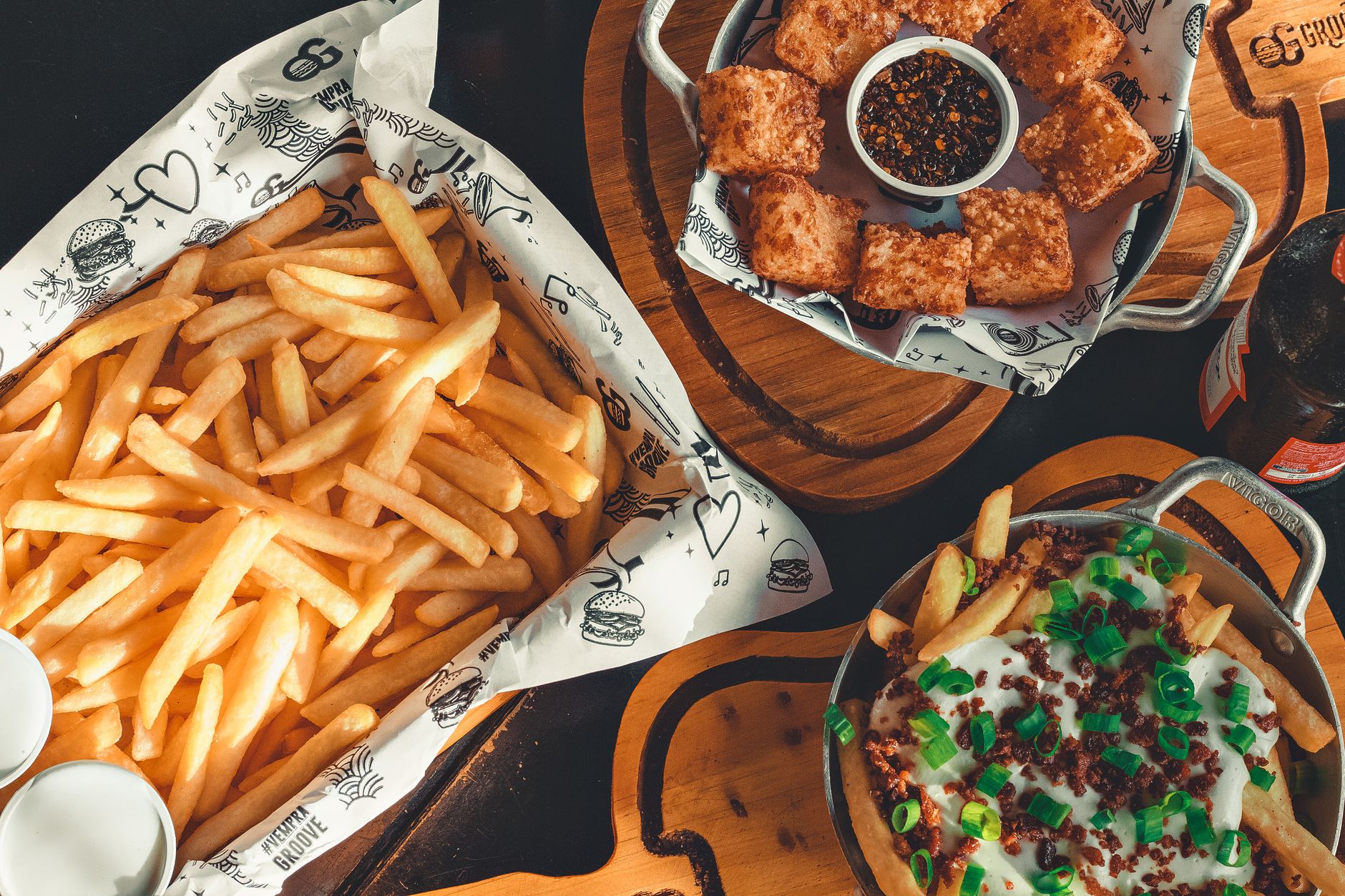
Fast food is a popular choice for quick meals, but the variations in quality, taste, and nutritional value among chains can be stark. Some fast food places have been criticized for their poor food quality, unhealthy options, and questionable customer service. In this article, we’ll explore the factors that contribute to the title of “worst fast food place” and provide insights into what to look for when choosing where to eat.
Identifying the worst fast food place isn’t just about individual opinion; it stems from various factors that include customer reviews, nutritional content, ingredient sourcing, and overall dining experience. Understanding these elements will equip you with the knowledge to make better food choices, whether you’re dining out or just curious.
What Is the Worst Fast Food Place?
Determining the worst fast food place involves considering factors like the quality of food, customer service, cleanliness, and nutritional values. Some chains consistently rank lower in customer satisfaction surveys, while others have been scrutinized for their health impacts and questionable ingredient sourcing. Ultimately, it often comes down to individual experience, but there are definitely leaders in the field when it comes to poor ratings.
Factors Contributing to Poor Ratings in Fast Food
Several key factors can lead to a fast food chain being labeled as the worst. These include:
- Nutritional Value: Many chains serve foods high in calories, sodium, and unhealthy fats.
- Ingredient Quality: The use of low-quality ingredients, artificial flavors, and preservatives can detract from the meal quality.
- Customer Service: Inefficient or rude service can heavily impact customer satisfaction.
- Hygiene and Cleanliness: The cleanliness of restaurants is essential for health and safety.
- Menu Variety and Options: A lack of diverse options can limit customers’ ability to find meals that meet their nutritional needs and preferences.
Customer Feedback and Ratings
In evaluating fast food restaurants, it’s crucial to look at customer feedback and ratings. Surveys by consumer organizations and websites like Yelp, TripAdvisor, and Zagat frequently highlight the most praised and criticized fast food venues. Chains with consistently low scores often become candidates for the title of “worst fast food place.”
The Worst Fast Food Chains: A Closer Look
1. McDonald’s
While McDonald’s is one of the most well-known fast food chains globally, criticisms about their food quality and health implications persist. The high-calorie items, heavy reliance on processed foods, and some poor customer service instances contribute to its lower ratings.
2. Taco Bell
Taco Bell often finds itself on people’s lists of least favorite fast food places, primarily due to the perception of food quality. Though loved for its affordability, concerns such as the use of heavily processed ingredients and high sodium levels have been raised.
3. Burger King
Burger King frequently falls short in customer satisfaction surveys, often cited for inconsistency in service quality and food preparation standards. The perception of unhealthy menu items also plays a role in its ranking.
4. KFC
KFC faces criticism mainly due to health concerns surrounding its fried chicken meals. Customers express dissatisfaction with the oiliness of dishes and have raised questions about food safety practices in certain locations.
5. Subway
Once heralded as a health-conscious option, Subway has seen its reputation decline. Many customers feel that the freshness of the ingredients has deteriorated, and there have been controversies surrounding their meat sourcing.
Health Implications of Poor Quality Fast Food
The impact of fast food on health cannot be overstated. Fast food that is high in unhealthy fats, sugars, and sodium can lead to long-term health issues such as obesity, diabetes, and heart disease. The convenience of fast food must be weighed against its potential risks, prompting consideration of healthier eating alternatives.
Understanding Nutritional Labels
Navigating nutrition labels at fast food restaurants can be daunting. Here’s what to look for:
- Calories: Be aware of the calorie count of meals and consider your dietary requirements.
- Sodium: High sodium levels can lead to health problems, especially for those with cardiovascular issues.
- Sugars: Many fast food items, particularly sauces, may contain excessive added sugars.
- Trans Fats: These are particularly harmful and should be avoided whenever possible.
How to Choose Healthier Fast Food Options
Making healthier choices at fast food establishments doesn’t mean you can’t enjoy a meal out. Here are some tips to help you choose wisely:
- Go for Grilled: Opt for grilled instead of fried options to reduce fat content.
- Watch Portion Sizes: Choose smaller sizes or share meals to avoid excess calories.
- Customize Your Meal: Don’t hesitate to ask for modifications to make a meal healthier, like extra veggies.
- Check for Healthier Options: Many chains now offer salads, fruit, or yogurt as alternatives to fried sides.
Common Mistakes to Avoid
When dining at fast food restaurants, there are several frequent mistakes that patrons can make:
- Ignoring the Nutritional Information: Many chains provide nutritional information; make sure to review it before making choices.
- Upsizing Automatically: Always assess whether you genuinely need a larger portion; it’s often not worth the added calories.
- Skimping on Vegetables: Failing to add veggies to sandwiches or bowls limits nutrition.
Exploring Alternatives to Fast Food
If you’re concerned about the quality of fast food options, numerous healthier alternatives offer convenient meals. Consider the following:
- Food Trucks: Many cities feature food trucks offering fresh, local ingredients.
- Meal Prep Services: These can deliver pre-made meals that use wholesome ingredients right to your door.
- Quick Service Restaurants: Look for chains that focus on fresh, health-conscious meals, such as Chipotle or Panera Bread.
Conclusion
Pinpointing the worst fast food place ultimately requires a combination of personal experience and awareness of broader trends. By understanding the factors involved, including nutrition, customer service, and ingredient quality, you can make more informed dining choices. As consumers become more health-conscious, fast food chains are pressured to improve their offerings.
Next time you’re in the fast food lane, consider healthier alternatives or look into local options to satisfy your cravings without compromising your health. You can begin making better food choices by exploring what fast food restaurants are available and taking a closer look at menus.
For further reading on food choices, check out our guides on the worst fast food place What Is the Worst Fast Food Place? and learn about foods that benefit your gut health by exploring What Foods Have Probiotics?.