
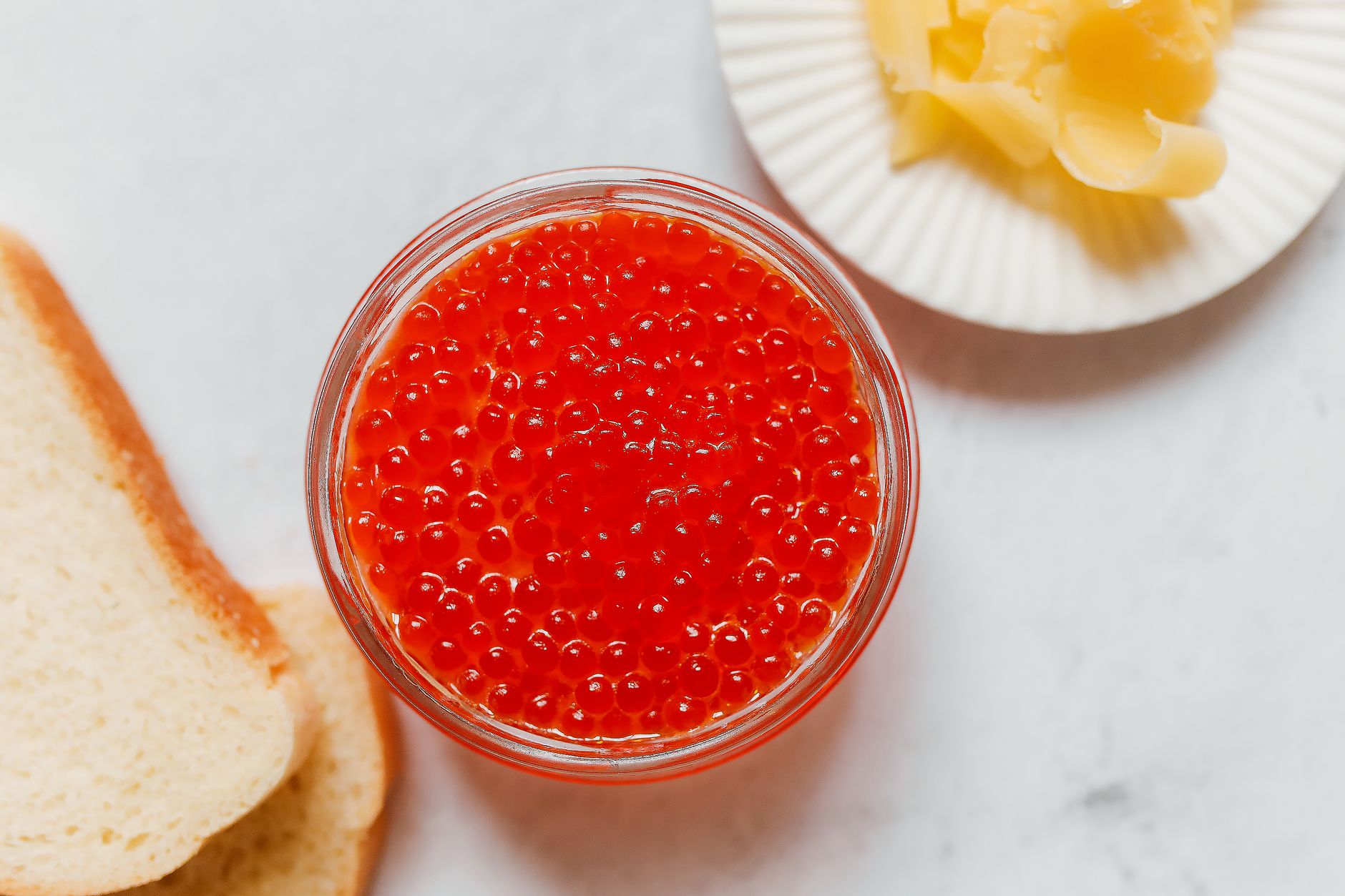
Caviar is a luxurious delicacy that delights many with its unique flavor and texture. However, understanding its shelf life and proper storage methods is crucial to enjoying it at its best. This article will explore how long caviar lasts, including storage times and spoilage signs, so you can make the most of this exquisite food.
Whether you’re a longtime connoisseur or new to caviar, knowing how to preserve its quality is essential. We’ll delve into factors affecting its longevity, different types of caviar, and various guidelines for safe storage.
How Long Does Caviar Last?
The shelf life of caviar varies depending on the type, packaging, and how you store it. Generally, unopened caviar can last for about 4 to 6 weeks in the refrigerator. Once opened, it typically lasts for about 2 to 3 days. However, certain storage practices can extend or reduce its freshness.
Types of Caviar and Their Shelf Life
Caviar comes in several types, primarily categorized by the type of fish from which it’s sourced. Each type has its own unique flavor profile and slightly different storage recommendations:
- Beluga Caviar: Known for its large eggs and rich flavor, Beluga caviar has a shelf life similar to that of other types, lasting 4 to 6 weeks unopened and 2 to 3 days once opened.
- Osetra Caviar: Osetra caviar is smaller than Beluga and has a nutty flavor. It generally follows the same storage guidelines as Beluga.
- Sevruga Caviar: This type has the smallest eggs and a slightly stronger flavor. It also lasts up to 4 to 6 weeks unopened and 2 to 3 days once opened.
- Salmon Caviar: Often easier to find and less expensive, salmon caviar has a similar shelf life of 4 to 6 weeks unopened and about 1 week once opened.
- Other Fish Roe: Caspian and American sturgeons offer other varieties of caviar with similar storage recommendations, though it’s best to check the specific packaging for details.
Factors Affecting Caviar’s Longevity
Several factors can influence how long caviar lasts. Understanding these can help you make better storage choices:
- Packaging: Caviar usually comes in glass jars, tins, or vacuum-sealed packets. Unopened packaging helps preserve freshness. Once opened, exposure to air can speed up spoilage.
- Temperature: Caviar is sensitive to temperature changes. Keeping it consistently cold helps maintain its quality.
- Ingredients: Sometimes, caviar is mixed with preservatives or spices, which can alter its shelf life. Always check the label for specific guidance.
Proper Storage Guidelines for Caviar
To ensure that your caviar stays fresh for as long as possible, follow these storage instructions:
Refrigeration
- Keep unopened caviar in the coldest part of the refrigerator, typically near the back, where temperatures remain stable.
- Once opened, transfer any leftover caviar to a glass container with a tight-fitting lid if the original packaging cannot be resealed.
- Utilize ice packs or a bed of ice in a bowl to maintain a lower temperature if you’re serving caviar at an event.
Freezing Caviar
While freezing is generally not recommended because it can alter the texture and flavor, it is still an option:
- If you choose to freeze caviar, use an airtight container to prevent freezer burn.
- Thaw it slowly in the refrigerator before use. Avoid rapid thawing methods, as they can ruin the eggs.
Signs of Spoilage in Caviar
Even with proper storage, caviar can spoil. Here are several signs of spoilage to watch for:
- Off Odors: Fresh caviar should have a clean, briny aroma. Any sour, rancid, or off-putting smells indicate that the product has gone bad.
- Texture Changes: Quality caviar should have a firm yet slightly soft texture. If the eggs feel mushy or grainy, spoilage may have occurred.
- Color Changes: Look for any discoloration or unusual hues. Fresh caviar will maintain consistent colors according to its type.
- Presence of Gas Bubbles: If your caviar exhibits gas bubbles or expands in its container, it likely contains bacteria and should be discarded.
Serving Tips for Caviar
To truly savor caviar, presentation and serving practices are essential. Here are some recommended tips:
- Use Non-Metal Utensils: Serving caviar with non-metal utensils, ideally mother-of-pearl or plastic, prevents any metallic tastes from altering its flavor.
- Pare Down Accompaniments: Serve caviar with blinis, crackers, or toasted bread. Enhance with accompaniments such as crème fraîche, chopped onions, or chives.
- Chill Before Serving: Ensure caviar is cold before serving. Keeping it on ice helps maintain its desired temperature.
- Small Portions: Serve caviar in small portions to avoid wastage and maintain freshness. A little bit goes a long way.
Conclusion
Understanding how long caviar lasts and how to store it properly ensures you can enjoy its luxurious flavor for as long as possible. Remember that unopened caviar can last up to 6 weeks when stored correctly, while opened caviar usually should be consumed within 2 to 3 days.
If you notice any signs of spoilage, such as off odors, texture changes, or discoloration, it’s best to err on the side of caution and discard it. By following these storage and serving tips, you can elevate your caviar experience while minimizing waste. Enjoy this exquisite delicacy in moderation, and treat it with the respect it deserves.
For insights into other food storage topics, check out how long does cottage cheese last after opening or learn about how long do blueberries last. Each guide provides helpful information to ensure you enjoy your favorite foods safely.