
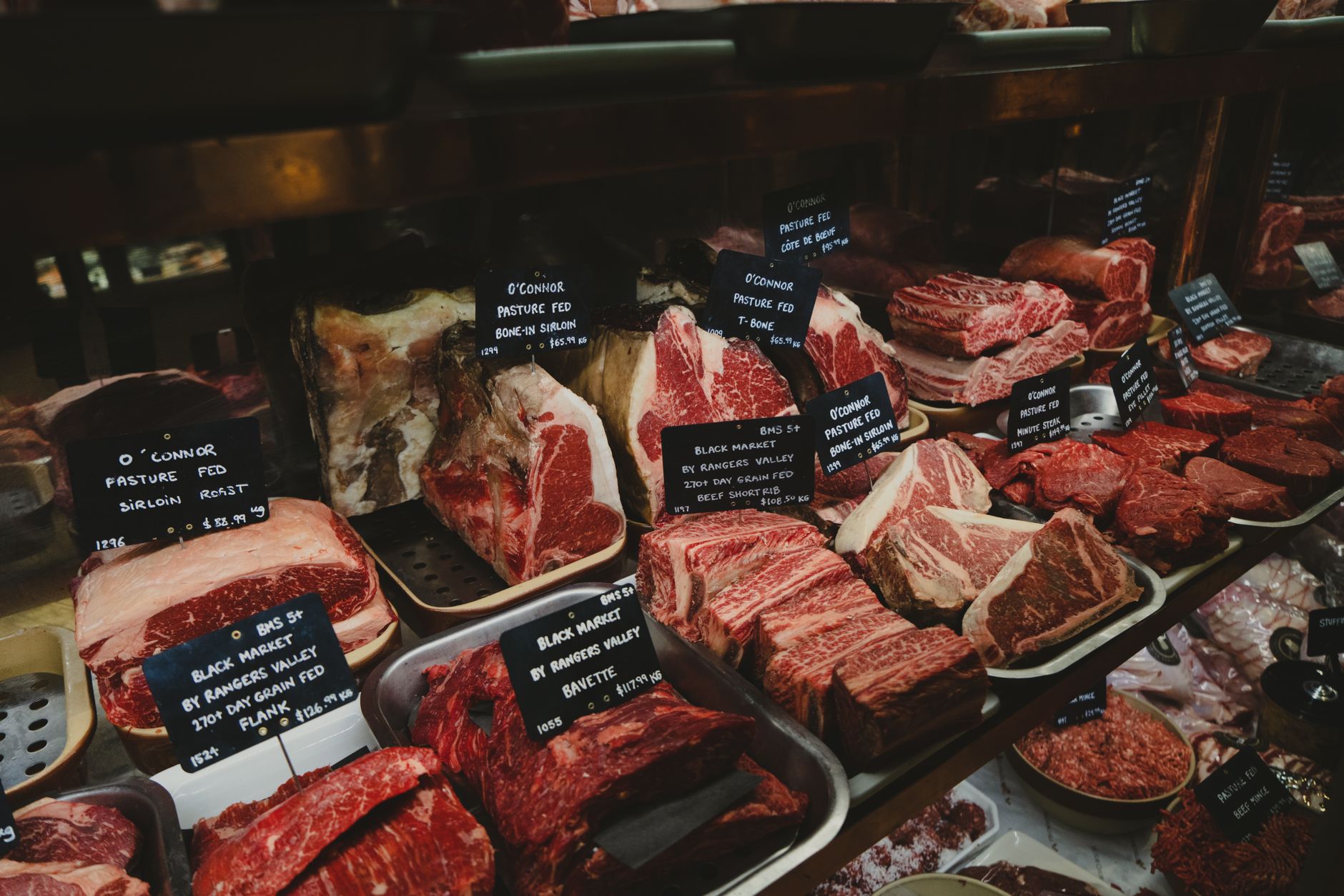
When it comes to red meat, health enthusiasts often debate which cut is the healthiest choice. With various options available, selecting the right type can enhance your diet while providing essential nutrients. This guide will explore the healthiest red meats, their nutritional profiles, and how to include them in your meals.
Many meats—beef, lamb, and pork—fall under the red meat category. However, some cuts are more beneficial than others, depending on your dietary needs. Understanding their nutritional value and the best cooking practices will help you enjoy red meat healthily.
What Is the Healthiest Red Meat?
The healthiest red meat options typically include lean cuts that are lower in saturated fat and higher in essential nutrients like protein, iron, and zinc. Among these, grass-fed beef, bison, and some cuts of lamb are celebrated for their superior nutrient profile and health benefits. Choosing these meats can provide significant advantages over conventional, grain-fed options.
Nutritional Breakdown of Popular Red Meats
To better understand which red meats are healthiest, it’s essential to look at their nutritional compositions. Here’s a breakdown of some of the most popular red meats:
Beef
Beef comes in various cuts, some leaner than others. Ground beef, steaks, and roasts all vary in fat content. Here are some common beef cuts:
- Sirloin: This cut is relatively low in fat and high in protein, making it a great choice for those watching their fat intake.
- Round: Any round cuts (eye of round, top round) are leaner options that provide a healthy dose of iron and zinc.
- Tenderloin: Known for its tenderness, this cut is also on the leaner side, delivering high-quality protein.
In a 3-ounce serving of cooked lean beef, you can expect approximately 26 grams of protein and about 7 grams of total fat.
Bison
Bison, or buffalo meat, is gaining popularity as a healthier alternative to beef. Bison is grass-fed, tends to be leaner than beef, and has a rich flavor. A typical 3-ounce serving of cooked bison contains around:
- 24 grams of protein
- 2 grams of saturated fat
- Iron and vitamin B12
With lower fat and higher nutrient density, bison is an excellent option to consider for your protein sources.
Lamb
Lamb is another red meat that can be healthy when chosen wisely. Look for leaner cuts like:
- Loin chops: Leaner than shoulder cuts and delicious, loin chops are rich in flavor.
- Leg of lamb: When trimmed properly, this cut can offer a good balance of protein and healthy fats.
A 3-ounce serving of cooked lamb chop contains about:
- 25 grams of protein
- 8 grams of fat (depending on the cut)
Although lamb can be higher in fat than beef or bison, its nutrient profile, including omega-3 fatty acids, makes it a worthwhile addition in moderation.
Pork
Pork can also fit into a healthy diet when you choose the right cuts. Some healthier pork options include:
- Pork tenderloin: This cut is one of the leanest and provides about 22 grams of protein in a 3-ounce serving.
- Lean pork chops: When trimmed, these can be a lean choice for protein-packed meals.
A typical 3-ounce serving of cooked pork tenderloin includes around:
- 22 grams of protein
- 3 grams of fat
Pork is also a good source of B vitamins, particularly thiamine, which is essential for metabolic health.
Factors to Consider When Choosing Red Meat
When selecting the healthiest red meat, consider the following factors:
Grass-Fed vs. Grain-Fed
Grass-fed animals typically have a healthier fat profile, containing more omega-3 fatty acids and conjugated linoleic acid (CLA). In contrast, grain-fed animals tend to have higher levels of saturated fats. Whenever possible, choose grass-fed options for improved nutrient density.
Lean Cuts
Opt for leaner cuts, which contain less fat. They are lower in calories and saturated fats but still provide essential nutrients. When shopping, look for terms like “loin” and “round” to identify lean cuts.
Cooking Methods
The way you prepare red meat also affects its healthfulness. Grilling, baking, broiling, and poaching are healthier cooking methods that can reduce added fats. Avoid frying or breading, which can increase calories and unhealthy fat content.
Portion Control for Healthy Meals
When incorporating red meat into your diet, portion control is vital. A standard serving size for red meat is 3 ounces, roughly the size of a deck of cards. Here are some tips for managing your serving sizes:
- Pair red meat with vegetables to fill your plate and provide fiber.
- Use red meat as a side or accent in dishes rather than the main focus.
- Incorporate meatless days into your meal plan to balance your protein sources.
Flavorful Cooking Techniques
Cooking techniques can enhance the taste of red meats while preserving their health benefits. Here are several methods to consider:
Grilling
Grilling infuses meats with a smoky flavor while allowing excess fat to drip away. Brush your grill grates with oil to prevent sticking, and allow your meat to reach room temperature before grilling for even cooking.
Slow Cooking
Slow cooking is an excellent way to tenderize tougher cuts while enhancing flavors. Use a slow cooker or braise your meat on the stovetop or in the oven with your choice of broth or sauce.
Stir-Frying
For quicker meals, stir-frying red meat with vegetables creates a balanced dish rich in flavors. Make sure to cut meat into thin strips to ensure quick, even cooking.
Recipes Featuring Healthy Red Meats
Including red meat in your meals can be delicious and nutritious. Here are some ideas to incorporate healthier cuts into your cooking:
Grilled Sirloin Steak with Veggies
This dish is perfect for a summer barbecue or a healthy weeknight dinner. Grilled sirloin is flavorful and pairs well with roasted or grilled vegetables.
- Ingredients:
- 1 pound sirloin steak
- 2 cups mixed vegetables (bell peppers, zucchini, and onion)
- 2 tablespoons olive oil
- 1 tablespoon balsamic vinegar
- Salt and pepper to taste
- Instructions:
- Preheat the grill to medium-high heat.
- Brush the steak with olive oil and season with salt and pepper.
- Combine vegetables in a bowl, drizzle with olive oil and balsamic vinegar, and season to taste.
- Grill the steak for about 4-5 minutes on each side or until reaching desired doneness.
- Add vegetables to the grill and cook until tender, about 6-8 minutes, turning occasionally.
- Let the steak rest for 5 minutes before slicing, and serve with the grilled veggies.
- Ingredients:
- 1 pound ground bison
- 1 can (15 oz) kidney beans, rinsed and drained
- 1 can (15 oz) diced tomatoes
- 1 onion, chopped
- 2 cloves garlic, minced
- 2 tablespoons chili powder
- 1 tablespoon cumin
- Salt and pepper to taste
- Instructions:
- In a skillet, brown the ground bison over medium heat, breaking it apart.
- Add onion and garlic, cooking until softened, about 3-4 minutes.
- Transfer mixture to a slow cooker, and add beans, tomatoes, chili powder, cumin, salt, and pepper.
- Cook on low for 4-6 hours or high for 2-3 hours.
Slow-Cooked Bison Chili
This hearty chili is perfect for colder months and showcases the rich flavor of bison. It’s high in protein and can be made in large batches for meal prep.
Potential Health Risks Associated with Red Meat
While red meat can be a healthy addition to your diet, moderation is key. Excessive consumption of red meat, particularly processed types, may be linked to increased health risks:
Processed Red Meats
Processed meats (like sausages, hot dogs, and bacon) contain preservatives and are often higher in sodium and unhealthy fats. Research suggests a link between high intake of processed meats and increased risks of certain diseases.
Cooking Methods and Carcinogenic Compounds
High-temperature cooking methods, such as grilling or frying, can create harmful compounds linked to cancer. It’s essential to balance cooking methods with healthy practices, such as marinating meats to reduce harmful substance formation.
Conclusion
When choosing the healthiest red meat, aim for lean cuts that are grass-fed or sourced sustainably. Incorporate a variety of red meats like bison, lean cuts of beef, and lamb into your meals, balancing them with plenty of vegetables. Experiment with different cooking methods to maximize flavor and nutrient retention.
For more information on red meat and its health implications, check out how red meat relates to cancer risk or learn about the flat iron steak to explore various cuts and their unique benefits.