
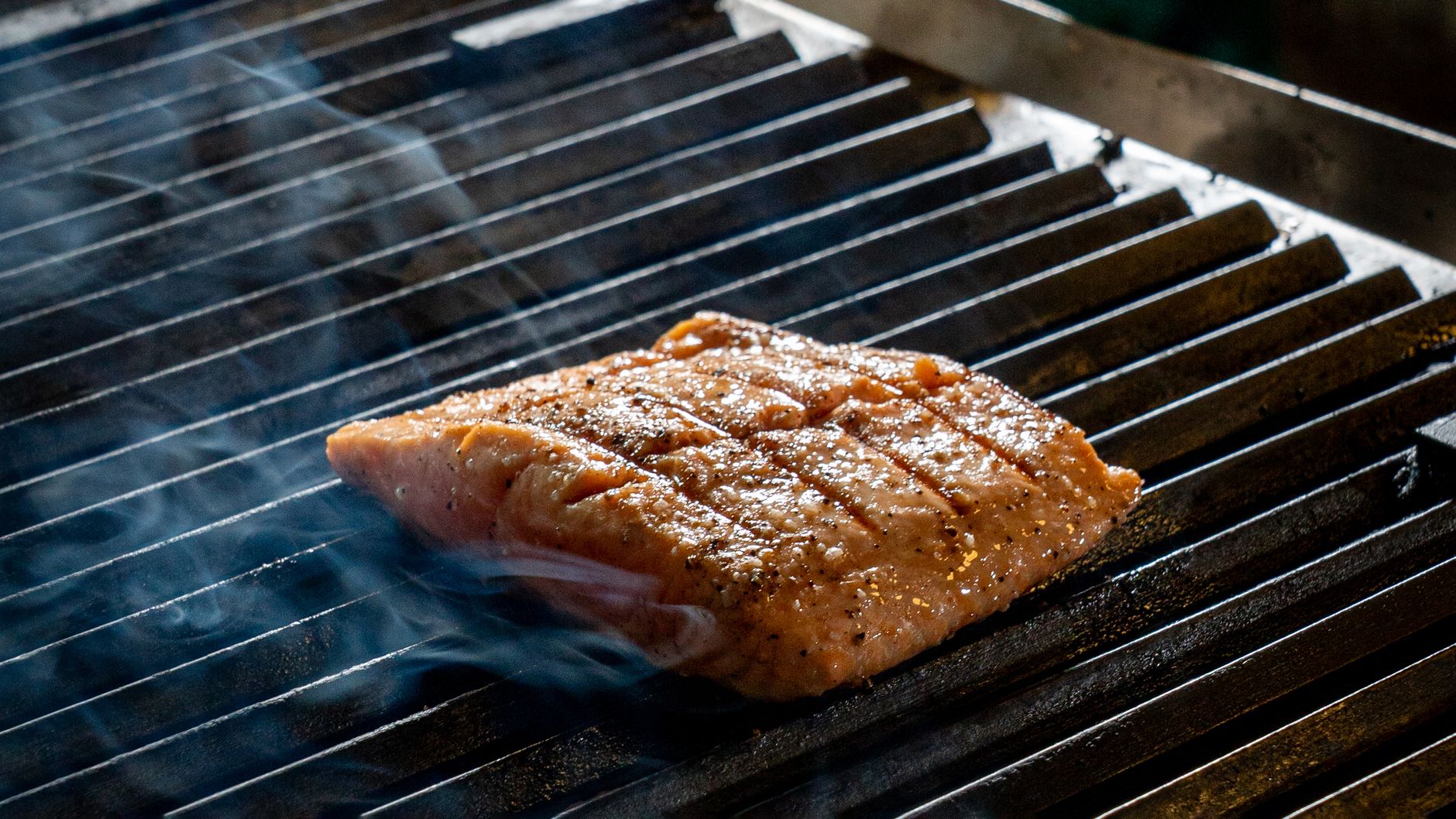
Cooking salmon on the stove is a straightforward process that yields delicious, flaky fish with a crispy skin. This method allows for precise control over the cooking temperature, ensuring the salmon is cooked to perfection. Whether you prefer pan-searing or poaching, mastering these techniques will elevate your weeknight dinners or special occasions.
In this guide, we’ll explore different cooking methods, optimal temperatures, and tips for enhancing flavor. Whether you are preparing a meal for yourself, family, or guests, cooking salmon on the stove can be both quick and rewarding. Let’s dive into the details!
How Do I Cook Salmon on the Stove?
Cooking salmon on the stove can be accomplished through various methods such as pan-searing, poaching, or sautéing. Each technique offers a unique flavor and texture. Here’s how to approach each method, along with valuable tips and serving suggestions.
What You Need to Get Started
Essential Ingredients
- Salmon fillets (about 6 oz per serving)
- Salt (to taste)
- Pepper (to taste)
- Cooking oil (olive oil, canola, or clarified butter)
- Fresh herbs (dill, parsley, or thyme for garnish)
Essential Equipment
- Non-stick skillet or cast-iron pan
- Spatula or fish spatula
- Meat thermometer (for precise cooking)
- Plate (for resting cooked salmon)
Cooking Methods for Salmon
1. Pan-Seared Salmon
Pan-searing is one of the most popular methods for cooking salmon due to its simplicity and flavor-dense results. This method creates a beautiful crust while keeping the inside moist.
Yield
This method typically serves 2 to 4 people, depending on the number of salmon fillets cooked.
Preparation Time
5 minutes
Cooking Time
8-10 minutes
Total Time
15 minutes
Step-by-Step Instructions
- Prepare the Salmon: Pat the salmon fillets dry with paper towels. This helps ensure a crispy skin. Season both sides with salt and pepper.
- Heat the Pan: Place a non-stick skillet or cast-iron pan over medium-high heat. Add 1-2 tablespoons of oil and allow it to heat until shimmering.
- Add the Salmon: Carefully place the salmon fillets skin-side down in the hot skillet. Press down gently with a spatula to ensure contact with the pan.
- Cook the Skin: Cook the salmon undisturbed for about 5-7 minutes, or until the skin is crispy and the salmon is cooked about two-thirds of the way up the side.
- Flip the Salmon: Carefully flip the salmon with a spatula, cooking for an additional 3-5 minutes until the salmon reaches your desired doneness.
- Check Doneness: For perfectly cooked salmon, the internal temperature should be around 125°F for medium-rare or 145°F for well-done. Remove from heat and allow to rest for a couple of minutes.
- Garnish and Serve: Plate the salmon and garnish with fresh herbs and a squeeze of lemon or lime juice before serving.
Common Mistakes to Avoid
One common mistake is to overcrowd the pan; this can lead to steaming rather than searing. Always leave enough space around each fillet to allow even cooking.
2. Poached Salmon
Poaching is a gentle cooking method that yields tender, moist salmon. It is especially useful for those who prefer a lighter, less intense flavor without the added fat of frying.
Yield
This method typically serves 2 to 4 people.
Preparation Time
10 minutes
Cooking Time
10-15 minutes
Total Time
25 minutes
Step-by-Step Instructions
- Prepare the Poaching Liquid: In a skillet, combine enough water or broth to cover the salmon fillets. Add flavoring agents such as lemon slices, herbs, or spices.
- Heat the Liquid: Bring the poaching liquid to a simmer over medium heat. Reduce the heat so that it is only gently bubbling.
- Add the Salmon: Carefully add the salmon fillets to the simmering liquid. Ensure that they are submerged.
- Poach the Salmon: Cook the salmon for about 10-15 minutes, depending on thickness. The salmon will be done when it flakes easily with a fork and is opaque throughout.
- Remove and Serve: Carefully remove the salmon from the poaching liquid using a slotted spatula. Drain excess liquid and serve with a drizzle of olive oil or a homemade sauce.
Flavor Variations
You can change the flavor profile of poached salmon easily by using different poaching liquids, such as wine, vegetable broth, or even coconut milk for a tropical flair.
3. Sautéed Salmon
Sautéing salmon involves cooking it over high heat in a small amount of fat, resulting in a quick, flavorful dish. This method can incorporate various seasonings to suit your taste.
Yield
This method typically serves 2 to 4 people.
Preparation Time
5 minutes
Cooking Time
8 minutes
Total Time
13 minutes
Step-by-Step Instructions
- Prepare the Salmon: As with the pan-searing method, pat the salmon dry and season with salt and pepper.
- Heat a Skillet: Heat a tablespoon of oil in a skillet over medium-high heat. Allow the oil to heat fully.
- Add Aromatics: If desired, add minced garlic or shallots to the oil for flavor, and sauté briefly before adding the salmon.
- Add the Salmon: Place the salmon fillets in the skillet and cook for about 3-4 minutes per side, or until golden brown and cooked to desired doneness.
- Rest and Serve: Remove from the skillet and let the salmon rest for a few minutes before serving.
Serving Suggestions
Sautéed salmon pairs well with a side of sautéed vegetables or a fresh salad. Consider drizzling a balsamic reduction or a homemade herb sauce for added flavor.
Tips for Cooking Salmon on the Stove
Choosing Quality Salmon
Select fresh, vibrant salmon fillets with no off-smells. If opting for frozen salmon, ensure it is properly thawed before cooking. Quality matters, as fresh salmon often provides a better flavor and texture.
Flavor Enhancements
- Marinades: Consider marinating the salmon for 30 minutes before cooking. Use ingredients like soy sauce, ginger, and sesame oil for an Asian-inspired flavor.
- Spices: Experiment with different spices such as paprika, cumin, or chili powder for added depth.
- Herbs: Fresh herbs can elevate the dish. Dill and parsley are classic salmon pairings.
Storage and Reheating Tips
Cooked salmon can be stored in an airtight container in the refrigerator for up to 3 days. Reheat gently in the microwave or in a warm skillet to avoid drying it out.
Use leftover salmon in salads, wraps, or pasta dishes for quick meals throughout the week.
Common Troubleshooting Tips
Fish Sticks to the Pan
If the salmon sticks to the pan, ensure it’s properly heated and use enough oil. A non-stick or cast-iron skillet can help prevent sticking.
Overcooking Salmon
Monitor the cooking time and internal temperature closely. Using a meat thermometer to ensure the fish is cooked but not overcooked will yield better results.
Uneven Cooking
Ensure all fillets are of uniform thickness to ensure even cooking. If using pieces of different sizes, monitor them closely and remove them from the heat as they finish cooking.
Serving Suggestions for Salmon
Salmon is versatile and pairs beautifully with a variety of side dishes. Here are some ideas:
- Quinoa or couscous salad with mixed vegetables
- Steamed broccoli or asparagus with lemon
- Garlic mashed potatoes or sweet potato fries
- Fresh coleslaw or a mixed greens salad with vinaigrette
Don’t forget to drizzle some balsamic reduction or a yogurt dill sauce over the salmon to add a refreshing finish.
Conclusion
Cooking salmon on the stove is both a healthy and delicious choice for any meal. Whether you choose to pan-sear, poach, or sauté, understanding these techniques and tips will lead to perfectly cooked salmon every time. Remember to choose quality ingredients and adjust seasonings to make the dish your own.
Explore more about salmon and related cooking insights by checking out how to tell if salmon is bad or try out a salmon loaf recipe for a twist on this delightful fish.