
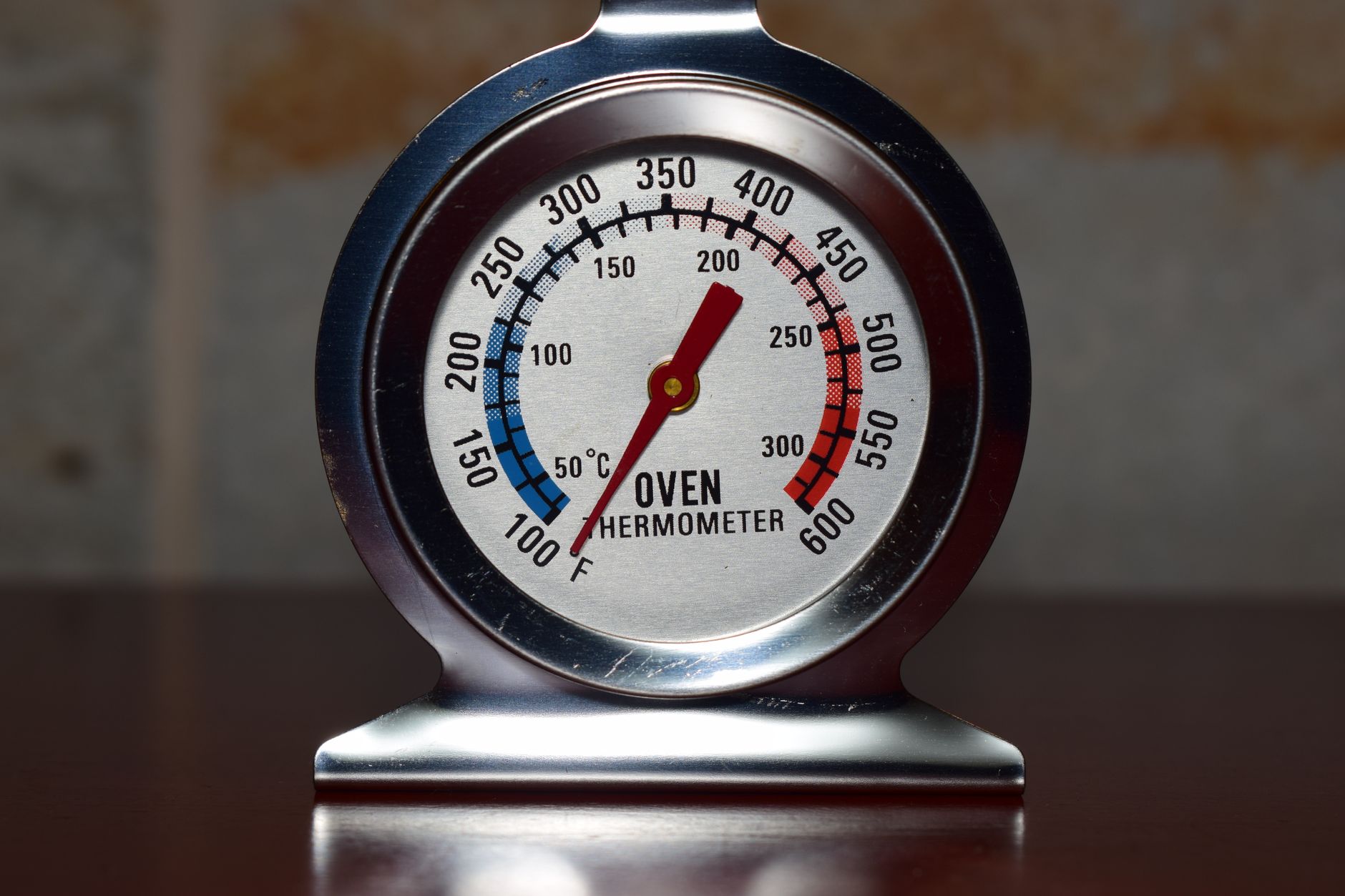
The danger zone for food refers to the temperature range between 40°F (4°C) and 140°F (60°C), where bacteria can grow rapidly, increasing the risk of foodborne illness. Understanding this zone is crucial for food safety, as improper handling and storage can lead to serious health risks.
In this article, we will explore the importance of food safety, the science behind the danger zone, best practices for keeping food out of this risky temperature range, and how to ensure your meals are safe to consume. We’ll also cover common mistakes people make that can lead to contamination and offer practical tips for safe food handling.
What Is the Danger Zone for Food?
The danger zone for food is defined as the temperature range of 40°F to 140°F (4°C to 60°C). Within this range, harmful bacteria can thrive and multiply at an alarming rate. When food is stored or left out in this temperature zone for too long, it poses a risk of foodborne illnesses, which can arise from consuming contaminated food.
Bacteria such as Salmonella, E. coli, and Listeria can grow quickly in this temperature range. For example, at room temperature, the number of bacteria on food can double every 20 minutes. This fact emphasizes the importance of keeping food out of the danger zone to maintain its safety and quality.
Understanding Bacteria Growth
Microorganisms, including bacteria, flourish in certain conditions. Each type of bacteria has an optimal temperature for growth, many of which fall within the danger zone. Key factors in bacterial growth include:
- Temperature: As discussed, 40°F to 140°F is where bacteria can thrive.
- Moisture: Foods with a high moisture content are also more susceptible to bacterial growth.
- Time: The longer food remains within the danger zone, the higher the risk of contamination. Generally, food should not be left out for more than two hours in this range.
It’s essential to monitor both the time and temperature at which food is stored to minimize health risks.
Best Practices to Avoid the Danger Zone
1. Proper Food Storage
Store perishable items, such as meat, dairy, and cooked foods, in the refrigerator at temperatures below 40°F. Here are some additional tips for proper storage:
- Use a reliable refrigerator thermometer to ensure your fridge is at 40°F or lower.
- Keep your freezer at 0°F (-18°C) to protect frozen food from deteriorating.
- Do not overcrowd shelves to allow proper air circulation.
2. Cooling Food Safely
When cooling food, cool it down quickly to pass through the danger zone as fast as possible. Here are a few techniques:
- Divide large portions into smaller containers to help them cool faster.
- Use ice baths for quicker cooling.
- Avoid placing hot food directly in the refrigerator, as it raises the temperature inside.
3. Reheating Food Correctly
When reheating food, ensure it reaches a minimum internal temperature of 165°F (74°C) to kill any lurking bacteria. Use a food thermometer for accuracy. Here are some tips:
- Stir food during heating to distribute heat evenly.
- If using a microwave, cover food and let it sit after heating to allow heat distribution.
4. Serving Food Safely
Hot foods should be kept at temperatures of 140°F or higher while serving. Consider using warming trays or chafing dishes. For cold foods, maintain temperatures below 40°F. Here are some serving tips:
- Return uneaten food to the refrigerator within two hours.
- Avoid leaving food on the table for extended periods.
Common Mistakes That Lead to the Danger Zone
Many people unknowingly make mistakes that put their food at risk. Here are some common errors to avoid:
- Neglecting Leftovers: Leaving food out overnight can lead to rapid bacterial growth.
- Insufficient Heating: Not heating leftovers to at least 165°F can be risky.
- Inadequate Cooling: Allowing food to sit at room temperature for too long after cooking.
Being aware of these common pitfalls is the first step toward safer food practices.
How Long Can Food Be in the Danger Zone?
As a general rule, food should not remain in the danger zone for more than two hours. If the temperature is above 90°F, that time reduces to just one hour. The guidelines for safe food handling state that foods left out beyond these time limits should be discarded to avoid potential illness.
Special Considerations for High-Risk Foods
Some foods require extra caution due to their susceptibility to bacterial growth. Consider these high-risk foods:
- Meat and Poultry: These proteins are often breeding grounds for bacteria if not stored correctly.
- Dairy Products: Milk and cheese can spoil quickly, requiring refrigeration.
- Prepared Foods: Dishes like casseroles or salads that contain mayonnaise can also promote bacterial growth if left out.
Always handle these foods with adherence to food safety guidelines to avoid health risks.
Food Safety During Meal Prep
Meal prepping can save time during busy weeks, but it also requires a keen focus on food safety. Here are guidelines to follow:
- Plan Ahead: Make a meal plan and shopping list to reduce the chance of food spoilage.
- Cook to Safe Temperatures: Use a food thermometer to ensure food reaches the required internal temperatures.
- Store Meals Properly: Divide meals into servings and store them in airtight containers to seal in freshness.
By planning and preparing properly, you can enjoy delicious meals throughout the week while minimizing the risk of foodborne illness.
Understanding Food Labels and Expiration Dates
Deciphering food labels and understanding expiration dates is crucial for safe eating. Here’s what to look out for:
- Best By Date: Indicates the time by which food is expected to retain its best quality, but food may still be safe beyond this date if stored properly.
- Use By Date: This date is more stringent; it should not be used after this date for safety reasons.
- Sell By Date: Aimed at retailers, it’s best to consume before this date for optimum quality.
Pay attention to these dates to avoid keeping food in the danger zone longer than necessary.
Why Understanding the Danger Zone Is Essential
Understanding the danger zone for food is critical not only for personal health but also for those you cook for. By practicing proper food safety measures, you can prevent foodborne illnesses and ensure the well-being of everyone who enjoys your cooking. Remember that food safety is a vital part of cooking, and knowledge is your best tool.
Food Safety Resources
For further education on food safety, consider consulting resources from the USDA Food Safety and Inspection Service and the Centers for Disease Control and Prevention (CDC). They offer extensive materials and guidelines on keeping food safe in your kitchen.
Conclusion
Maintaining food safety is primarily about avoiding the danger zone where bacteria thrive. By adhering to proper food handling, storage, and serving practices, you can significantly reduce the risk of foodborne illnesses. Take the time to educate yourself and implement safe practices in your kitchen.
For practical food guidance, feel free to explore our resources on stored food safety: learn about how long cooked ground beef is good in the fridge and how long can chicken sit out for the best practices in food safety handling.