
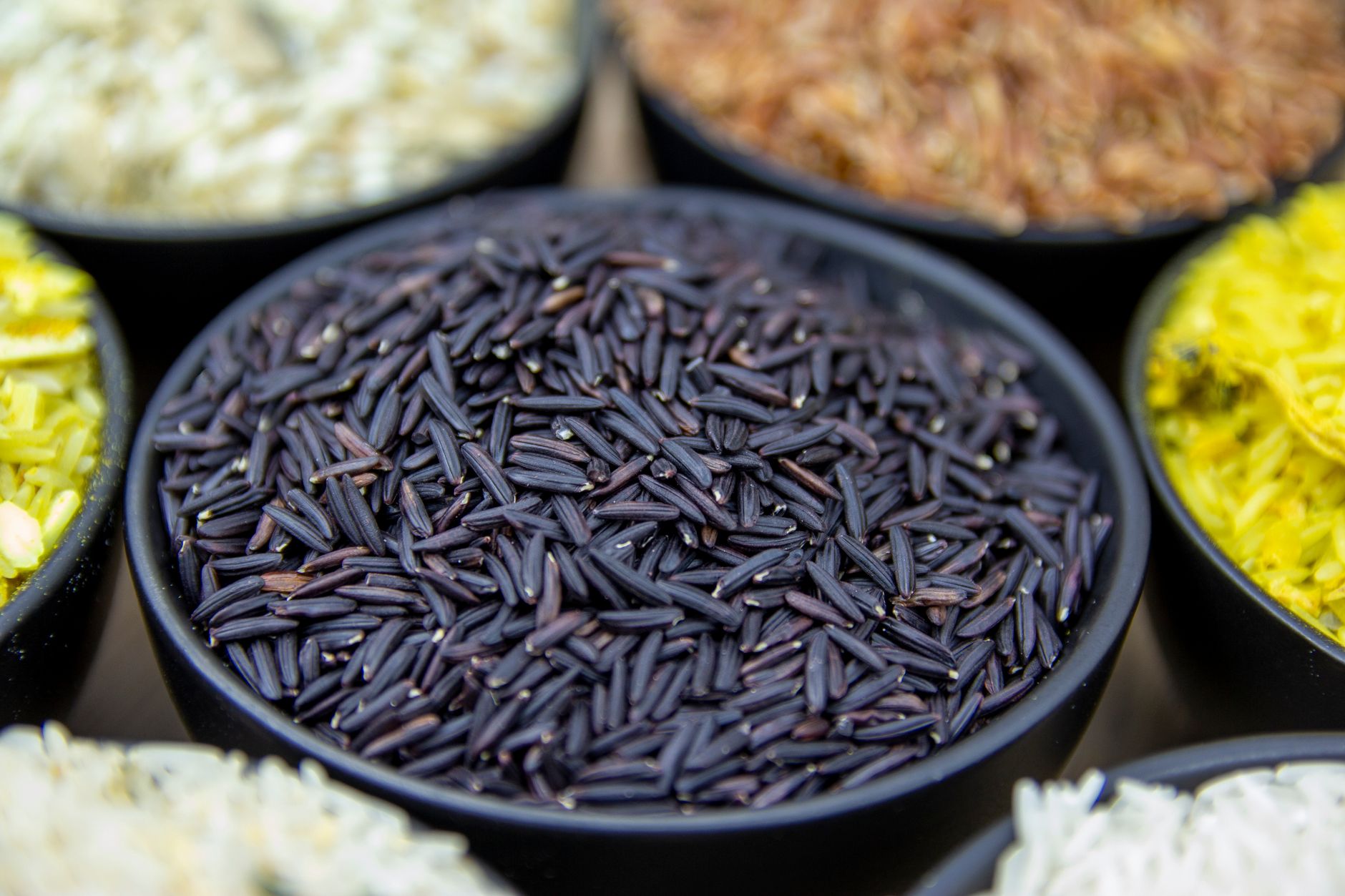
Rice is a staple food that serves as a foundation for countless dishes around the world. With over 40,000 varieties available, choosing the right type can influence flavor, texture, and overall enjoyment of meals. Understanding the different types of rice and their culinary uses is key to making informed choices for your cooking.
This guide explores the best types of rice to eat, examining flavor profiles, cooking techniques, and their best applications in various cuisines. With this information, home cooks can elevate their rice dishes and enhance their culinary toolkit.
What Is the Best Rice to Eat?
The best rice to eat largely depends on personal preference and the specific dish being prepared. For general versatility, white rice, brown rice, and jasmine rice are popular choices, each offering different flavors and textures. For special dishes, ingredients like arborio rice for risotto or sushi rice for sushi are excellent options.
Types of Rice
When selecting rice, it’s essential to understand the various types, as they differ in flavor, cooking time, and texture. Here’s a breakdown of some of the most notable rice varieties.
1. White Rice
White rice is the most common and widely consumed type. It undergoes a milling process that removes the outer bran and germ layers, resulting in a fluffy and tender texture.
- Flavor: Mild, slightly sweet.
- Cooking Time: 15-20 minutes.
- Use: Ideal for stir-fries, casseroles, and side dishes.
2. Brown Rice
Brown rice retains its bran and germ layer, making it a whole grain. This results in a nuttier flavor and chewier texture compared to white rice.
- Flavor: Nutty and earthy.
- Cooking Time: 40-45 minutes.
- Use: Excellent for salads, grain bowls, and healthy side dishes.
3. Jasmine Rice
This long-grain variety is aromatic and slightly sticky when cooked. Jasmine rice is commonly used in Southeast Asian dishes.
- Flavor: Floral and buttery.
- Cooking Time: 15-20 minutes.
- Use: Pairs well with curries and stir-fried dishes.
4. Basmati Rice
Basmati rice is another long-grain variety known for its fragrant aroma and fluffy texture. It’s commonly used in Indian and Middle Eastern cuisines.
- Flavor: Aromatic and nutty.
- Cooking Time: 15-20 minutes.
- Use: Ideal for biryanis and pilafs.
5. Arborio Rice
Primarily used for making risotto, arborio rice is a short-grain variety that releases starch during cooking, resulting in a creamy texture.
- Flavor: Mild, creamy.
- Cooking Time: 18-20 minutes.
- Use: Perfect for risottos and rice puddings.
6. Sushi Rice
Sushi rice is a short-grain rice that is sticky when cooked. It is seasoned with rice vinegar, sugar, and salt, giving it a unique flavor profile.
- Flavor: Slightly sweet and tangy.
- Cooking Time: 25 minutes.
- Use: Essential for sushi rolls and poke bowls.
7. Wild Rice
Wild rice is not technically rice but a grass. It has a distinct earthy flavor and chewy texture and is often mixed with other rice varieties.
- Flavor: Earthy and nutty.
- Cooking Time: 45-60 minutes.
- Use: Great in salads, pilafs, and stuffing.
Flavor and Texture Considerations
The flavor and texture of rice can dramatically influence a dish. Here’s how to choose the right kind based on flavor and texture preferences.
Texture
Different types of rice offer varied textures. For instance, jasmine rice tends to be sticky yet fluffy, making it ideal for absorbing sauces, while basmati rice has a light and airy fluffiness that separates easily. The right texture enhances the overall experience of the dish.
Flavor Profiles
Consider how the flavor of each rice type complements other ingredients. For instance, the nutty flavor of brown rice pairs nicely with roasted vegetables, while the aromatic qualities of basmati enhance the spices in curry dishes.
Cooking Techniques for Rice
Cooking rice correctly is crucial to achieving the desired flavor and texture. Here are some common techniques used across various types of rice.
1. Absorption Method
This popular technique involves cooking rice in a set amount of liquid until it is fully absorbed. It’s suitable for most rice types, especially long-grain varieties like basmati and jasmine.
- Rinse the rice thoroughly until the water runs clear to remove excess starch.
- Combine rinsed rice and water (generally a 1:1.5 ratio) in a pot.
- Bring to a boil, then reduce to a simmer and cover with a lid.
- Cook for 15-20 minutes, or until all liquid is absorbed.
- Remove from heat, let it sit for 5 minutes, then fluff with a fork.
2. Pilaf Method
This method involves sautéing the rice first and then adding water or broth. This technique works well for rice like basmati and jasmine and adds depth and flavor.
- Heat butter or oil in a pot and sauté aromatic vegetables like onions or garlic.
- Add rinsed rice and toast it for a few minutes until it becomes slightly translucent.
- Pour in the appropriate amount of water or broth (usually a 1:1.5 ratio) and bring to a boil.
- Reduce heat, cover, and simmer until liquid is absorbed.
- Let rest off the heat for 5 minutes and fluff before serving.
3. Steaming
Steaming rice is an excellent technique for types like sticky rice, commonly used in Asian cuisines. This method ensures even cooking without making the rice mushy.
- Soak the rice in water for at least 30 minutes.
- Drain the rice and place it in a steaming basket lined with cheesecloth.
- Bring a pot of water to a boil, ensuring the water does not touch the rice.
- Cover and steam for 25-30 minutes or until rice is tender.
Choosing Rice Based on Meal Types
Not all rice types are suitable for every dish. Here’s how to choose wisely based on the meal you are planning.
For Breakfast
Consider rice varieties that pair well with sweet ingredients. Arborio rice works great for creamy rice pudding, while jasmine or sticky rice can be sweetened with coconut milk for a delightful breakfast treat.
For Lunch
Use brown rice or quinoa for a hearty base in grain bowls or salads. Basmati rice pairs well with grilled meats and vegetables, offering a satisfying lunch option.
For Dinner
For savory dishes, opt for white long-grain rice to complement stir-fries or curry. Sushi rice is perfect for serving with sashimi or as part of a sushi platter. For hearty meals, use arborio rice in risottos that can stand as a main course.
For Desserts
Short-grain rice varieties are preferred for desserts. Use arborio rice for creamy risottos or sticky rice with mango for a traditional Thai dessert. The creamy texture enhances sweetness.
Common Mistakes When Cooking Rice
Even the simplest preparations can lead to common kitchen pitfalls. Here are mistakes to avoid and solutions to enhance your rice cooking.
1. Not Rinsing the Rice
Rinsing rice to eliminate excess starch is essential for fluffy, non-sticky grains. Always rinse long-grain rice until the water runs clear.
2. Incorrect Water Ratios
Water-to-rice ratios vary by type. A common mistake is using too much or too little water. Adjust based on the variety; sticky rice requires less water than brown rice.
3. Lifting the Lid Too Soon
Checking the rice while cooking can release steam and alter cooking times. Allow the rice to cook undisturbed until the end of the cooking time, letting it rest before serving for improved results.
4. Overcooking or Undercooking
Timings matter. Pay attention to the cooking times and be aware that different types of rice require different amounts of time to cook to perfection. Adjust based on personal preference for firmness.
Rice Storage and Freshness
Proper storage methods help maintain rice’s quality and freshness. Here are some guidelines for different types of rice.
Uncooked Rice
Keep uncooked rice in an airtight container in a cool, dry place. White rice can last for years, while brown rice has a shorter shelf life due to its higher oil content.
Cooked Rice
Store cooked rice in the refrigerator in an airtight container for up to 4-6 days. To reheat, steam or microwave until thoroughly heated. Avoid leaving cooked rice at room temperature to prevent bacteria growth.
Practical Tips for Cooking Rice
- Experiment with different types of rice to discover your favorites.
- Consistency is key; measure rice and water accurately.
- Season the cooking water with salt or spices for added flavor.
- Consider using broth instead of water for richer flavor.
Understanding the variety of rice available and how to properly prepare and store it can significantly impact your meals. Whether you’re making a simple stir-fry or an elaborate risotto, choosing the right rice ensures that your dish reaches its full potential. Take the time to explore various rice types, cooking techniques, and flavor combinations to enhance your culinary experience.
To expand your rice knowledge, consider trying an arborio rice recipe or explore a flavorful beef tips and rice recipe. Embracing rice in its many forms can lead to endless delicious possibilities.