
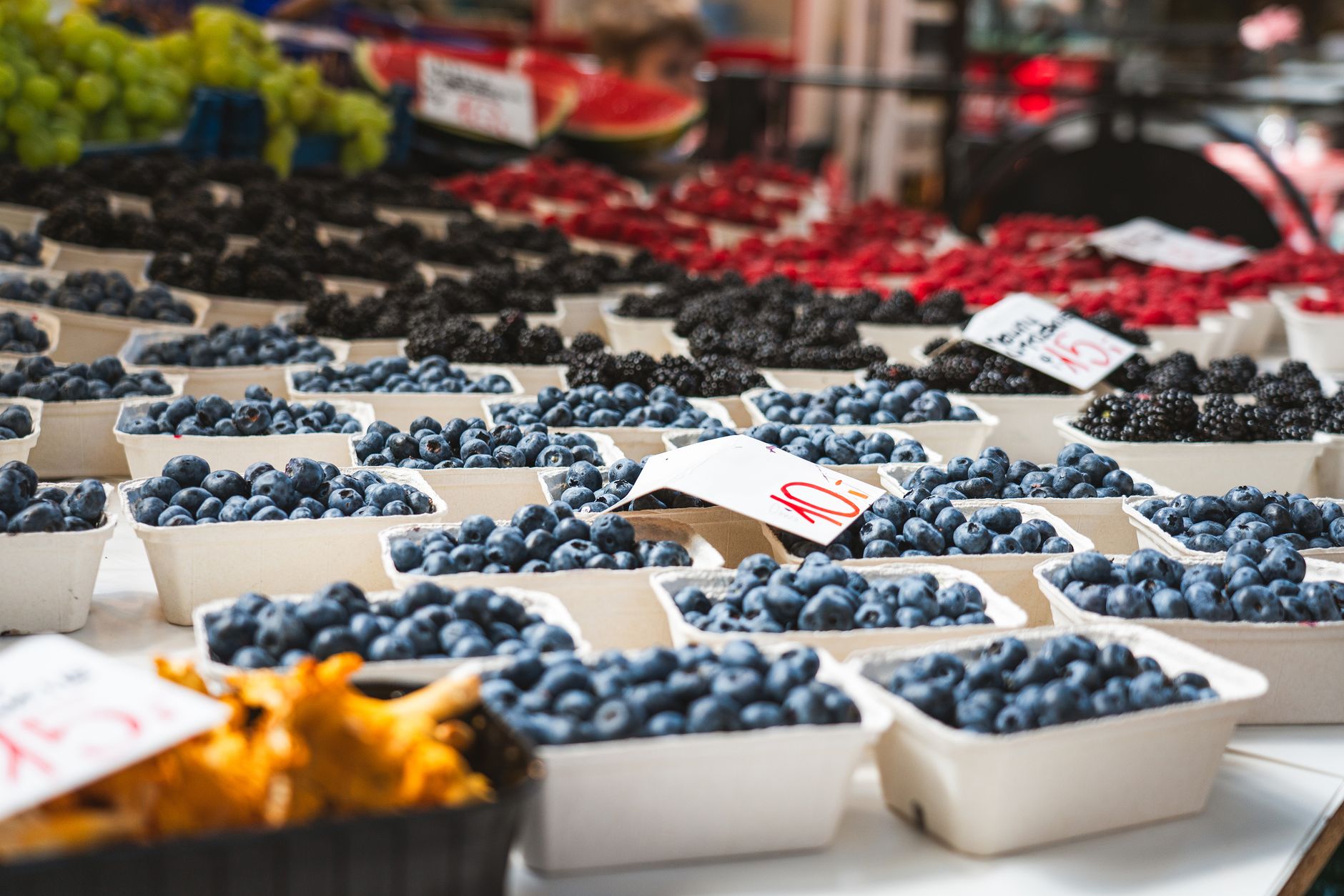
Anthocyanins are fascinating pigments responsible for the vibrant red, purple, and blue hues found in many fruits, vegetables, and flowers. These natural compounds not only enhance the visual appeal of food but also contribute to its flavor profile and potential health benefits.
In this article, we’ll delve into what anthocyanins are, how they affect the color and flavor of your favorite foods, and ways you can incorporate anthocyanin-rich ingredients into your meals.
What Is Anthocyanin?
Anthocyanins are a type of flavonoid, a class of compounds noted for their antioxidant properties. They belong to a larger group of phenolic compounds, known for their profound impact on plant color and health. Found primarily in the vacuoles of plant cells, anthocyanins help protect plants from environmental stresses and contribute to their reproductive success by attracting pollinators.
Dogs are potentially edible sources of anthocyanins, including a wide range of fruits like berries (blueberries, blackberries, and strawberries), red grapes, cherries, red cabbage, and eggplants, to name a few. Their vibrant colors not only appeal to our aesthetic senses but also reflect their underlying health benefits.
Flavor Profile of Anthocyanin-Rich Foods
The flavor of anthocyanin-containing foods can vary widely, influenced by other phytochemical compounds present, sugar levels, and acidity. For instance, the juicy sweetness of ripe blackberries contrasts with the subtle tartness of cranberries. Understanding these unique flavors can help you choose the right fruits and vegetables for your culinary endeavors.
- Blueberries: Sweet with a hint of tartness, blueberries are versatile for desserts, breakfast, and salads.
- Cherries: Bright and slightly tart, cherries are a popular choice for jams, desserts, and savory sauces.
- Blackberries: These berries offer a complex mix of sweetness and tang, making them perfect for pies or as fresh toppings.
- Red cabbage: Earthy and slightly peppery, red cabbage adds crunch and color to salads and slaws.
- Eggplants: Mild and versatile, ripe eggplants can be grilled, roasted, or incorporated into stews.
How to Serve Anthocyanin-Rich Ingredients
Incorporating anthocyanin-rich foods into your meals is both easy and delicious. Here are several practical tips on utilizing these colorful ingredients effectively.
Flavor Pairings
Using anthocyanin-rich foods can enhance flavor profiles in your dishes. Here are some complementary pairings:
- Blueberries: Pair them with citrus, nuts, and yogurt for a zingy breakfast parfait.
- Cherries: These go wonderfully with rich meats like duck or can be added to a salad with goat cheese.
- Blackberries: Combine them with basil or mint in salads for a refreshing twist.
- Red cabbage: Marry it with apples, carrots, and nuts for a vibrant slaw.
- Eggplants: Excellent with Mediterranean flavors like olive oil, garlic, and tomatoes.
Cooking Techniques
Different cooking methods can enhance the flavors and textures of anthocyanin-rich foods:
- Fresh: Enjoy fruits like blueberries and blackberries raw for maximum flavor and nutritional value.
- Roasted: Roasting eggplants and red cabbage can caramelize their natural sugars, enhancing their taste.
- Grilled: Grilled fruits can bring out their sweetness. Consider grilling peaches or pineapple mixed with berries.
- Macerated: Macerating berries with sugar and lemon juice can draw out their juices, making them a delicious topping for desserts.
- Blended: Create smoothies by blending these fruits with yogurt and a splash of juice for a refreshing drink.
Health Benefits of Anthocyanins
Beyond their vibrant colors and delightful flavors, anthocyanins are touted for their potential health benefits, primarily due to their antioxidant properties. While research is ongoing, some studies suggest that these compounds may:
- Support heart health by improving cholesterol levels and blood pressure.
- Enhance cognitive function and memory.
- Reduce inflammation in the body.
- Lower the risk of certain chronic diseases, including diabetes and some cancers.
While incorporating anthocyanin-rich foods into your diet can be beneficial, it’s important to focus on a balanced diet that includes a variety of fruits and vegetables. Aim to eat a colorful array to gain the full spectrum of nutrients.
Cooking with Anthocyanin-Rich Ingredients
Recipe: Blueberry Pancakes
These fluffy blueberry pancakes make for a delightful breakfast that’s packed with anthocyanins. They are sweet, satisfying, and can be topped with your favorite fruits or syrups.
Yield: 4 servings
Preparation time: 10 minutes
Cooking time: 10 minutes
Total time: 20 minutes
Ingredients
- 1 cup all-purpose flour
- 1 tablespoon baking powder
- 1 tablespoon sugar
- 1/4 teaspoon salt
- 1 cup milk
- 1 large egg
- 2 tablespoons melted butter
- 1 cup fresh blueberries
Essential Equipment
- Mixing bowl
- Whisk
- Skillet or griddle
- Spatula
Method
- In a mixing bowl, whisk together the flour, baking powder, sugar, and salt.
- In another bowl, combine the milk, egg, and melted butter until well mixed.
- Add the wet ingredients to the dry ingredients and stir until just combined.
- Gently fold in the blueberries, being careful not to over-mix.
- Heat a skillet or griddle over medium heat and lightly grease it with oil or butter.
- Pour 1/4 cup of batter onto the skillet for each pancake. Cook until bubbles form on the surface and the edges look set (about 2–3 minutes).
- Flip and cook the other side until golden brown, approximately 2 minutes more.
- Repeat with the remaining batter, adjusting heat as necessary. Serve warm with syrup or additional fruit.
Common Cooking Mistakes
When preparing anthocyanin-rich ingredients, be mindful of these common pitfalls:
- Overcooking: Overcooking red cabbage or eggplant can lead to a mushy texture. Aim for just tender but not overly soft.
- Storing improperly: Fresh berries should be stored in the refrigerator and rinsed just before use to prevent spoilage.
- Ignoring balance: The natural tartness of some berries, like blueberries, should be balanced with sweetness, either through sugar or pairing with sweet ingredients.
Storing Anthocyanin-Rich Foods
Proper storage can help maintain the freshness and quality of anthocyanin-rich ingredients:
- Berries: Keep them in the refrigerator, unwashed, in a breathable container to prevent mold.
- Red cabbage: Store it in a cool, dry place. Once cut, wrap it tightly and place it in the refrigerator.
- Eggplants: Store in a cool spot and use them quickly to prevent them from becoming bitter.
Anthocyanin Substitutions and Variations
When looking to incorporate anthocyanins into dishes but find yourself lacking certain ingredients, consider these practical substitutions:
- Blueberries: Substitute with blackberries or raspberries for similar tartness and sweetness.
- Red cabbage: If unavailable, green cabbage or spinach can add crunch, though the color will change.
- Eggplants: Consider zucchini or portobello mushrooms, which can mimic texture in dishes.
However, remember that while these substitutions can be practical, they may alter the color and flavor profile of your finished dish.
Conclusion
Anthocyanins are not just eye-catching pigments; they offer flavor, color, and potential health benefits to countless dishes. By understanding how to prepare and serve anthocyanin-rich foods, you can brighten up your meals while enjoying their unique tastes. Whether you choose to whip up blueberry pancakes, include vibrant salads with red cabbage, or use cherry compote on desserts, embracing these colorful ingredients can make your cooking more exciting.
Explore more delicious possibilities with anthocyanin-rich ingredients in recipes like Harvard Beets or create your own Cherry Compote.