
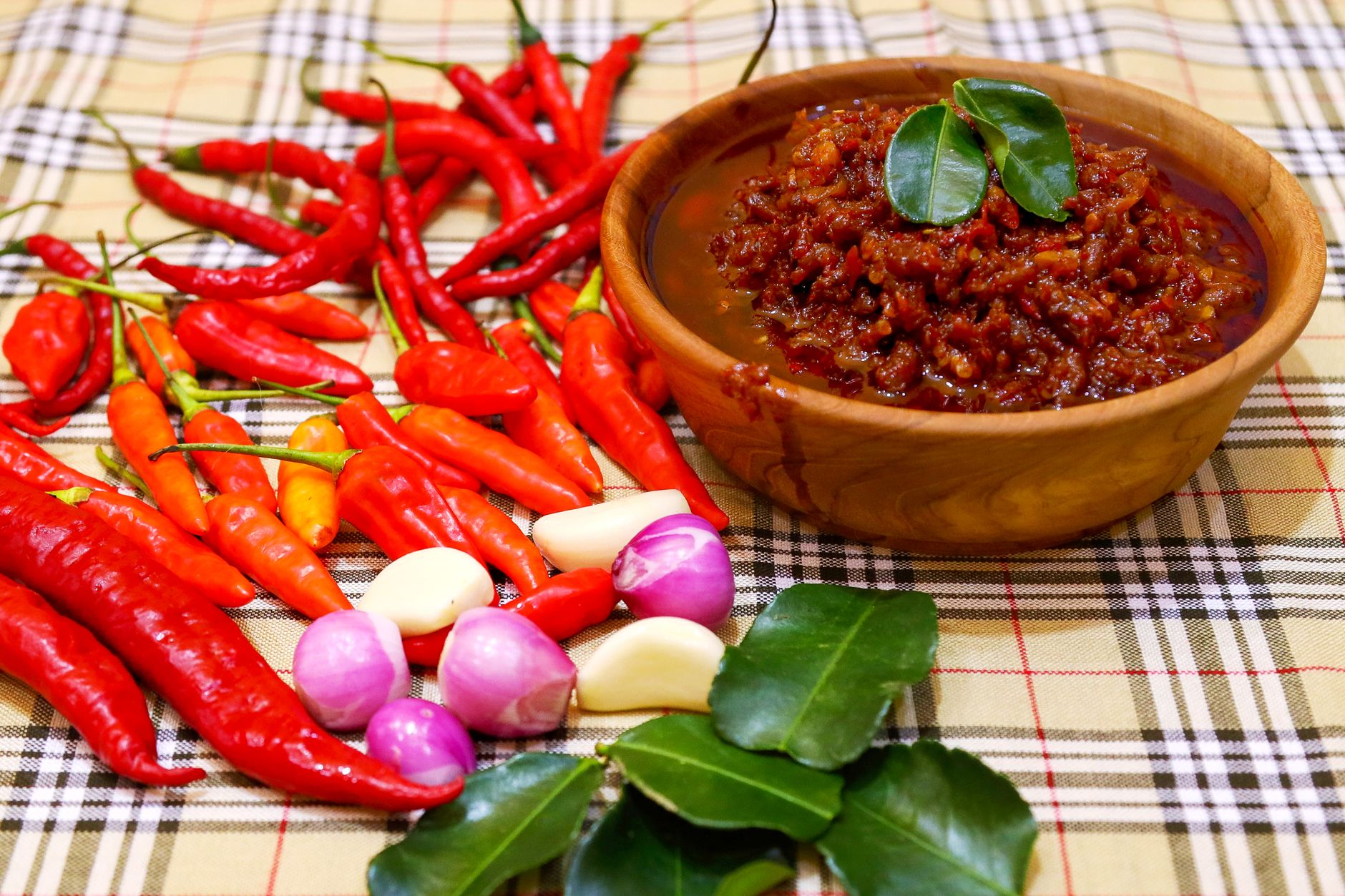
Sambal is a flavorful condiment originating from Indonesia, characterized by its fiery heat and versatile use in various dishes. It offers a vibrant combination of spices, herbs, and sometimes fruits, making it a staple in many Asian cuisines. Understanding sambal can enhance your cooking repertoire, bringing depth and heat to a wide range of meals.
This article explores sambal in detail, including its various types, ingredient profiles, culinary uses, and preparation methods, along with tips for making your own sambal at home.
What Is Sambal?
Sambal is a chili-based sauce that comes from Southeast Asia, particularly Indonesia. It typically consists of ground chili peppers mixed with other ingredients like vinegar, lime juice, salt, and spices. Known for its heat and distinctive flavor, sambal can be used as a condiment or ingredient in numerous dishes, from marinades to soups and stir-fries.
Types of Sambal
There are numerous variations of sambal, each with unique flavors and textures. Here are some common types:
- Sambal Oelek: Made with crushed raw chilies, vinegar, and salt. It has a chunky texture and is less complex in flavor, often used as a base or ingredient in other dishes.
- Sambal Badjak: A sweeter and more aromatic sambal that includes additional ingredients like shallots, garlic, and shrimp paste. It is thick and often used as a condiment.
- Sambal Terasi: Contains shrimp paste (terasi), making it richer in flavor. This type is typically spicier and has a more complex profile due to the umami from the shrimp paste.
- Sambal Goreng: A cooked sambal that combines fried ingredients, adding depth and a smoky flavor. It often features fried shallots and tomatoes.
- Sambal Manis: A sweet sambal, usually made with added sugar, soy sauce, or sweet soy sauce (kecap manis). This version is milder and is often used in dishes that require a touch of sweetness.
Key Ingredients in Sambal
The core ingredient in sambal is chili peppers, but its complexity comes from a variety of other components that can include:
- Chili Peppers: The primary source of heat, commonly red or green, fresh or dried. The type of chili used can significantly alter the flavor and spiciness level.
- Garlic: Adds depth and pungency to sambal. It balances the heat of the chilies.
- Shallots or Onions: These offer sweetness and aromatic elements, enhancing the overall flavor profile.
- Acid: Vinegar or lime juice provides tanginess that brightens the sambal and helps preserve it.
- Shrimp Paste: Often used in sambal terasi, it adds umami and richness.
- Salt: Essential for flavor enhancement and preservation.
- Sugar: Used in some sambal varieties to balance heat with sweetness.
How to Make Sambal at Home
Creating your own sambal at home is straightforward and allows for customization according to your taste preferences.
Basic Sambal Oelek Recipe
This simple version of sambal oelek can be made in about 15 minutes and serves as a versatile foundation for many dishes.
- Yield: About 1 cup
- Preparation Time: 5 minutes
- Cooking Time: 10 minutes
- Total Time: 15 minutes
Ingredients
- 1 ½ cups fresh red chili peppers, roughly chopped (adjust quantity for desired heat)
- 2 tablespoons vinegar (white or rice vinegar)
- 1 teaspoon salt
- 1 clove garlic, minced (optional)
Essential Equipment
- Food processor or mortar and pestle
- Jar for storage
- Spatula
Method
- In a food processor, combine the chopped chili peppers, garlic, and salt.
- Pulse until you reach a desired chunky texture.
- Add vinegar to the mixture and pulse again until well combined.
- Taste and adjust salt or vinegar as needed for your preference.
- Transfer sambal to a clean jar and store in the refrigerator. Use within 1-2 weeks.
Variations and Tips
While sambal oelek serves as a great base, feel free to experiment with the following variations:
- Spice Level: Add more chili for extra heat or use milder varieties for a less spicy version.
- Herbs: Incorporate cilantro or Thai basil for a fresh herbal note.
- Smoky Flavor: Try roasting the chili peppers before blending to introduce a smoky flavor.
- Storage: Always use a clean utensil when scooping out sambal to maintain its freshness.
Common Mistakes When Making Sambal
A few mistakes can affect the outcome of your sambal:
- Using overly ripe or bad-quality chilies can result in off-flavors.
- Not balancing the acid and salt appropriately can make sambal overly sour or salty.
- Skipping the blending process can lead to a chunky and less uniform sambal.
Serving Suggestions for Sambal
Sambal’s versatility makes it suitable for various dishes. Here are some ideas for how to use sambal:
- As a condiment for grilled meats, seafood, and vegetables.
- In stir-fried dishes or noodle preparations for an extra kick.
- Mixed into sauces or marinades to enhance flavor.
- As a dip for spring rolls, dumplings, or fried snacks.
- In soups to add richness and depth of flavor.
Exploring Sambal in World Cuisines
While sambal is most closely associated with Indonesian cuisine, it has made its way into the culinary practices of neighboring countries such as Malaysia, Thailand, and even parts of the Philippines. Each culture has its approach and variations, often incorporating local ingredients. This adaptability highlights sambal’s role as a beloved condiment across the region.
In Malaysian cuisine, sambal often accompanies dishes like nasi lemak or used in sambal belacan—a variation that uses shrimp paste. In Thailand, sambal can feature more citrus and herbaceous notes, complementing its distinct local flavors.
How to Incorporate Sambal into Meal Planning
Including sambal in your meal planning can spice things up and provide a quick flavor fix for various dishes. Here are some ways to incorporate it into your weekly meals:
- Batch Cooking: Make a large batch of sambal oelek or any variant and store it in the refrigerator for quick access throughout the week.
- Mealtime Pairings: Incorporate sambal into your protein marinades, salad dressings, or as a finishing touch on soups and stews.
- Snacking: Pair sambal with fresh veggies or chips for a simple snack that has a lot of flavor.
Storing Sambal
Sambal can be stored in the refrigerator for up to two weeks, but flavor and heat may diminish over time. If you make a larger batch, consider freezing portions for long-term storage. Here are some key tips:
- Use airtight containers to minimize exposure to air.
- Label containers with dates to keep track of freshness.
- For longer-term storage, portion out sambal in ice cube trays and freeze. Once solid, transfer them to freezer bags.
Sambal Substitutes
If you can’t find sambal or would like to try something different, there are other options, though flavor variations will occur:
- Sriracha: A popular alternative that offers a similar heat level but has a sweeter flavor profile.
- Chili paste: Store-bought chili paste can mimic sambal’s consistency but may vary in taste.
- Hot sauce: Any standard hot sauce can work, although they might lack the depth and complexity of sambal.
Conclusion
Sambal is more than just a condiment—it’s a culinary staple that brings heat and depth to a myriad of dishes. With its diverse flavors and preparation methods, it is easy to understand why sambal has captured the hearts of many food enthusiasts around the world. Creating your own sambal allows for excellent customization, letting you explore different tastes and heat levels. Equipped with the knowledge of sambal types, uses, and recipes, you can easily incorporate this vibrant condiment into your meals.
Consider trying out our sambal oelek recipe or making a batch of chili oil to further enhance your signature dishes. Happy cooking!