
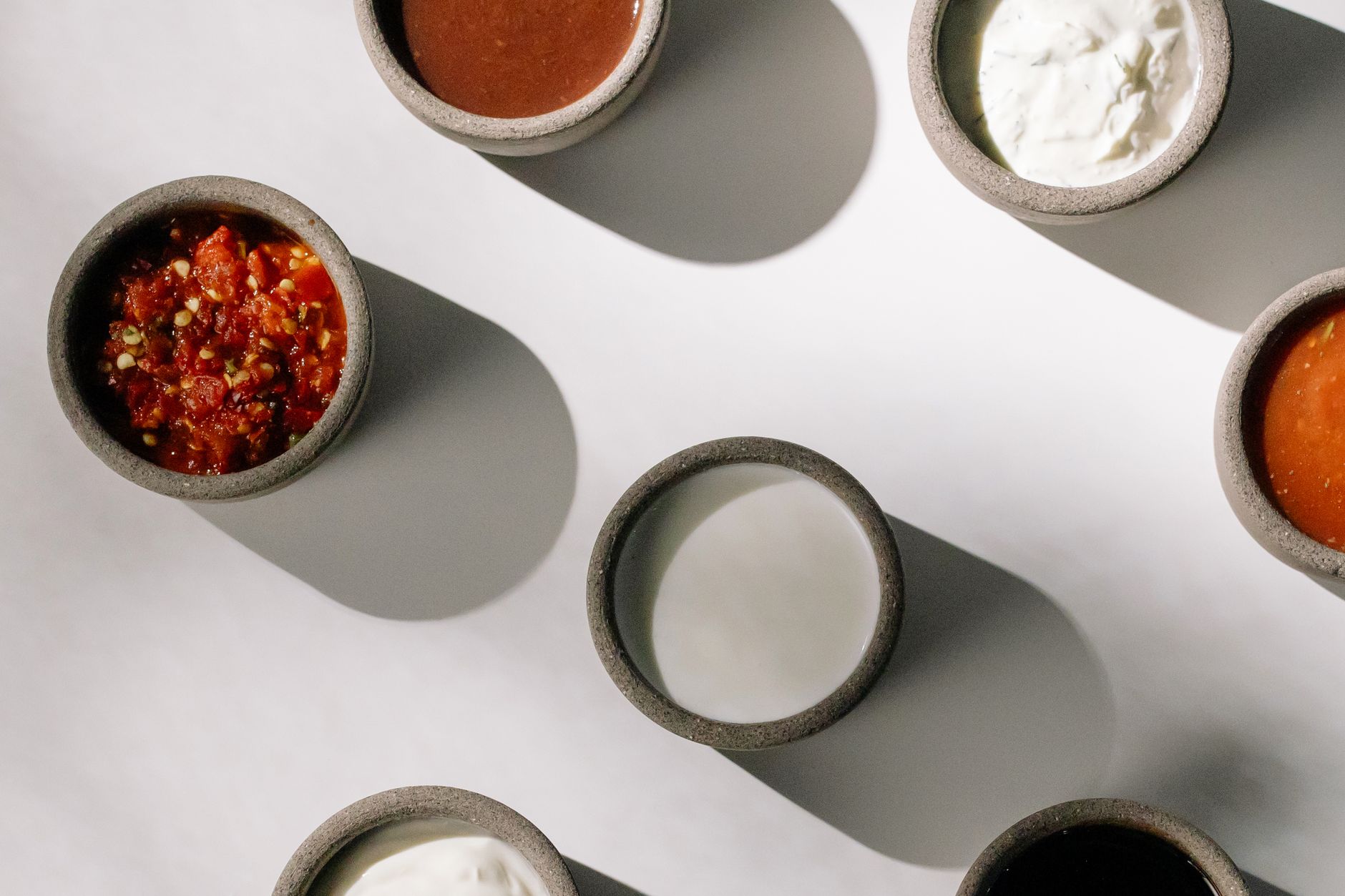
Romesco sauce is a flavorful, nutty condiment originating from the Catalonia region of Spain. Traditionally made with roasted red peppers, ground almonds, garlic, and tomatoes, it delivers a beautifully balanced taste that complements a wide array of dishes, from grilled meats to vegetables. Its vibrant color and rich flavor make it a favorite among chefs and home cooks alike.
This sauce not only enhances your meals but also serves as a versatile ingredient in various culinary applications. Let’s explore its ingredients, preparation methods, serving suggestions, and the many ways you can incorporate romesco sauce into your cooking repertoire.
What Is Romesco Sauce?
Romesco sauce is a traditional Spanish sauce made primarily from roasted red peppers, nuts (usually almonds), garlic, olive oil, and tomatoes. Its origins are linked to the coastal town of Amposta in Catalonia. Often served as a dip or sauce, it pairs excellently with seafood, grilled vegetables, and even as a marinade for meats. The sauce is not only versatile and easy to make but also rich in flavor, making it a popular addition to various dishes.
Ingredients Commonly Used in Romesco Sauce
The classic romesco sauce consists of several key ingredients, each contributing to its signature flavor and texture. Below are the primary ingredients:
- Roasted Red Peppers: Fresh or jarred, they are the sauce’s base, providing sweetness and depth.
- Tomatoes: Fresh or canned, tomatoes add acidity and volume.
- Almonds: Ground or whole, they offer nuttiness and a creamy texture.
- Garlic: Fresh garlic adds a sharp flavor that balances the sweetness of peppers and tomatoes.
- Olive Oil: Good quality extra virgin olive oil is essential for richness.
- Red Wine Vinegar or Sherry Vinegar: The acidity enhances the overall flavor and adds brightness.
- Salt: Essential for enhancing the sauce’s flavors.
- Paprika: Adds smokiness and depth; optionally, you can choose sweet or smoked paprika.
How to Make Romesco Sauce
Making romesco sauce is straightforward and requires minimal cooking. Here’s a step-by-step guide to preparing it yourself.
Preparation Time
Preparation Time: 15 minutes
Cooking Time: 30 minutes (if roasting your peppers)
Total Time: 45 minutes
Equipment Needed
- Oven
- Blender or Food Processor
- Roasting Pan
- Measuring Cups and Spoons
- Mixing Bowl
Ingredients
For a simple romesco sauce, you will need:
- 2 large red bell peppers
- 1 cup canned or fresh tomatoes, chopped
- 1/2 cup almonds, toasted
- 2-3 cloves garlic, peeled
- 1/4 cup extra virgin olive oil
- 2 tablespoons red wine vinegar
- 1 teaspoon smoked paprika (optional)
- Salt, to taste
Instructions
- Roast the Peppers: Preheat your oven to 450°F (230°C). Cut the peppers in half and remove the seeds. Place them cut side down on a roasting pan lined with parchment paper. Roast for about 20-25 minutes until the skin is charred and blistered. Remove from the oven and let cool.
- Prepare the Other Ingredients: While the peppers are roasting, toast the almonds in a dry skillet over medium heat for about 5-7 minutes until they are lightly golden. Watch them closely to avoid burning.
- Blend Ingredients: Once the peppers have cooled, peel off the skins and discard them. In a blender or food processor, combine the roasted peppers, toasted almonds, tomatoes, garlic, olive oil, vinegar, paprika, and salt. Blend until smooth and creamy. Adjust the seasoning if necessary.
- Serve: Transfer the romesco sauce to a bowl and serve immediately or store in the refrigerator. It can be enjoyed warm or cold, depending on your preference.
Practical Variations of Romesco Sauce
Romesco sauce is quite adaptable, and various ingredients can be added or substituted. Here are some common variations:
- Nut Variations: Instead of almonds, walnuts or hazelnuts can be used. This alters the flavor profile but keeps the texture creamy.
- Herbs: Adding fresh herbs like parsley or basil can add a fresh note.
- Spice Level: For a kick, consider adding a couple of jalapeños or other hot peppers.
- Additional Aromatics: Ingredients such as onion or citrus zest can enhance complexity.
Common Mistakes When Making Romesco Sauce
While romesco sauce is simple to prepare, here are some common pitfalls to avoid:
- Under-roasting Peppers: Ensure the skin is well-charred for a deeper flavor. This also makes peeling easier.
- Over-blending: If blended too long, the sauce can become too runny. Just blend until smooth and leave some texture.
- Using Low-Quality Olive Oil: The choice of oil greatly impacts the flavor. Always use good-quality extra virgin olive oil.
How to Store Romesco Sauce
Storing romesco sauce correctly will help maintain its flavor and freshness.
- Refrigeration: Store in an airtight container in the refrigerator for up to one week.
- Freezing: Romesco sauce can be frozen for up to 3 months. Portion into small containers or ice cube trays for easy thawing.
- Thawing: When ready to use, thaw overnight in the refrigerator before serving.
Serving Suggestions for Romesco Sauce
Romesco sauce is incredibly versatile. Here are some delicious ways to serve it:
- As a Dip: Serve with fresh vegetables, pita chips, or crusty bread for an appetizer or snack.
- With Grilled Meats: It pairs beautifully with chicken, lamb, or seafood, providing a zesty contrast.
- On Roasted Vegetables: Drizzle over roasted or grilled vegetables for added depth.
- With Pasta: Toss the sauce with pasta for a quick and flavorful meal.
- As a Marinade: Use romesco sauce as a marinade for proteins before grilling or roasting.
How to Incorporate Romesco Sauce into Your Meal Planning
Romesco sauce can be a great addition to your meal planning strategy, adding flavor to a variety of dishes throughout the week. Here are some tips for incorporating it:
- Batch Cooking: Prepare a larger quantity of romesco sauce ahead of time. It can be used in different meals during the week, ensuring you always have a quick flavor enhancer.
- Ingredient Pairing: Plan meals that incorporate ingredients that work well with romesco, such as grilled chicken, fish, and seasonal vegetables.
- Quick Meals: Use romesco to easily spruce up meals like salads, sandwiches, or grain bowls.
Romesco Sauce in Regional Cuisines
Romesco sauce originates from Catalonia, where it is often served with “calçots” (a type of green onion) in the traditional “calçotada” feast. It’s commonly found in coastal cuisine, especially with seafood dishes. Understanding its regional significance can enhance your appreciation for this vibrant sauce.
Romesco Sauce in Other Countries
Outside Spain, variations of romesco sauce can be found in other Mediterranean cuisines. For example:
- In Mexico: A similar nut-based sauce called “mole” features different spices and ingredients while maintaining a focus on nuts.
- In Italy: The Italian “salsa rossa” offers a tomato-based dip that can resemble romesco in texture.
Conclusion
Romesco sauce is a delightful condiment that brings a splash of flavor and color to any meal. Its versatility makes it a worthy addition to your culinary creations, whether you’re dipping, drizzling, or marinating. With easy preparations, a variety of ingredient options, and a host of serving suggestions, romesco sauce is a perfect ally in the kitchen.
Start experimenting with romesco sauce today and elevate your dishes. Explore more about related recipes, cooking tips, and food guides to make the most of your culinary journey!