
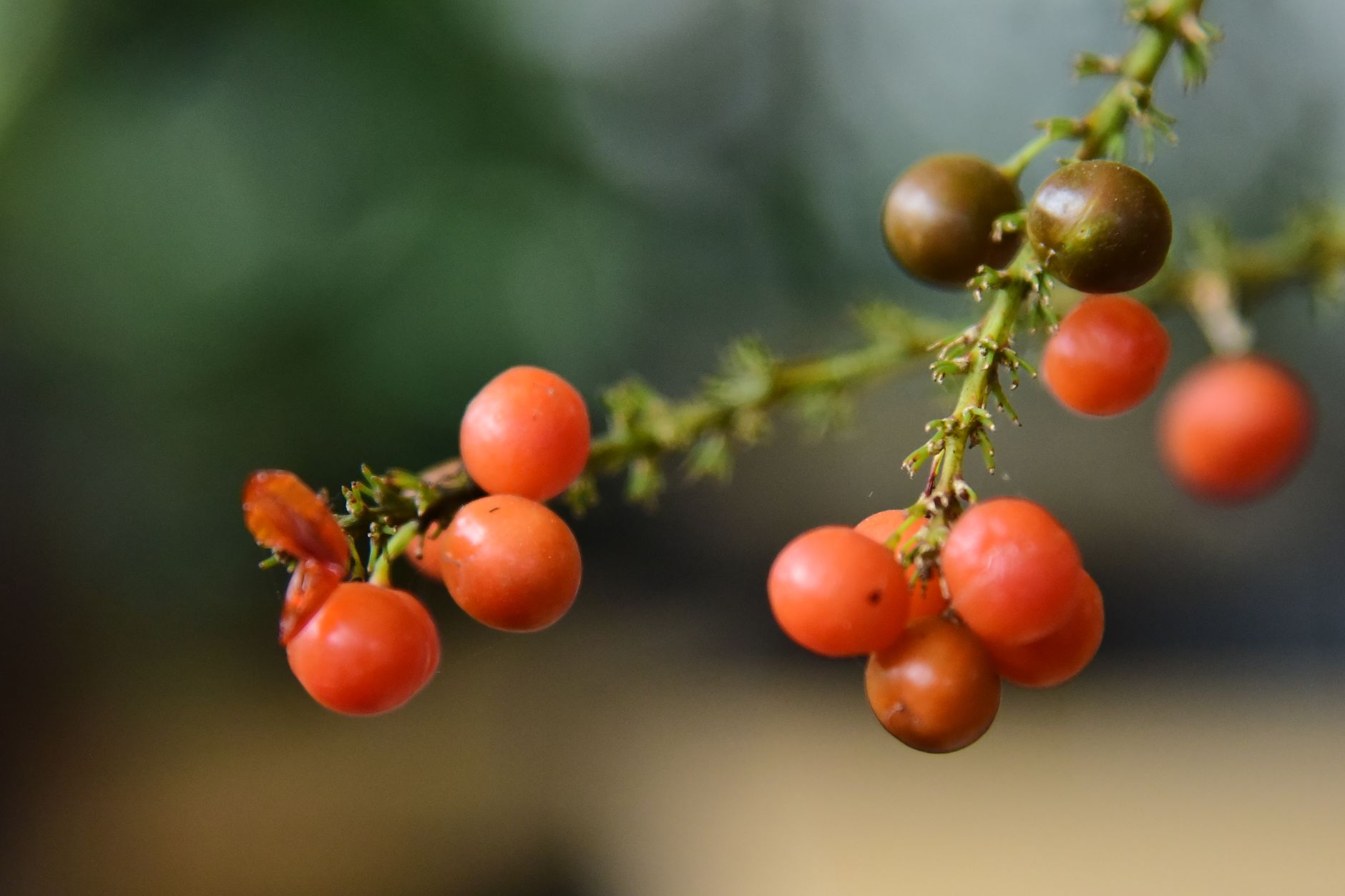
Oranges are a popular fruit known for their refreshing taste and vibrant color. They are packed with nutrients and often considered a healthy snack option. One common question people have is about the carbohydrate content in oranges, particularly the smaller ones, since those may vary significantly in size and nutritional makeup.
Understanding how many carbs are in a small orange can be particularly important for those monitoring their carbohydrate intake, whether for weight management, diabetes control, or other dietary preferences. This article will delve into the carbohydrate content of small oranges, how they fit into a balanced diet, and some practical tips for enjoying this delicious fruit.
How Many Carbs in a Small Orange?
A small orange, typically weighing around 130 grams, contains approximately 12 to 14 grams of carbohydrates. The specific carbohydrate count can vary slightly based on the size of the orange and its variety, but generally, this is a useful estimate. Most of the carbohydrates in an orange come from natural sugars, as well as dietary fiber.
Understanding Carbohydrates in Fruits
Carbohydrates are one of the three macronutrients that provide energy to our bodies, alongside proteins and fats. In fruits, carbohydrates primarily exist in the form of simple sugars, such as glucose and fructose. These sugars provide a quick source of energy.
Fruits also contain dietary fiber, which can aid in digestion and help maintain a feeling of fullness. In small oranges, the fiber content typically accounts for about 2 to 3 grams of the total carbohydrates, making them a great choice for a healthy snack.
The Nutritional Profile of a Small Orange
Beyond carbohydrates, small oranges offer various vitamins and minerals. Here’s a breakdown of the typical nutritional values for a small orange (130 grams):
| Nutrient | Amount |
|---|---|
| Calories | 62 |
| Carbohydrates | 12-14 g |
| Fiber | 2.4 g |
| Sugars | 9 g |
| Protein | 1.2 g |
| Fat | 0.2 g |
| Vitamin C | 70 mg |
| Potassium | 237 mg |
How Small Oranges Fit into Your Diet
Including small oranges in your diet can be beneficial due to their nutrient profile. They provide essential vitamins, particularly vitamin C, which is important for immune function and skin health. The antioxidants found in oranges can also support overall health.
For those monitoring their carbohydrate intake, like individuals with diabetes, the fiber in oranges can help slow sugar absorption, making them a suitable choice when incorporated wisely into meals. Pairing a small orange with a source of protein or fat, such as a handful of nuts or a dollop of Greek yogurt, can create a balanced snack that minimizes blood sugar spikes.
Practical Ways to Enjoy Small Oranges
Small oranges can be enjoyed in various ways, making them a versatile addition to your diet. Here are some practical tips for incorporating them:
- Fresh Snack: Peel and enjoy them raw as a refreshing snack during the day.
- Salads: Add segments of small orange to salads for sweetness and a burst of flavor.
- Juice: Squeeze them to make fresh orange juice, keeping in mind the sugar content.
- Cooking: Use the zest or juice in marinades, sauces, or baked goods for added flavor.
- Healthy Desserts: Combine orange segments with yogurt or cottage cheese for a light dessert.
Storage Tips for Oranges
To ensure your small oranges stay fresh and tasty, here are some storage tips:
- Refrigeration: Store oranges in the refrigerator to prolong their shelf life. They can last up to two weeks when refrigerated.
- Room Temperature: If you plan to eat them within a few days, keep them at room temperature, out of direct sunlight.
- Avoid Stacking: Store them in a single layer, as stacking can bruise them and compromise their quality.
Common Mistakes When Enjoying Oranges
Even a simple fruit like oranges can lead to mistakes if not consumed or prepared correctly. Here are some common pitfalls to avoid:
- Ignoring Portion Sizes: While healthy, consuming too many oranges can lead to excess sugar and carbohydrate intake.
- Overlooking the Peel: The peel contains beneficial nutrients; consider incorporating it into recipes where appropriate.
- Not Washing Thoroughly: Always wash oranges before peeling, as bacteria can be present on the skin.
Health Considerations Related to Oranges
While oranges are a healthy choice for most people, there are a few health considerations to keep in mind:
- Acid Sensitivity: The acidity in oranges can be problematic for individuals with gastroesophageal reflux disease (GERD) or other acid sensitivity.
- Blood Sugar Management: Those monitoring blood sugar levels should be mindful of the carbohydrate content but can still enjoy moderation as part of a balanced diet.
- Allergies: In rare cases, some people may have citrus allergies; consultation with a healthcare provider is advisable.
The Environmental Impact of Oranges
As consumers, it’s essential to consider the environmental impact of our food choices. Oranges are often grown in regions that utilize significant resources. Here are some ways to make more sustainable choices:
- Buy Local: Look for locally grown oranges when in season to reduce carbon footprint.
- Organic Choices: Choose organic oranges when possible to support sustainable farming practices.
- Waste Reduction: Use peels and leftover segments in cooking or baking to minimize food waste.
Conclusion
Monitoring your carbohydrate intake is important for various health reasons, and knowing how many carbs are in a small orange helps you make informed dietary choices. With approximately 12 to 14 grams of carbohydrates in a small orange, these fruits can fit well into a balanced diet. Their refreshing taste, abundant nutrients, and versatility make them a snack that not only satisfies but also nourishes.
As you plan your meals or snacks, consider how small oranges can enhance your nutrition while providing a burst of flavor. They can accompany many dishes or stand alone as a quick snack, delivering both sweetness and vital nutrients.
For more information about carb counts in different foods, check out how many carbs are in eggs or discover creative uses for chia pudding in your meals.