
Rich, velvety, and utterly comforting, Espagnole Sauce is the backbone of classical French cuisine. Its depth of flavor elevates everything from roasted meats to pasta dishes, making it a must-know for any home cook wanting to impress. The combination of robust stock, aromatic vegetables, and a touch of tomato creates a sauce that is both versatile and satisfying. Once you master this foundational sauce, you’ll find endless ways to use it in your culinary adventures.
Why You’ll Love This Recipe
This sauce is truly a game changer for your meals.
- Provides a complex flavor base for many dishes.
- Can be made ahead and stored for later use.
- Versatile enough to pair with meats, vegetables, and grains.
- Impressive enough to serve at dinner parties.
- Simple ingredients that you may already have on hand.
My Experience Making This Recipe
The first time I made Espagnole Sauce, I was amazed at how such simple ingredients could create something so delicious. The aroma of simmering vegetables filled my kitchen, and I knew I was onto something special.
When I served it over a perfectly cooked roast, my family was blown away by the depth of flavor. It felt like I had unlocked a new level in my cooking journey, and I couldn’t wait to experiment with it more.
Recipe Overview
- Recipe Name: Espagnole Sauce
- Servings: 8
- Prep Time: 15 minutes
- Cook Time: 2 hours
- Total Time: 2 hours 15 minutes
- Course: Sauce
- Cuisine: French
- Calories per Serving: 100
Equipment You Will Need
- Large saucepan
- Wooden spoon
- Strainer or cheesecloth
- Measuring cups and spoons
- Knife and cutting board
Ingredients for Espagnole Sauce
- 2 tablespoons olive oil
- 1 medium onion, finely chopped
- 1 carrot, finely chopped
- 1 celery stalk, finely chopped
- 2 cloves garlic, minced
- 2 tablespoons tomato paste
- 1/2 cup all-purpose flour
- 4 cups beef stock
- 1 bay leaf
- 1 teaspoon dried thyme
- Salt and pepper to taste
Ingredient Notes and Substitutions
- Olive oil: Used for sautéing the vegetables; feel free to substitute with butter for a richer flavor.
- Beef stock: This adds depth; vegetable stock can work for a lighter version.
- All-purpose flour: Thickens the sauce; cornstarch can be used as a gluten-free alternative.
- Tomato paste: Provides acidity; you can use crushed tomatoes in a pinch.
How to Make Espagnole Sauce
Step 1: Sauté the Vegetables
Heat the olive oil in a large saucepan over medium heat. This step is crucial as it helps to develop the flavors of the sauce.
Step 2: Add Aromatics
Add the onion, carrot, and celery to the pan. Sauté for about 5 to 7 minutes until they are softened and aromatic.
Step 3: Incorporate Garlic
Stir in the minced garlic and cook for an additional minute. Garlic can burn quickly, so keep an eye on it.
Step 4: Mix in Tomato Paste
Add the tomato paste and cook for another 2 minutes. This will deepen the sauce’s flavor profile significantly.
Step 5: Create the Roux
Sprinkle the flour over the vegetable mixture and stir well. This roux will thicken your sauce and help create a smooth texture.
Step 6: Gradually Add Stock
Slowly pour in the beef stock, stirring constantly to avoid lumps. This step is key to achieving a silky sauce.
Step 7: Season and Simmer
Add the bay leaf, thyme, salt, and pepper. Bring the sauce to a gentle simmer and cook for about 1.5 hours, stirring occasionally.
Step 8: Strain the Sauce
Once it’s thickened, strain the sauce through a fine mesh sieve or cheesecloth. This ensures a smooth final product, free of vegetable bits.
Pro Tip: Don’t rush the simmering process; allowing the sauce to cook slowly will enhance its flavor.
Tips for the Best Espagnole Sauce
- Use fresh herbs for a vibrant flavor boost.
- Always taste and adjust seasoning as the sauce cooks.
- Make it ahead of time; it keeps well in the fridge.
- Don’t skip the straining step for a silky finish.
- Experiment with different stocks for varied flavor profiles.
Common Mistakes to Avoid
- Not sautéing the vegetables properly; this can lead to a bland sauce.
- Adding stock too quickly; it can create lumps in the sauce.
- Skipping the straining step; you’ll miss out on that smooth texture.
- Overcooking the flour; this can give a raw taste to your sauce.
Serving Suggestions
Espagnole Sauce pairs beautifully with a variety of dishes. Here are some ideas to get you started:
- Over roasted meats like beef or lamb.
- As a base for a rich pasta dish.
- With vegetables like mushrooms or asparagus.
- In stews or braises for added depth.
Variations to Try
- Add red wine for a richer flavor and color.
- Use different stocks, such as chicken or vegetable, for a lighter sauce.
- Incorporate mushrooms for an earthy twist.
- Try adding a splash of cream for a decadent finish.
Dietary Adaptations
- Gluten-free: Substitute all-purpose flour with cornstarch.
- Dairy-free: This recipe is already dairy-free, so no changes needed.
- Vegetarian: Use vegetable stock instead of beef stock.
- Low-carb/Keto: The sauce is naturally low in carbs; just watch your stock ingredients.
Storage and Reheating
Refrigerator
Let the sauce cool completely before storing.
- Transfer to an airtight container.
- Store in the refrigerator for up to one week.
Freezer
Espagnole sauce freezes well for longer storage.
- Cool completely, then place in a freezer-safe container.
- It can be frozen for up to three months.
Reheating
Reheat gently on the stove over low heat.
- Add a splash of stock or water if it thickens too much.
- Stir continuously to avoid burning.
Nutrition Information
| Nutrient | Amount |
|---|---|
| Calories | 100 |
| Total Fat | 5g |
| Saturated Fat | 1g |
| Carbohydrates | 12g |
| Fiber | 1g |
| Sugar | 2g |
| Protein | 3g |
| Sodium | 150mg |
| Cholesterol | 0mg |
This nutrition information is approximate and can vary based on specific ingredients used.
Frequently Asked Questions
Can I make this sauce ahead of time?
Yes, it stores well in the fridge and can be frozen for later use.
What can I substitute for beef stock?
You can use vegetable stock for a lighter flavor or chicken stock if you prefer.
Why is my sauce too thin?
If it is too thin, try simmering it longer to reduce and thicken.
Can I use fresh tomatoes instead of paste?
Yes, but you may need to cook them down longer to achieve a similar consistency.
What if I don’t have tomato paste?
You can substitute with crushed tomatoes, but it may alter the sauce’s texture slightly.
Final Thoughts
Making Espagnole Sauce is a rewarding experience that will elevate your cooking. Once you master this classic sauce, you’ll find it opens up a world of flavor possibilities.
So, roll up your sleeves and get ready to impress your family and friends with this timeless recipe. For more cooking inspiration, check out what is a souffle or learn about romesco sauce!
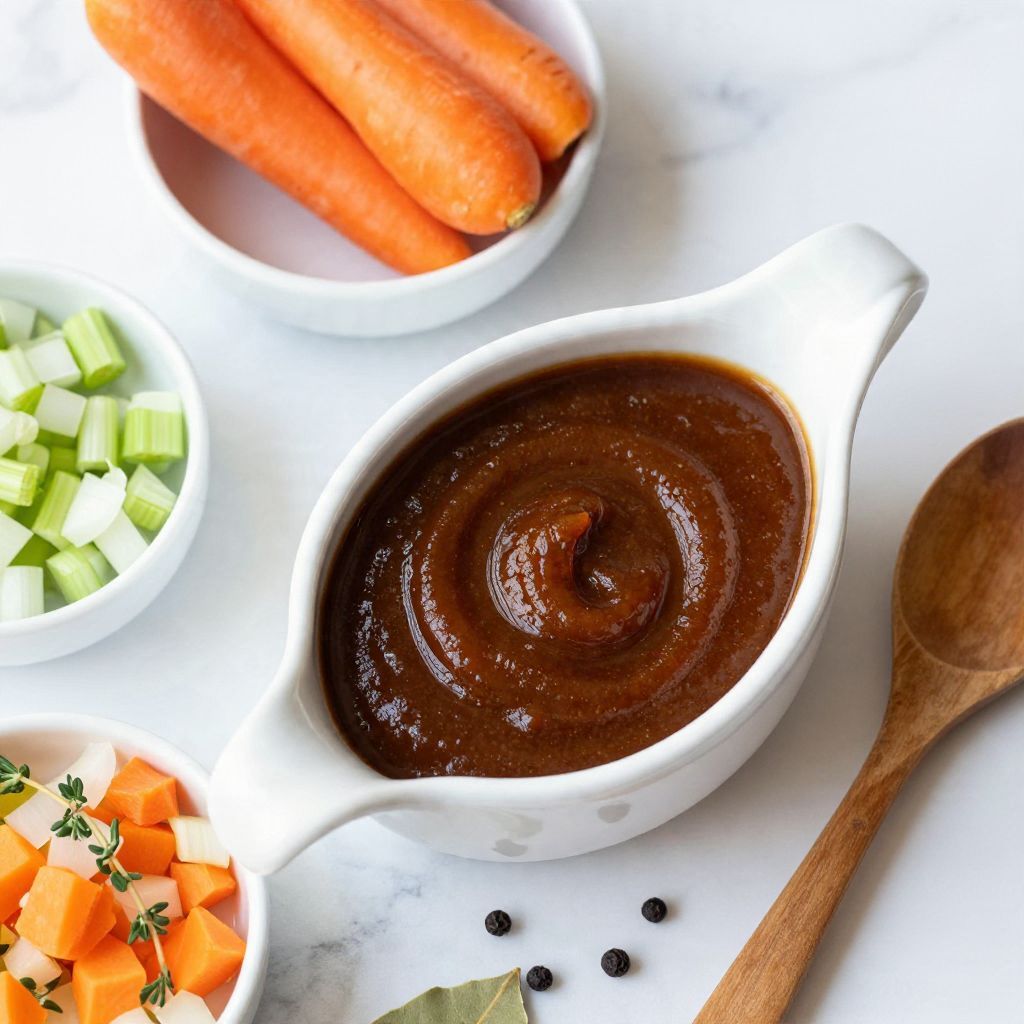
Espagnole Sauce
Ingredients
Equipment
Method
- Heat the olive oil in a large saucepan over medium heat.
- Add the onion, carrot, and celery to the pan and sauté for about 5 to 7 minutes until they are softened and aromatic.
- Stir in the minced garlic and cook for an additional minute.
- Add the tomato paste and cook for another 2 minutes.
- Sprinkle the flour over the vegetable mixture and stir well.
- Slowly pour in the beef stock, stirring constantly to avoid lumps.
- Add the bay leaf, thyme, salt, and pepper. Bring the sauce to a gentle simmer and cook for about 1.5 hours, stirring occasionally.
- Once it's thickened, strain the sauce through a fine mesh sieve or cheesecloth.