
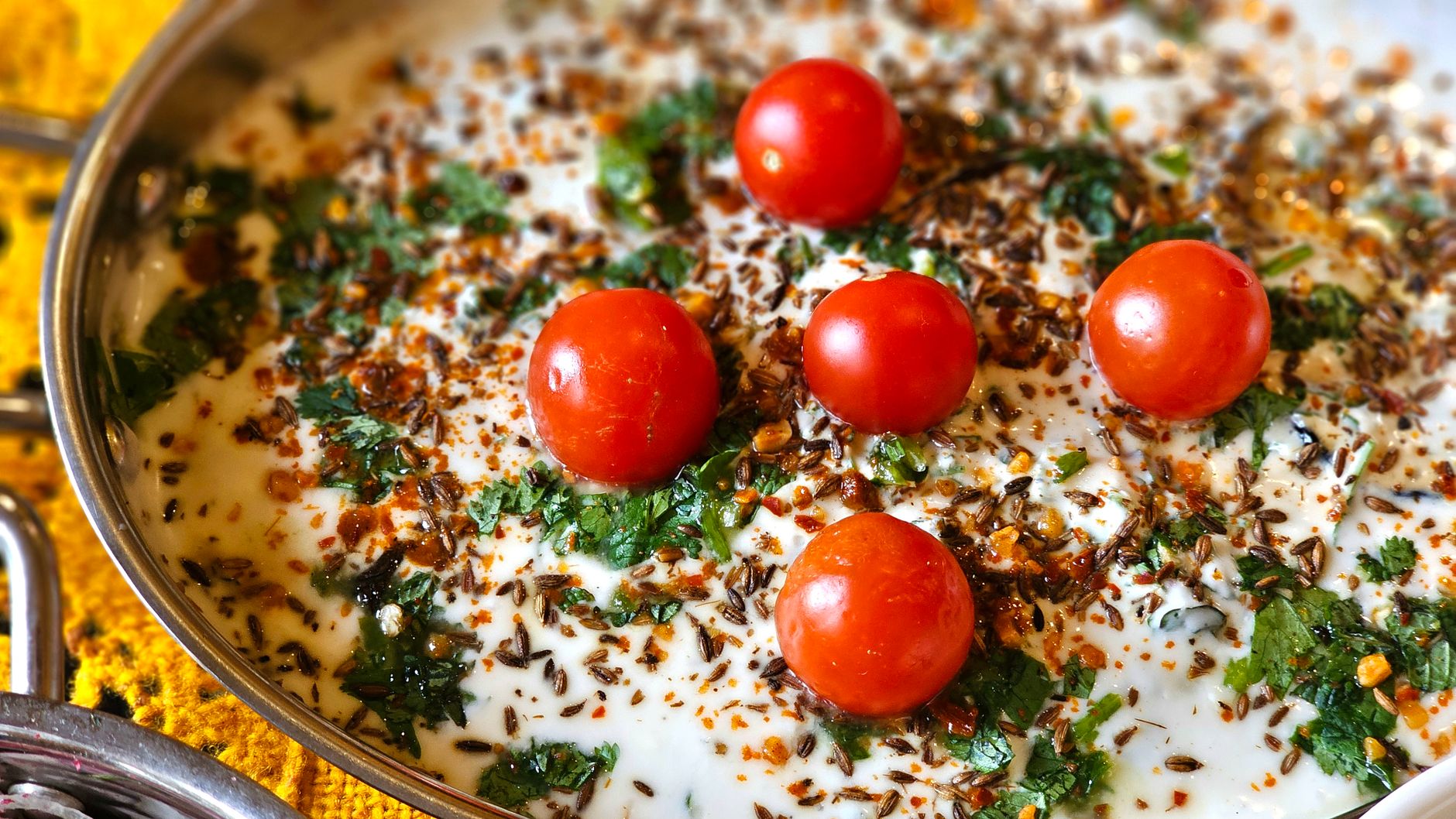
Raita is a traditional Indian condiment made primarily from yogurt, which often includes a variety of vegetables, fruits, and spices. It serves as a cooling element to balance the heat of spicy dishes and complements a range of Indian meals, from biryanis to curries. Not only does raita add flavor, but it also provides a creamy texture that enhances the overall dining experience.
This versatile side dish can be customized in countless ways to suit your palate, making it a staple in Indian cuisine. In this article, we will delve into the different types of raita, its ingredients, recipes, and tips for making the perfect raita at home.
What Is Raita?
Raita is a yogurt-based side dish that often features a variety of ingredients such as grated cucumber, diced tomatoes, cooked potatoes, and spices. Its primary purpose is to provide a cooling effect to counterbalance spicy foods while enhancing flavors. Raita can vary widely depending on regional preferences and personal tastes, making it a unique addition to numerous meals.
Types of Raita
Raita encompasses a wide variety of preparations, each offering a distinct flavor profile. Here are some of the most popular types:
- Cucumber Raita: Made with finely chopped cucumbers, this raita is incredibly refreshing. It often includes spices like cumin and coriander, and sometimes even fresh herbs like mint.
- Onion Raita: This version uses finely diced onions and is typically spiced with cumin seeds. It adds a bit of crunch and sharpness to your meal.
- Boondi Raita: Made with tiny, crispy fried gram flour balls called boondi, this raita is tangy and crunchy.
- Pineapple Raita: A more fruity twist, this raita incorporates diced pineapples that add sweetness and tang, often enjoyed alongside spicy curries.
- Mint Raita: Featuring fresh mint leaves blended into yogurt, this raita is aromatic and refreshing.
Key Ingredients in Raita
While the main component of raita is yogurt, several other ingredients can be added to enhance texture and flavor:
- Yogurt: The base of raita, yogurt adds creaminess and tanginess. Whole-milk yogurt is usually preferred for its richness.
- Vegetables: Common additions include cucumber, tomatoes, onions, and carrots. These ingredients add crunch and freshness.
- Fruits: Certain recipes use fruits like pineapple, mango, or even apple to lend sweetness.
- Herbs and Spices: Fresh herbs like cilantro and mint, as well as spices like cumin, coriander, and black salt, contribute depth of flavor.
Basic Raita Recipe
This simple recipe will guide you in making a classic cucumber raita that pairs beautifully with various Indian dishes.
Yield:
This recipe serves about 4 people.
Preparation Time:
Approximately 10 minutes.
Ingredients:
- 2 cups plain yogurt (preferably whole milk)
- 1 medium cucumber, finely grated or diced
- 1/2 teaspoon roasted cumin powder
- 1/2 teaspoon black salt (or regular salt to taste)
- 1 tablespoon fresh cilantro, chopped (optional)
- 1/4 teaspoon red chili powder (optional, for heat)
- 1 tablespoon lemon juice (optional, for tanginess)
Essential Equipment:
- Mixing bowl
- Whisk or spoon for mixing
- Grater or knife for chopping
Instructions:
- In a mixing bowl, add the plain yogurt and whisk it until smooth and creamy.
- Add the finely diced or grated cucumber, mixing well with the yogurt.
- Stir in the roasted cumin powder, black salt, and red chili powder if using. Mix until evenly incorporated.
- Add fresh cilantro and lemon juice, if desired, and mix gently.
- Adjust salt and spices according to your taste preference. Serve chilled alongside your favorite dishes.
Variations to Explore
Raita is easily adaptable. Feel free to experiment with different ingredients based on your preferences:
- For a spicier version, add finely chopped green chilies.
- Try mixing in finely chopped radishes or bell peppers for added crunch.
- Incorporate fresh fruit like diced mango or roasted nuts for sweetness and texture.
- Consider using flavored yogurt (such as lemon or garlic) as a base for a unique twist.
Common Mistakes to Avoid
To ensure your raita turns out perfectly, watch for the following common mistakes:
- Choosing the Wrong Yogurt: Always opt for plain yogurt without added sugars or flavors for the best taste. Full-fat or whole-milk yogurt works best for texture.
- Over-Salting: Too much salt can overpower the raita. Start with less and adjust according to your taste.
- Not Serving Chilled: Raita is most enjoyable when served cold. Allow it to chill in the refrigerator for at least 30 minutes before serving.
- Skipping Spices: Spices like roasted cumin provide essential flavor. Don’t overlook them!
Storage Tips
Storing raita correctly can help maintain its freshness:
- Store raita in an airtight container in the refrigerator. It is best consumed within 2-3 days.
- Avoid freezing raita as the yogurt will separate upon thawing, affecting texture and consistency.
- For longer storage, consider keeping chopped vegetables separate until you are ready to serve to prevent sogginess.
Utilizing Raita in Meal Planning
Raita makes an excellent addition to any meal. Here are some meal-planning ideas where raita can shine:
- With Biryani or Pulao: The cooling nature of raita complements the spices in biryani exceptionally well.
- As a Dip: Serve raita with vegetable fritters or crispy papadums as a refreshing dip.
- With Grilled Meats: Pair raita with grilled chicken or kebabs to cool the palate.
- As a Salad: Add raita as a side to complement heavy curries with rice for a balanced meal.
Exploring Regional Varieties of Raita
India is vast, and so is the diversity of raita. Different regions have their unique takes:
- North India: In regions like Punjab, raita is often served as a side dish with roti or rich curries, usually prepared with cucumbers or onions.
- South India: More commonly known as “thayir,” the southern-style raita may include coconut or curry leaves.
- Western India: In Gujarat and Rajasthan, sweet variations using fruits such as bananas or berries are more popular, often served at festivals.
Raita and Health Benefits
Raita made with yogurt can be part of a balanced diet. It is a good source of probiotics, which can contribute positively to gut health. The vegetables added provide vitamins and minerals, while the yogurt-soaked spices may even offer anti-inflammatory benefits.
For those with lactose intolerance, lactose-free yogurt can be a suitable substitute, allowing them to enjoy the cooling effects of raita without discomfort.
Making Your Raita Unique
To further personalize your raita, you can incorporate unique ingredients from various cultures:
- Greek Yogurt: Use Greek yogurt for a thicker texture and tangier flavor, perfect for those who prefer a robust raita.
- Zaatar or Other Spices: Consider adding Middle Eastern spices like zaatar for an exotic twist.
- Avocado: Mash avocado into the yogurt for a creamy consistency and healthful fats.
Conclusion
Raita is more than just a side dish; it’s a refreshing accompaniment that can elevate many meals and add layers of flavor. With its simple base ingredients and flexibility, it’s easy to personalize to your taste. Feeling inspired? Try experimenting with different ingredients and find your perfect raita combination!
If you are looking for more delicious recipes or cooking guides, explore chia pudding for a sweet snack or try the honey yogurt sauce for a delectable drizzle on fruits and desserts.