
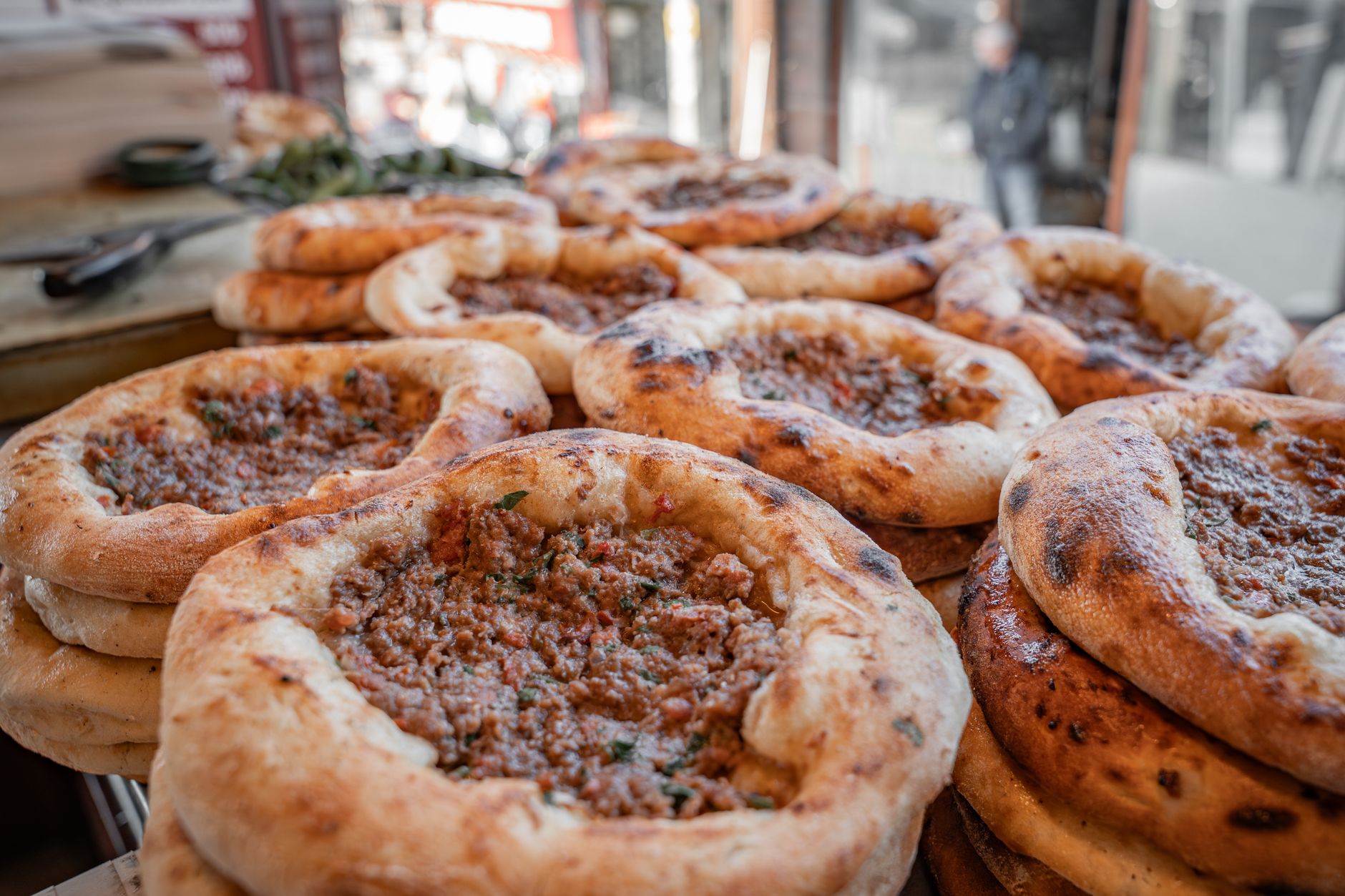
Pita bread is a popular Middle Eastern flatbread known for its unique pocket, making it versatile for a variety of culinary uses. This bread allows you to easily fill it with meats, vegetables, dips, and salads, creating delicious meals or snacks.
Its mild flavor and soft, chewy texture enhance any dish it’s paired with, making it a staple in many households around the world. Below, we explore what pita is, its ingredients, flavor profile, preparation methods, and how to serve it effectively.
What Is Pita?
Pita is a type of round, unleavened flatbread traditionally made with wheat flour. Originating from the Mediterranean region, it has spread globally and is a key component in many cuisines. The most notable characteristic of pita is its ability to puff up during baking, creating a pocket that can hold various fillings.
Ingredients of Pita Bread
The basic ingredients for pita bread are simple and often found in most kitchens. However, variations may exist based on regional recipes or personal preferences. Here is a list of the essential ingredients:
- High-gluten or all-purpose flour – 2 cups (240 grams)
- Warm water – 3/4 cup (180 ml)
- Active dry yeast – 2 teaspoons (7 grams)
- Salt – 1 teaspoon (5 grams)
- Sugar – 1 teaspoon (4 grams)
- Olive oil – 1 tablespoon (15 ml) (optional)
Flavor Profile
Pita has a mild, slightly nutty flavor that serves as an excellent backdrop for various fillings and toppings. The texture is soft and slightly chewy on the bite. When cooked, pita may develop slight crispness on the surface while remaining fluffy inside, particularly if allowed to puff up during baking.
How Is Pita Made?
Making pita bread at home can be a rewarding experience. Below, you’ll find a detailed guide on how to make pita bread from scratch.
Essential Equipment
Before starting, gather the following equipment:
- Mixing bowl
- Measuring cups and spoons
- Dough scraper or spatula
- Rolling pin
- Baking sheet or pizza stone
- Kitchen towel
- Oven
Step-by-Step Method
- In a small bowl, combine warm water, sugar, and dissolved yeast. Allow it to sit for about 5-10 minutes until foamy.
- In a mixing bowl, combine flour and salt. Make a well in the center, then add the yeast mixture and olive oil (if using).
- Stir until the mixture begins to come together as a dough. If needed, add more flour or water to achieve a soft but not overly sticky dough.
- Knead the dough on a lightly floured surface for around 10 minutes or until smooth and elastic.
- Place the kneaded dough in a lightly oiled bowl, cover with a kitchen towel, and let it rise in a warm place for about 1-2 hours, or until it has doubled in size.
- Once the dough has risen, punch it down to remove excess air. Divide it into 8 equal pieces, shape each piece into a ball, and cover with a towel to rest for about 10 minutes.
- Preheat the oven to 475°F (245°C). If using a baking stone, place it in the oven to preheat; if using a baking sheet, line it with parchment paper.
- Roll out each dough ball on a floured surface into a circle about 1/4 inch thick. Aim for a uniform thickness to ensure even cooking.
- Place the rolled dough onto the preheated baking stone or baking sheet. Bake for 3-5 minutes, or until the pita puffs up and has light brown spots. Avoid over-baking.
- Remove the pita from the oven and wrap it in a kitchen towel to keep it warm and soft until serving.
How to Serve Pita Bread
Pita bread can be served in a multitude of ways, enhancing meals or enjoyed as a snack. It’s perfect for various cuisines—Mediterranean, Middle Eastern, and beyond. Here are some popular serving suggestions:
Pita with Dips
Pita bread is often enjoyed with dips such as:
- Hummus – A creamy blend of chickpeas, tahini, olive oil, garlic, and lemon juice.
- Baba Ghanoush – A smoky eggplant dip mixed with tahini, garlic, and olive oil.
- Tzatziki – A refreshing yogurt-based dip with cucumber and garlic.
Pita Sandwiches
Stuff pita pockets with your choice of fillings, such as:
- Grilled chicken or lamb with veggies and sauce.
- Falafel with shredded lettuce, tomatoes, and tahini drizzle.
- Roasted vegetables with feta cheese and olive oil.
Pita Chips
Another delightful option is to make pita chips. Cut pita into triangles, lightly brush with olive oil, sprinkle with seasoning, and bake until crisp. These are perfect for snacking or serving with salsa and guacamole.
Storage and Reheating Tips
Homemade pita bread can be stored effectively to maintain freshness. Here are some guidelines:
Storing Pita Bread
- Cool cooked pita bread completely before storing.
- Wrap individual pitas in plastic wrap or foil and place in a resealable plastic bag. This can be stored at room temperature for up to 2 days.
- For longer storage, place wrapped pitas in the freezer for up to 3 months. Thaw at room temperature before use.
Reheating Pita Bread
- To reheat, place the pita directly on a hot dry skillet for about 30 seconds on each side, or until warmed through.
- Alternatively, wrap in aluminum foil and heat in a 350°F (175°C) oven for 5-10 minutes.
Common Mistakes to Avoid
When making pita bread, there are some common pitfalls to be aware of:
- Not letting the dough rise long enough can result in dense pita.
- Using cold water instead of warm can stall yeast activation.
- Overbaking can lead to dry, brittle pita. Always monitor closely while baking.
Practical Substitutions and Variations
While the traditional pita recipe is quite versatile, you can experiment with substitutions:
- Whole wheat flour can replace all-purpose flour for a healthier, nutty flavor. Use a 1:1 substitution.
- For a gluten-free version, consider using a gluten-free all-purpose flour blend, following package instructions for yeast bread.
- Using yogurt instead of water provides a tangy flavor and may create a softer texture.
Regional Variations of Pita
Pita bread adapts to various cultures, resulting in unique regional variations:
- Lebanese pita is typically thicker and rounder, made with pure white flour.
- Greek pita, known as ‘pita lagana’, often comes flatter and thicker, ideal for gyros.
- Turkish pita, called ‘pide’, is elongated and sometimes topped with ingredients before baking.
Conclusion
Pita bread is an incredibly versatile and accessible food option that goes beyond just flatbread. Whether you’re dipping, stuffing, or snacking, it can elevate your meals in various delightful ways. Making your own pita is not only satisfying but also allows you to customize to your taste with ingredients and fillings you love.
Next time you’re in the kitchen, consider whipping up a batch of pita bread or exploring variations. Also, check out our recipes for cottage cheese flatbread and sourdough naan for more delicious, homemade breads!