
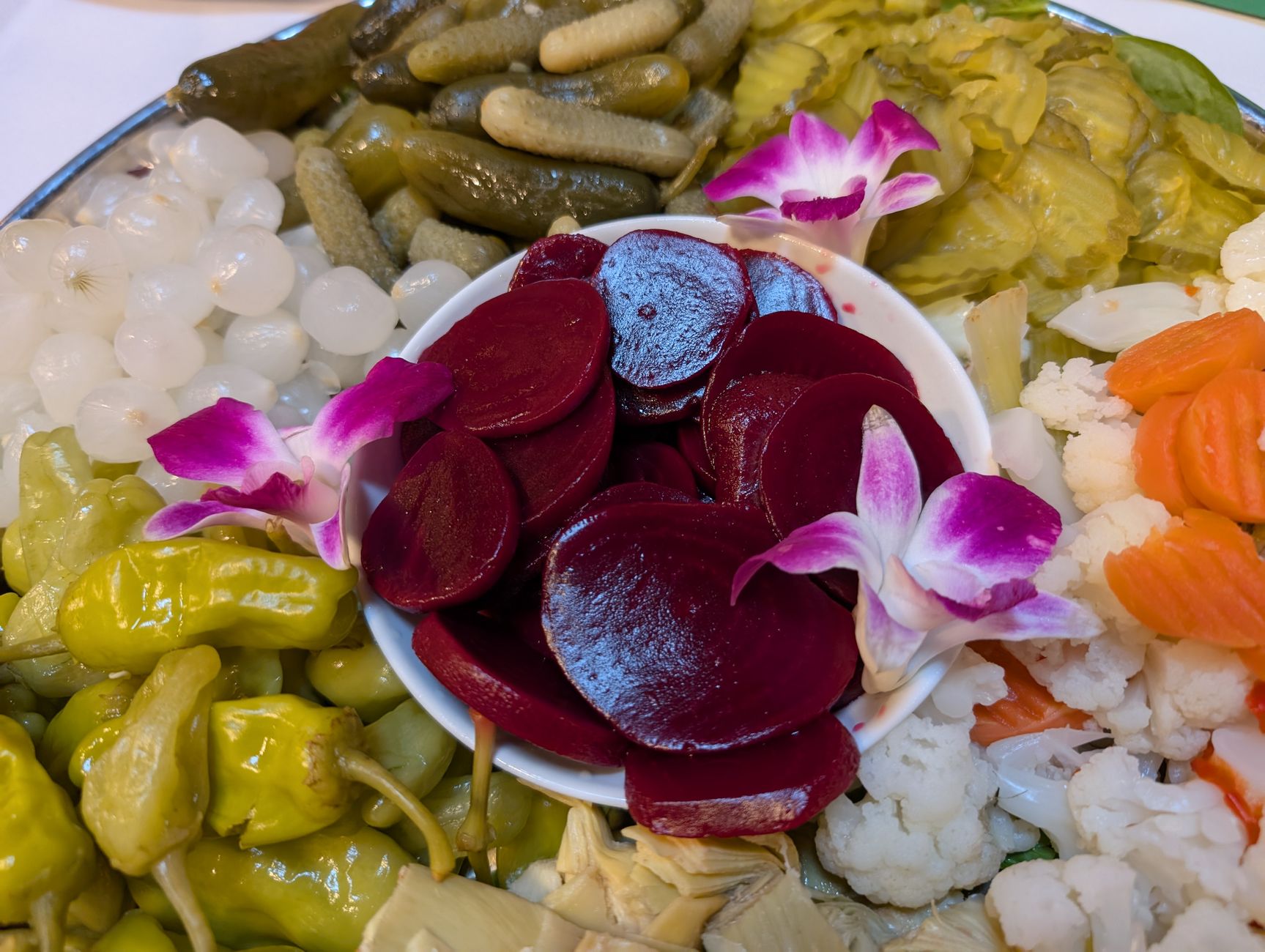
Pickles are a beloved food item that adds zest and crunch to meals across the globe. Typically made from cucumbers, they come in various flavors and styles, from sweet to sour, providing an array of culinary possibilities. These fermented delights not only enhance the taste of several dishes but also offer a unique tangy crunch that elevates even the simplest of meals.
Understanding what pickles are involves delving into their ingredients, flavors, and various serving options. This article will explore their components, how they are made, and the best ways to incorporate them into your meals. Whether you’re a pickle enthusiast or just curious, this guide has something for everyone.
What Are Pickles?
Pickles are cucumbers that have been preserved in a solution of brine, vinegar, or salted water. This process, known as pickling, not only extends the shelf life of the cucumbers but also imbues them with a unique flavor profile. Pickles can be categorized mainly into two types: fermented and quick pickles. Fermented pickles rely on natural bacteria to develop their sour taste, while quick pickles are made using vinegar and require no fermentation.
Ingredients Used in Pickles
The basic ingredient in most pickles is, unsurprisingly, cucumbers. However, the flavorings and preservation methods can greatly vary. Here’s a closer look at what goes into making pickles:
- Cucumbers: The foundation of any pickle is, of course, the cucumber. Smaller varieties, like Persian or Kirby cucumbers, are commonly used due to their crunch and ability to hold up during the pickling process.
- Brine or Vinegar: Most pickles are submerged in a brine solution, which can be as simple as salt and water or include vinegar. The acidity helps preserve the cucumbers and contributes to their tangy flavor.
- Salt: Essential for flavor and preservation, salt is crucial for both quick and fermented pickles.
- Spices and Herbs: Depending on the style of pickling, various herbs and spices may be added to enhance flavor. Common additions include dill, garlic, mustard seeds, peppercorns, and red pepper flakes.
- Sugar: For sweet pickles, sugar is added to balance the vinegar’s acidity and create a fruity flavor profile.
Flavor Profiles of Pickles
The flavor of pickles can range significantly based on their ingredients and preparation methods. Here are some common flavor profiles you might encounter:
1. Sour Pickles
Sour pickles, often associated with traditional dill pickles, have a sharp tanginess that comes from the fermentation process or high vinegar content. They are refreshing and exhilarating, perfect for those who love a strong flavor.
2. Sweet Pickles
Sweet pickles are typically made with added sugar or sweeteners, resulting in a milder taste. They can often taste fruity, making them an excellent pairing for sandwiches or as a snack on their own.
3. Spicy Pickles
Incorporating ingredients like jalapeños or red pepper flakes can lead to spicy pickles that add heat to the palate. These are particularly popular among those who enjoy a kick in their snacks.
4. Dill Pickles
Dill pickles are characterized by the inclusion of fresh or dried dill weed, giving them an earthy, herbaceous flavor. They often complement sandwiches and burgers beautifully.
5. Bread and Butter Pickles
This type of pickle blends sweetness with tang, with a unique combination of vinegar, sugar, and spices. Popular in the southern United States, these pickles are often enjoyed in sandwiches or on their own.
How to Serve Pickles
Pickles are incredibly versatile and can be enjoyed in a multitude of ways. Here are some popular serving suggestions:
1. As a Condiment
Pickles make a fantastic complement to a variety of dishes. They can add a punch of flavor to sandwiches, burgers, hot dogs, and wraps. Simply slice or serve whole alongside your favorite sandwich or spread.
2. In Salads
Chopped pickles can be a great addition to salads, adding crunch and acidity. They work particularly well in potato salads, coleslaw, and bean salads. Their vibrant flavor can elevate a disjointed blend of ingredients.
3. On Charcuterie Boards
When hosting friends or family, pickles are a fantastic option for charcuterie boards. Their bright flavors pair well with various meats, cheeses, and crackers, providing balance to rich flavors.
4. As a Snack
Pickles can be enjoyed independently as a healthy snack. They’re low in calories and offer a satisfying crunch, making them an excellent choice for a quick bite.
5. In Dishes
Pickles can be incorporated into various recipes, from pasta salads to sautés. Their unique flavors can enhance dishes in unexpected ways, making them an exciting ingredient to experiment with in your cooking.
Types of Pickles: Exploring Variations
Now that you know the basics of what pickles are, it’s essential to explore the various types of pickles available. Each region and culture has its unique style, flavor, and preparation method. Here are some noteworthy varieties:
1. Dill Pickles
Predominantly seasoned with dill weed, garlic, and other spices, dill pickles are a staple in American cuisine. They can be either refrigerated or canned for preservation.
2. Kosher Pickles
Kosher pickles are a specific type of dill pickle that is made according to Jewish dietary laws. They often contain more garlic and are typically fermented rather than preserved in vinegar.
3. Gherkins
Also known as cornichons, gherkins are small, tart pickles commonly served with pâté or charcuterie. They are often sweetened with sugar and flavored with herbs.
4. Pickled Vegetables
Besides cucumbers, a variety of vegetables can be pickled. Carrots, radishes, onions, and beets are popular choices, often providing vibrant colors and unique flavors to dishes.
5. Asian Pickles
In many Asian cuisines, pickles are an integral part of meals. Japanese tsukemono are often served with rice, while Korean kimchi consists of fermented vegetables with spices. These pickles typically have a distinct flavor profile driven by fermentation and unique spices.
Making Your Own Pickles
Creating your own pickles is a fulfilling endeavor and allows for customization to fit your personal taste preferences. Here’s a straightforward overview of how to make quick pickles at home:
- Ingredients: Cucumbers, vinegar, water, salt, sugar (optional), and your choice of spices (like dill, garlic, and mustard seeds).
- Equipment: A clean glass jar with a lid, a mixing bowl, and a measuring cup.
Quick Pickle Recipe
- Start by preparing your cucumbers. Wash and slice them into your preferred shape (spears, slices, or whole).
- In a mixing bowl, combine vinegar, water, salt, and sugar (if using). Stir until the salt and sugar are dissolved.
- Add your chosen spices to the jar. Layer your sliced cucumbers on top.
- Pour the brine over the cucumbers, ensuring they are fully submerged. Seal the jar tightly.
- Allow the pickles to sit in the refrigerator for at least 24 hours. For optimal flavor, wait up to a week before enjoying.
Common Mistakes When Making Pickles
When making pickles, it’s essential to pay attention to certain factors to enhance your results:
- Incorrect Salt Ratio: Whether making quick or fermented pickles, using the wrong amount of salt can impact the flavor and preservation. Follow recipes closely for best results.
- Skipping the Sterilization: Always sterilize jars and lids before storing your pickles to avoid contamination and ensure shelf stability.
- Inadequate Brine Exposure: Ensure that pickles are fully submerged in the brine solution to prevent spoilage. Use weights if necessary.
- Poor Quality Ingredients: Use fresh, high-quality cucumbers and spices for the best flavor and texture in your pickles.
Storage and Shelf Life of Pickles
Understanding how to store pickles correctly is crucial for preserving their quality and extending their shelf life. Here’s a guide:
- Refrigerated Pickles: Quick pickles can be stored in the refrigerator for up to a month. Ensure they remain submerged in brine for best preservation.
- Canned Pickles: If sealed properly, canned pickles can last for up to one year in a cool, dark place.
- Opened Jars: Once opened, it’s best to consume pickles within 2-3 months, keeping them refrigerated. Always ensure proper closure between servings.
Culinary Uses and Recipes Featuring Pickles
Pickles can be used creatively in various recipes. Here are a few ideas:
- Potato Salad: Chop pickles and mix them into potato salad for added zing.
- Pickle-Brined Fried Chicken: Use pickle juice to brine chicken for a tangy flavor twist before frying.
- Vegan Pickle Dip: Blend cream cheese, chopped pickles, and spices for a delightful dip.
By making pickles a part of your culinary repertoire, you can easily elevate everyday dishes while providing a fun and unique taste experience.
In summary, pickles are a versatile and dynamic addition to many meals, whether you enjoy them as a condiment or as a standalone snack. Making your own allows you to experiment with flavors and tailor recipes to your liking. With their vibrant flavors and crunchy texture, pickles are more than just a side; they’re a culinary adventure waiting to happen.
For those looking to explore different pickle recipes, consider checking out our detailed guides on half-sour pickles and sweet pickles. There’s a whole world of flavor to discover!