
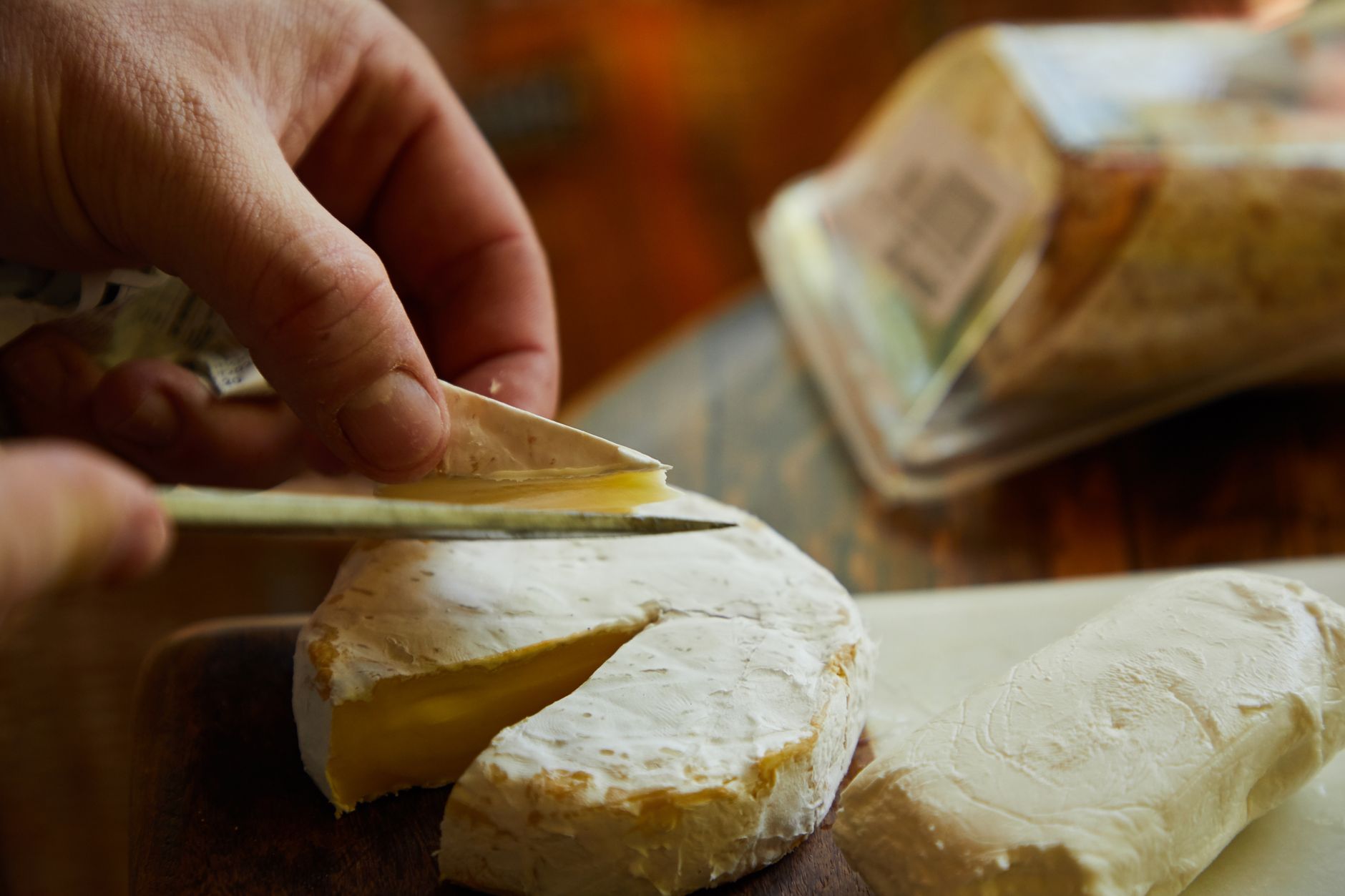
Sliced cheese is a popular ingredient in many households, providing a quick and tasty addition to sandwiches, salads, and snacks. However, knowing how long sliced cheese stays fresh is crucial for food safety and minimizing waste.
This article will explore the freshness of sliced cheese, proper storage methods, and helpful tips for extending its shelf life. Understanding these concepts will allow you to enjoy your cheese at its best without unnecessary spoilage.
How Long Is Sliced Cheese Good For?
Sliced cheese can generally remain good for about 5 to 7 days after opening, provided it is stored correctly. The expiration date can vary based on the type of cheese, its packaging, and how well you store it. Always check for signs of spoilage before consumption to ensure safety.
Types of Sliced Cheese and Their Shelf Lives
Different types of sliced cheese have various shelf lives due to their moisture content, fat content, and pasteurization processes. Here’s a look at some common types of sliced cheese and how long they typically last:
- American Cheese: 2 to 3 weeks unopened; 5 to 7 days after opening.
- Cheddar Cheese: 2 to 4 weeks unopened; 5 to 7 days after opening.
- Swiss Cheese: 2 to 3 weeks unopened; 5 to 7 days after opening.
- Provolone Cheese: 2 to 3 weeks unopened; 5 to 7 days after opening.
- Gouda Cheese: 1 to 2 weeks unopened; 4 to 7 days after opening.
- Mozzarella Cheese: 1 week unopened; 3 to 5 days after opening.
Signs of Spoiled Sliced Cheese
Identifying spoilage in sliced cheese is vital for ensuring safety and preventing food waste. Here are some common signs to look for:
- Off Smell: If the cheese has an unusual or sour odor, it’s best to discard it.
- Mold Growth: If you notice mold on the slices, especially if it’s not part of the cheese type (like blue cheese), it’s a sign of spoilage.
- Texture Changes: Cheese that becomes excessively slimy or overly dry should be discarded.
- Discoloration: Any dark spots or a change in color can indicate spoilage.
Proper Storage Methods for Sliced Cheese
How you store sliced cheese can significantly impact its shelf life. Here are some recommended storage methods:
Using the Original Packaging
If the cheese is still in its original packaging, it is best to keep it that way. The packaging is designed to keep the cheese fresh. Make sure to seal it tightly after each use to maintain freshness.
Rewrapping Sliced Cheese
If you have opened the package and the cheese is not resealable, you can rewrap it to extend its shelf life:
- Use parchment paper or wax paper to wrap each slice individually.
- Then, place the wrapped slices in an airtight container or a resealable plastic bag.
- Make sure to squeeze out any excess air before sealing the bag.
Temperature Considerations
Sliced cheese should be stored in the refrigerator, ideally in the cheese compartment if your fridge has one. Keep it at a temperature of 34°F to 40°F (1°C to 4°C) to maintain optimal freshness.
Freezing Sliced Cheese
If you cannot use the cheese within the recommended time frame, freezing it can be an option:
- Wrap slices individually in plastic wrap or wax paper.
- Place the wrapped slices in a freezer-safe bag or container.
- Label and date the bag, and freeze for up to 2 months.
Keep in mind that freezing may change the texture of cheese, making it more suitable for cooking or melting rather than eating raw.
How to Safely Thaw Frozen Sliced Cheese
When you’re ready to use your frozen sliced cheese, thawing it properly is essential:
- Transfer the cheese from the freezer to the refrigerator and let it thaw overnight.
- Avoid thawing cheese at room temperature, as it can promote bacterial growth.
- Once thawed, consume the cheese within a few days for the best quality.
Tips for Extending Shelf Life
Here are some additional tips to help you keep your sliced cheese fresher for longer:
- Avoid Contamination: Always use clean utensils to handle cheese to prevent cross-contamination.
- Monitor Storage Time: Write the date of opening on the package to track how long it has been stored.
- Keep Cheese Separate: Store cheese away from strong-smelling foods to prevent flavor absorption.
Common Uses for Sliced Cheese
Sliced cheese is incredibly versatile and can be used in a variety of dishes. Here are some popular ways to enjoy it:
- Sandwiches: A classic staple for lunch, sliced cheese adds flavor and creaminess to sandwiches.
- Cheese Boards: Include sliced cheese on a cheese board with meats, fruits, and nuts for an elegant appetizer.
- Melts: Use sliced cheese in grilled cheese sandwiches or as a topping for burgers.
- Snacks: Combine sliced cheese with crackers for an easy and satisfying snack.
Frequently Asked Questions About Sliced Cheese
Here are some common questions regarding sliced cheese and its storage:
Can I eat sliced cheese after the expiration date?
While it might be safe to eat cheese shortly after the expiration date, it’s always best to check for signs of spoilage before consuming.
Can sliced cheese be left out for too long?
Sliced cheese should not be left out at room temperature for more than two hours. Bacteria can grow quickly in warm environments.
What can I do with leftover cheese slices?
Leftover cheese can be used in various recipes, including casseroles, omelets, and pasta dishes. Alternatively, consider making cheese sauce for toppings or dipping.
Conclusion
Understanding how long sliced cheese is good for, along with proper storage techniques, can help you enjoy this delicious ingredient to the fullest. By checking for spoilage signs and adhering to recommended storage methods, you can ensure your sliced cheese remains fresh and safe to eat.
If you want to learn more about food storage or discover delicious recipes, explore our guides on how long cottage cheese lasts or find more delicious ideas at this detailed guide on sliced cheese.