
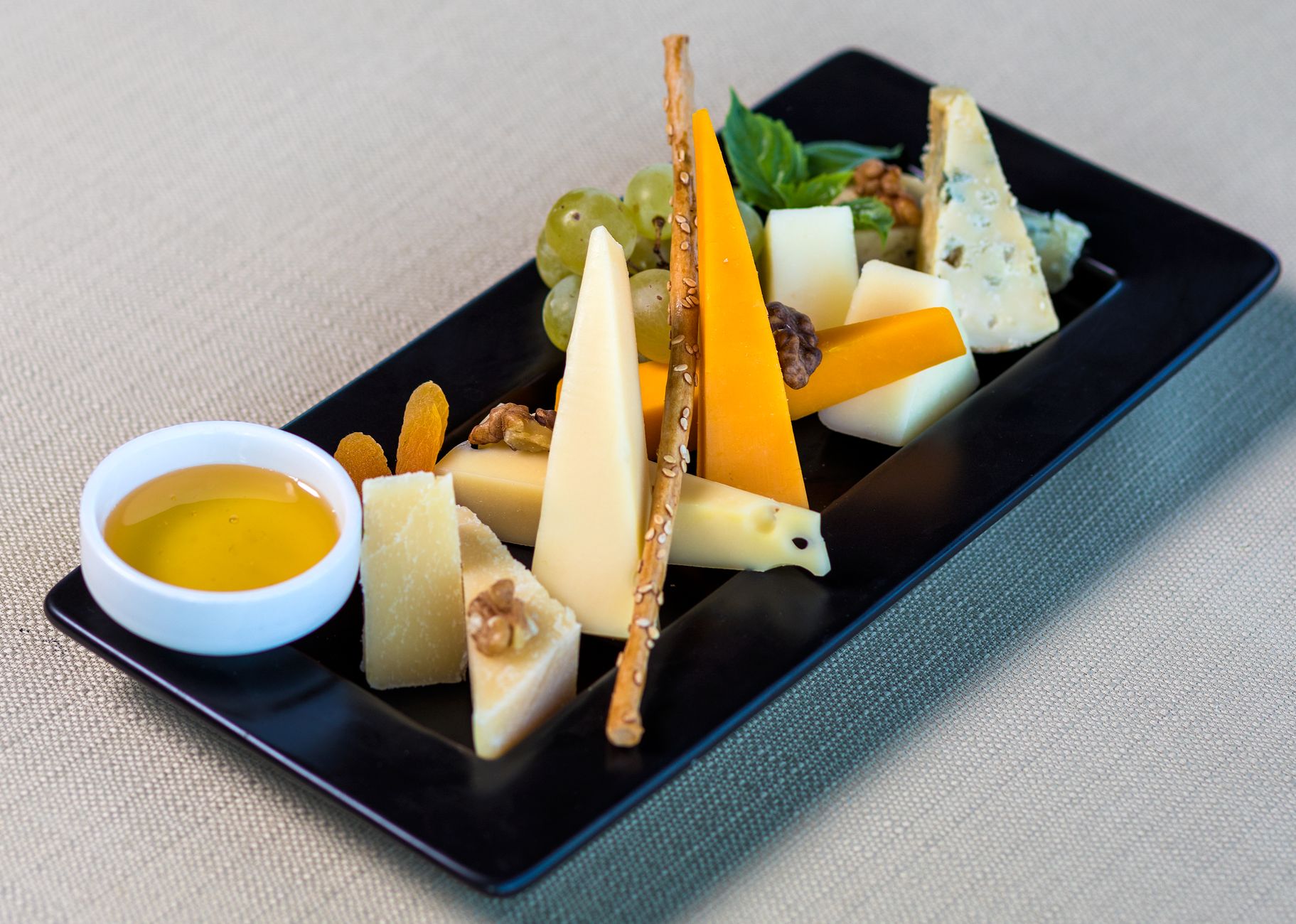
Goat cheese and cow cheese are popular choices for cheese lovers around the world, each bringing unique flavors, textures, and culinary applications to the table. While some may swear by the tangy richness of goat cheese, others prefer the creaminess of cow cheese. But is one truly better than the other? This article will explore the key differences between goat cheese and cow cheese, helping you make informed decisions about which one suits your palate and nutritional needs.
From taste and texture to nutritional content and culinary uses, each cheese has its attributes. We’ll delve into the characteristics of both types of cheese, compare their health benefits, and discuss how to incorporate them into your meals, ultimately arming you with the knowledge to choose between goat cheese and cow cheese for your next culinary adventure.
Is Goat Cheese Better Than Cow Cheese?
Determining whether goat cheese is better than cow cheese depends on personal preferences and dietary requirements. Goat cheese is often lower in fat and calories, while cow cheese offers a wider variety of flavors. The best choice ultimately depends on your taste and nutritional goals.
Flavor and Texture Differences
Both goat cheese and cow cheese can be enjoyed in various forms, from soft and spreadable options to hard and aged varieties. Understanding their flavor and texture profiles will help you decide which cheese suits your preferences.
Flavor Profiles
- Goat Cheese: Goat cheese, or chèvre, is known for its distinct tangy flavor. The high acidity level gives it a fresh, zesty taste that can range from mild to strong, depending on the aging process.
- Cow Cheese: Cow cheese encompasses a wide range of flavors, from mild and creamy to sharp and pungent. Options like mozzarella, cheddar, and gouda showcase the diversity found in cow cheese.
Texture Variations
- Goat Cheese: Typically softer and creamier than cow cheese, goat cheese can be spread easily. The texture varies from fresh and crumbly to rich and creamy when aged.
- Cow Cheese: The texture of cow cheese varies greatly, with options such as soft ricotta and creamy brie to hard parmesan and aged cheddar, offering a range of culinary uses.
Nutritional Comparison
Nutritional content is a significant factor to consider when choosing between goat cheese and cow cheese. Below is a breakdown of some of the main nutritional aspects of each type.
Calories and Fat Content
While nutritional values can vary by brand and style, here is a general comparison:
| Nutrient | Goat Cheese (1 oz) | Cow Cheese (1 oz) |
|---|---|---|
| Calories | 75 | 100 |
| Total Fat | 6 g | 8 g |
| Saturated Fat | 4 g | 5 g |
| Protein | 5 g | 6 g |
Lactose Content
Goat cheese typically contains lower levels of lactose than cow cheese, making it a better choice for those who are lactose intolerant. Many people find they can digest goat cheese without discomfort, while cow cheese may cause issues for those with lactose sensitivity.
Vitamins and Minerals
Both types of cheese provide valuable nutrients:
- Goat Cheese: Rich in vitamin A, vitamin K, calcium, and potassium, goat cheese also contains higher levels of probiotic bacteria, which promotes gut health.
- Cow Cheese: Also a good source of calcium and vitamin A, cow cheese provides additional nutrients like vitamin B12 and phosphorus, contributing to healthy bones and overall well-being.
Culinary Uses
Knowing how to use each type of cheese in cooking can enhance your dishes. Below are ideal applications, pairings, and tips for using goat cheese and cow cheese.
Using Goat Cheese in Cooking
- Salads: Its tangy flavor pairs well with greens, fruits, and nuts. Crumbled goat cheese can elevate a simple salad.
- Spreadable Appetizer: Goat cheese works beautifully as a spread on crusty bread, crackers, or vegetables. Serve it with honey or fig preserves for a delightful contrast.
- Pasta and Pizza: Goat cheese can be blended with other ingredients in pasta dishes or used as a topping for pizzas, adding richness and tang.
- Soups: Stir goat cheese into soups for added creaminess. It complements roasted vegetables and can replace cream in certain recipes.
Using Cow Cheese in Cooking
- Variety of Dishes: Cow cheese can be used in every course, from appetizers to desserts. Mozzarella is great in salads, while cheddar works well in casseroles.
- Grating: Hard cow cheeses like parmesan are ideal for grating over pasta, salads, and soups.
- Baking: Many baked goods like quiches and savory pastries benefit from cow cheese, adding flavor and moisture.
Pairing Suggestions
The right pairings can enhance the flavors of both goat cheese and cow cheese, bringing their unique tastes to the forefront. Here are some excellent pairing ideas:
Pairings for Goat Cheese
- Fruits: Fresh fruits like figs, pears, and strawberries complement the tangy flavor of goat cheese.
- Nuts: Walnuts, hazelnuts, and pistachios provide a nice crunch and nutty flavor that balances goat cheese’s creaminess.
- Herbs: Fresh herbs like thyme, basil, and chives enhance goat cheese’s earthy profile.
Pairings for Cow Cheese
- Meats: Cow cheese pairs well with cured meats like prosciutto, salami, and chorizo.
- Vegetables: Roasted vegetables and grilled squash work alongside the rich flavors of cow cheese.
- Breads: Crusty loaves, baguettes, or flatbreads make the perfect vehicles for enjoying cow cheese.
Common Uses and Recipe Ideas
Whether you’re using goat cheese or cow cheese, there’s no shortage of recipes and meal ideas to explore. Below are a few suggestions to inspire your culinary creativity.
Goat Cheese Recipe Ideas
- Goat Cheese Salad: Combine mixed greens with crumbled goat cheese, walnuts, sliced fruits, and a vinaigrette dressing for a refreshing and nutritious salad.
- Stuffed Peppers: Mix goat cheese with herbs and quinoa, then stuff into bell peppers for a healthy dish baked until soft.
- Goat Cheese Tart: Use puff pastry as a base, fill with goat cheese, eggs, and vegetables, and bake until golden for a savory tart.
Cow Cheese Recipe Ideas
- Classic Mac and Cheese: Use a blend of cow cheeses like cheddar and mozzarella for a creamy, comforting dish.
- Pizza: Top a pizza crust with your favorite cow cheese varieties and toppings for a delicious homemade pizza.
- Cheese Platter: Create a cheese board featuring various cow cheeses, cured meats, fruits, and nuts for an impressive appetizer.
Dietary Considerations and Allergies
When choosing between goat cheese and cow cheese, it’s essential to consider your dietary restrictions or preferences:
Lactose Intolerance
If you are lactose intolerant, goat cheese may be easier to digest. However, individuals with severe lactose intolerance should consult a healthcare professional before consuming dairy products.
Fat and Calorie Intake
For those watching their fat and calorie intake, goat cheese is often lower in both compared to many cow cheese varieties. Choose low-fat alternatives or moderation to meet your dietary goals.
Vegan Options
If you follow a vegan diet, neither goat cheese nor cow cheese will suit your requirements, as both are animal-derived products. However, numerous plant-based cheese alternatives exist using nuts, soy, or coconut milk. These can mimic the flavors and textures of goat or cow cheese.
Conclusion
This exploration of goat cheese and cow cheese reveals both types have their distinct qualities and culinary applications. Goat cheese stands out for its tanginess, lower calorie count, and lactose content, while cow cheese offers a wide variety of flavors and textures to choose from. When deciding between the two, consider your taste preferences, dietary needs, and the dishes you plan to create.
As you embark on your journey of selecting the perfect cheese for your next meal, keep these differences in mind. Explore the world of flavors and pairings that both goat cheese and cow cheese provide. Whichever cheese you choose, you’re in for a delightful culinary experience.
For more recipes and tips, check out our cottage cheese dip recipe or try our cottage cheese brownie recipe for delightful options that feature versatile cheese as a key ingredient.