
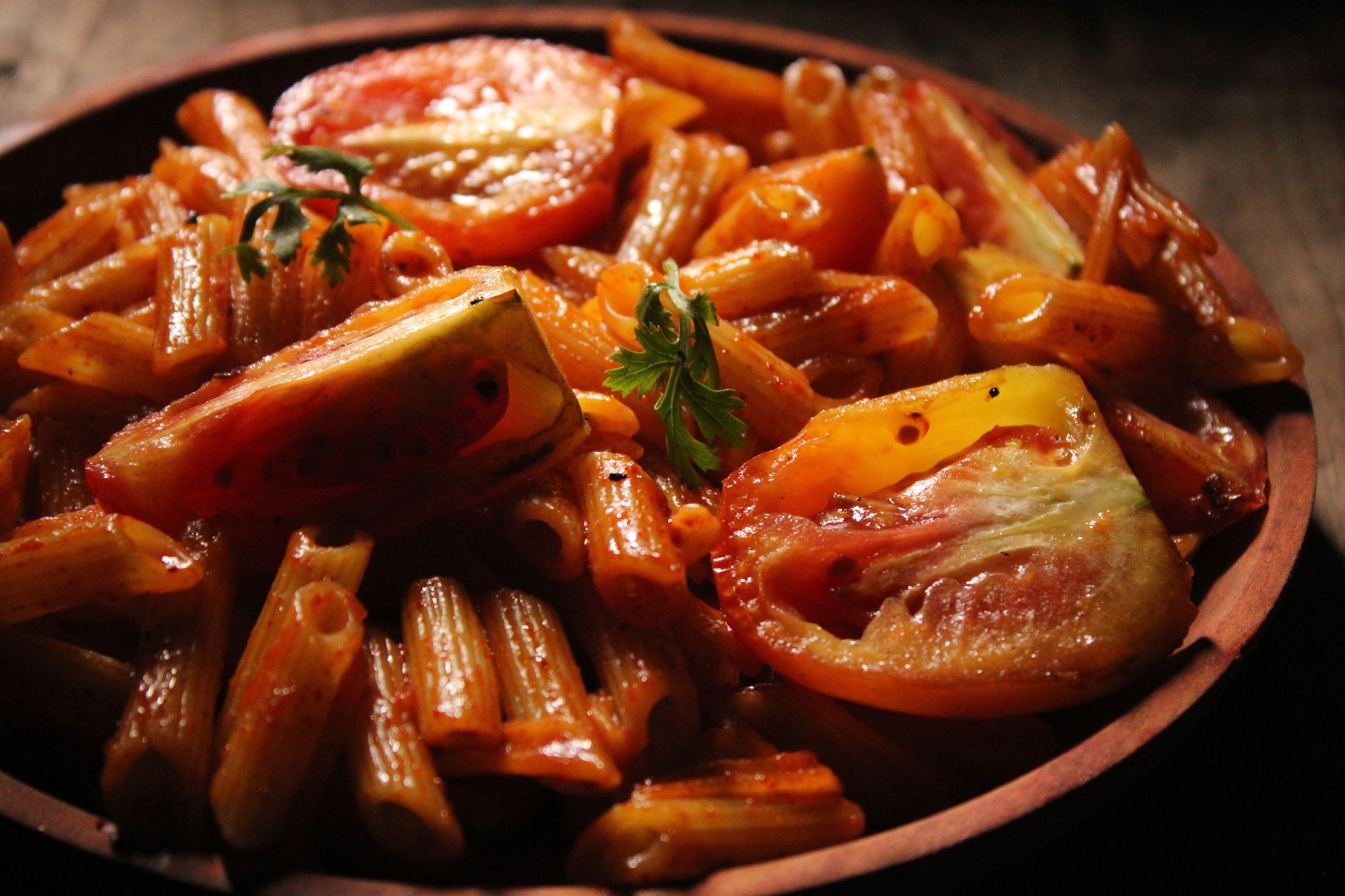
Pasta Pomodoro is a beloved Italian dish known for its simplicity and vibrant flavors. The name “Pomodoro” translates to “tomato” in Italian, indicating that tomatoes are the star ingredient of this dish. With its fresh and zesty sauce coated over perfectly cooked pasta, it exemplifies how high-quality ingredients can create a delightful meal.
This dish is a staple in Italian cuisine, often enjoyed for its straightforward preparation and minimalistic ingredient list. It is an ideal choice for those looking to prepare a quick yet satisfying meal, whether for a casual family dinner or a fancy gathering.
What Is Pasta Pomodoro?
Pasta Pomodoro is a simple pasta dish made primarily with spaghetti, a light tomato sauce, fresh basil, garlic, and olive oil. It highlights the natural sweetness of ripe tomatoes and is often garnished with grated Parmesan cheese. The dish embodies the philosophy of Italian cooking — emphasizing fresh, seasonal ingredients while keeping preparations straightforward.
Ingredients of Pasta Pomodoro
To make authentic Pasta Pomodoro, you will need the following ingredients. The quality of each ingredient significantly impacts the flavor of the final dish.
- Pasta: Traditionally, spaghetti is used, but you can also experiment with other pasta types like linguine or fettuccine.
- Tomatoes: Fresh, ripe tomatoes are preferred for the sauce. Roma or San Marzano tomatoes work exceptionally well. Alternatively, you can use canned whole tomatoes.
- Garlic: Two to three cloves, minced, to add flavor.
- Olive oil: Extra virgin olive oil is recommended for its rich flavor.
- Basil: Fresh basil leaves, torn or chopped, to add aroma and taste.
- Salt: To season the sauce and pasta.
- Parmesan cheese: Grated for serving, enhancing the dish’s richness.
Optional Ingredients
While the above ingredients are the essentials, you can consider these optional ingredients to elevate your Pasta Pomodoro:
- Red pepper flakes: For those who enjoy a little heat.
- Onion: Finely chopped onion can be sautéed with garlic for a deeper base flavor.
- Carrot: A small grated carrot can add natural sweetness to the sauce.
Taste Profile of Pasta Pomodoro
The taste of Pasta Pomodoro is characterized by its bright and fresh flavors. The tomatoes provide natural sweetness, balanced by a pinch of salt and the fragrant basil. Garlic adds depth and a savory note, while the olive oil brings richness and smoothness to the dish.
When prepared correctly, Pasta Pomodoro should taste light, refreshing, and comforting. The elements of the dish work together harmoniously without overpowering one another. The dish is not meant to be overly complex, allowing the pure flavors of its ingredients to shine through.
Culinary Uses of Pasta Pomodoro
Pasta Pomodoro is versatile and can fit into various culinary contexts. Here are some common ways it can be enjoyed:
Casual Family Meals
The simplicity and ease of preparation make Pasta Pomodoro perfect for weeknight dinners. It can be ready in under 30 minutes, making it a convenient option for busy families.
Elegant Dinner Parties
This dish can be elevated with presentation techniques such as twirling the pasta on a fork and garnishing with fresh basil and a sprinkle of Parmesan cheese. Serve it with a side salad and Italian bread to create a well-rounded dining experience.
Meal Prep and Leftovers
Pasta Pomodoro can be made in larger quantities and stored for later use. It is an excellent dish for meal prep, as it reheats well. It can be enjoyed as a quick lunch or dinner option throughout the week.
How to Make Pasta Pomodoro
Making Pasta Pomodoro is a simple process that can be accomplished in a few straightforward steps. Below is a detailed method to prepare this delicious dish.
Preparation and Cooking Times
- Yield: Serves 4
- Preparation time: 10 minutes
- Cooking time: 15-20 minutes
- Total time: 25-30 minutes
Essential Equipment
- Large pot for boiling pasta
- Skillet or saucepan for making the sauce
- Knife and cutting board for preparing ingredients
- Colander for draining pasta
- Serving plates
Method
- Start by boiling water in a large pot. Add a generous amount of salt to the water before adding your pasta. Cook the pasta according to the package instructions until al dente. Reserve about 1 cup of pasta water before draining.
- While the pasta is cooking, heat a skillet over medium heat and add 2-3 tablespoons of extra virgin olive oil.
- Add the minced garlic to the skillet and sauté for about 1-2 minutes, until fragrant but not browned.
- If using fresh tomatoes, chop them into small pieces or if using canned tomatoes, crush them with your hands into the skillet. Add a pinch of salt, and cook for about 5-7 minutes, letting the tomatoes break down and form a sauce.
- Once the sauce is ready, add the cooked pasta directly into the skillet. Toss to combine, adding reserved pasta water as necessary to achieve your desired sauce consistency.
- Remove from heat and mix in torn fresh basil leaves. Adjust seasoning with salt as needed.
- Serve immediately with grated Parmesan cheese on top and additional basil for garnish, if desired.
Practical Substitutions and Variations
If you’re missing some ingredients or want to customize Pasta Pomodoro, consider these substitutions and variations:
Ingredient Substitutions
- Pasta: Substitute spaghetti with gluten-free pasta or whole wheat pasta for a healthier option.
- Tomatoes: If fresh tomatoes are unavailable, use canned diced tomatoes, crushed tomatoes, or even tomato puree.
- Basil: While fresh basil is ideal, you can use dried basil in a pinch, but reduce the amount (about 1 teaspoon as a substitute for fresh).
Variations
- Pasta alla Caprese: Add chunks of fresh mozzarella for a creamier texture and additional flavor similar to a Caprese salad.
- Vegetable Infusion: Incorporate sautéed vegetables like zucchini, bell peppers, or spinach into the sauce for added nutrition.
- Protein Additions: Add grilled chicken, shrimp, or sausage for those looking to add protein to their meal.
Common Mistakes and Troubleshooting
Even though Pasta Pomodoro is straightforward to make, certain common mistakes can detract from its flavor:
Overcooking the Pasta
Be sure to cook the pasta until it is al dente. If overcooked, it can turn mushy and less enjoyable. Always reserve some pasta water for adjustments.
Using Low-Quality Ingredients
Since Pasta Pomodoro is simple, each ingredient should be of high quality. Opt for ripe, in-season tomatoes and good olive oil for the best results.
Skipping the Seasoning
Don’t forget to season your sauce well. A pinch of salt can elevate the flavors and help highlight the freshness of the ingredients.
Serving Suggestions
Pasta Pomodoro is delightful on its own, but pairing it with various dishes can create a more fulfilling meal. Consider serving the following alongside:
- Garlic bread or bruschetta for an Italian bread option.
- Side salads, such as a mixed greens salad with a light vinaigrette.
- A light white or rosé wine complements the dish nicely.
Make-Ahead Guidance
Pasta Pomodoro can be prepared in advance, making it a great choice for meal prep. Cook the pasta and sauce separately, and store them in airtight containers. When ready to serve, simply combine them and heat gently on the stovetop. The dish will keep well in the refrigerator for 3-4 days. Reheat gently over medium heat, adding a splash of reserved pasta water if needed to loosen the sauce.
Storage and Reheating
Leftover Pasta Pomodoro can be stored in airtight containers in the refrigerator for 3-5 days. If you need to store it longer, consider freezing it for up to 3 months. To reheat, thaw overnight in the refrigerator and gently heat in a skillet over medium heat, adding reserved pasta water if the sauce is too thick.
Pasta Pomodoro epitomizes the beauty of Italian cooking, celebrating the use of simple, quality ingredients. It is satisfying and versatile, making it suitable for different occasions and preferences. With a few basic techniques, anyone can replicate this delicious dish at home.
For a delicious homemade sauce, check out this Pomodoro sauce recipe. If you’re curious about the components that make up pasta itself, learn more about what pasta is made of.