
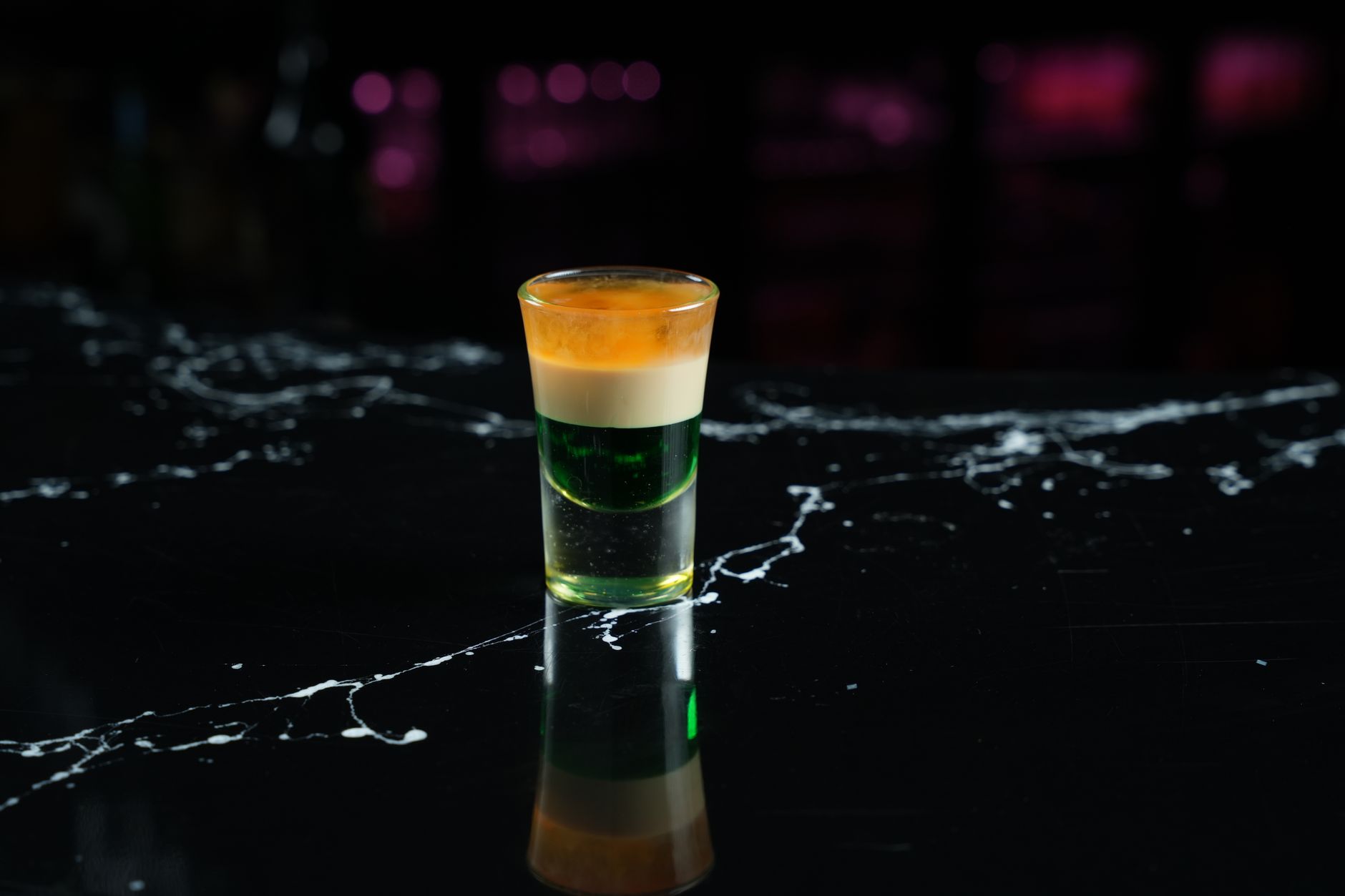
Baileys Irish Cream is a popular liqueur known for its rich flavor and indulgent texture. Made from a blend of Irish whiskey, cream, and other flavoring agents, it serves as a versatile ingredient in cocktails, desserts, and even coffee. One of the key nutritional components of Baileys is its sugar content, which can significantly influence its taste and caloric density.
This article will explore how much sugar is typically found in Baileys, discuss its nutrition facts, serving sizes, and offer insights into how this sugary liqueur fits into different dietary preferences. Whether you’re looking to sip on it straight, incorporate it into a recipe, or simply understand its nutritional content, this guide will provide the information you need.
How Much Sugar in Baileys?
One ounce (30 ml) of Baileys Irish Cream contains approximately 6.5 grams of sugar. This sugar content is high, reflecting the liqueur’s sweet profile. Understanding this aspect is essential, especially for those monitoring their sugar intake or incorporating Baileys into recipes or mixed drinks.
Nutritional Facts of Baileys Irish Cream
To fully appreciate Baileys, it’s important to look beyond sugar content to understand other nutritional aspects. The following table summarizes the key nutritional facts of Baileys Irish Cream per 1.5 ounces (44 ml), which is a typical serving size.
| Nutrient | Amount per Serving (44 ml) |
|---|---|
| Calories | 140 |
| Total Fat | 6 g |
| Carbohydrates | 13 g |
| Sugars | 8 g |
| Protein | 1 g |
| Alcohol by Volume (ABV) | 17% |
The Role of Sugar in Baileys
The sugar content in Baileys plays a crucial role in creating its signature creamy texture and taste. The sweetness complements the whiskey and cream, creating a balanced profile that is both indulgent and smooth. Here are a few points to consider regarding sugar’s role in this liqueur:
- Flavor Enhancement: Sugar is essential for enhancing the flavors of the cream and whiskey, making the drink more palatable.
- Texture: The sugar helps to create a luxurious mouthfeel that is characteristic of creamy liqueurs.
- Alcohol Perception: A higher sugar content can mask the burn of alcohol, making the drink easier to enjoy for those who may not prefer stronger spirits.
How Baileys Fits into Different Diets
Understanding the sugar content and overall caloric value is especially critical for individuals following particular diet plans. Here are some insights for various dietary preferences:
For the Sweet Tooth
If you enjoy sweet beverages and desserts, Baileys fits right into your palate. It can be used in various recipes, from cocktails to desserts, where the sweetness contributes positively to the overall flavor. However, moderation is key, given the sugar content.
Low-Carb and Keto Diets
For those following a low-carbohydrate or ketogenic lifestyle, the sugar content in Baileys can be a drawback. With 8 grams of sugar per serving, it may not fit into daily carbohydrate limits. As a suitable alternative, consider using sugar-free cream liqueurs or creating a homemade version using a low-carb sweetening agent.
Diabetes Considerations
Individuals with diabetes should approach Baileys with caution due to its sugar content. It’s advisable to monitor blood sugar levels and possibly limit intake. Alternatives or reductions in serving sizes can help manage sugar consumption more effectively.
Using Baileys in Recipes
Incorporating Baileys Irish Cream into your recipes can elevate the flavor profile of both drinks and desserts. Here are some practical ways to use Baileys:
Cocktails and Beverages
Baileys can be enjoyed in a variety of cocktails. Here are a couple of popular ideas:
- Baileys Irish Coffee: Combine hot coffee, a shot of Baileys, and top with whipped cream. It’s a warm, comforting beverage perfect for cold nights.
- Mudslide: Blend Baileys with vodka and Irish cream for a luscious dessert drink.
Desserts
Not only is Baileys a delightful beverage, but it’s also a fantastic ingredient in the kitchen. Here are some dessert ideas:
- Baileys Chocolate Mousse: Incorporate Baileys into whipped cream and chocolate to make a rich mousse.
- Baileys Cheesecake: A classic cheesecake enriched with the flavors of Baileys offers a sweet, creamy taste that’s hard to resist.
Baking
Baileys can be used in baking for unique flavor enhancements:
- Baileys Cupcakes: Include Baileys in your cupcake batter for a rich cake, or add it to your frosting for a cream-filled delight.
- Baileys Tiramisu: Use as a flavor component in traditional tiramisu for an adult twist.
Practical Tips for Using Baileys
When working with Baileys, here are some helpful tips:
- Chill Before Serving: Keep Baileys refrigerated for optimal flavor and texture.
- Manage Heat Sensitivity: Avoid exposing Baileys to heat as it can cause the cream to curdle.
- Flavor Pairings: Baileys pairs well with coffee, chocolate, vanilla, and caramel.
Common Mistakes to Avoid
To enhance the experience of using Baileys, it’s essential to avoid a few common mistakes:
- Don’t cook at high temperatures, as this can ruin the cream’s texture.
- Avoid using Baileys in recipes that require substantial heating.
- Don’t forget to account for the sugar content and adjust other sweeteners in your recipe accordingly.
Storage of Baileys
To maintain the quality of Baileys, proper storage is crucial:
- Refrigeration: Baileys should be stored in the refrigerator after opening to maintain its creamy consistency and flavor.
- Shelf Life: Once opened, it is best to consume Baileys within six months for optimal freshness.
- Inspect Before Use: Always check for any changes in aroma or texture before use, especially if stored for an extended period.
Sipping Guidelines
Enjoying Baileys straight up or on the rocks is a delightful experience. Here are some guidelines for optimum sipping:
- Serve in a chilled glass to enhance its creaminess.
- Pair with desserts or coffee to complement the rich flavor.
- Enjoy in moderation, keeping in mind its caloric and sugar content.
Exploring Alternatives to Baileys
If Baileys doesn’t fit your dietary needs or preferences, there are several alternatives you can consider:
- Alternative Cream Liqueurs: Brands like RumChata or Amarula offer similar profiles with different flavor elements.
- Homemade Versions: Create your own cream liqueur with a base of coconut or almond milk mixed with alcohol and sugar substitutes.
- Flavors to Explore: Try using flavored coffee creamers or non-dairy creamers for similar sweetness without as much sugar.
Conclusion
Understanding the sugar content in Baileys Irish Cream and its nutritional profile can help you make informed choices, whether you’re sipping it on its own, mixing it into cocktails, or using it in cooking and baking. Consider the alternatives available if you’re looking to reduce sugar intake while still enjoying rich flavors. With Baileys or its substitutes, the world of creamy beverages and decadent desserts is at your fingertips.
For more delicious recipes and insights, explore our vanilla simple syrup recipe or discover the health benefits of our chia pudding recipe with coconut milk. Enjoy your culinary adventures!