
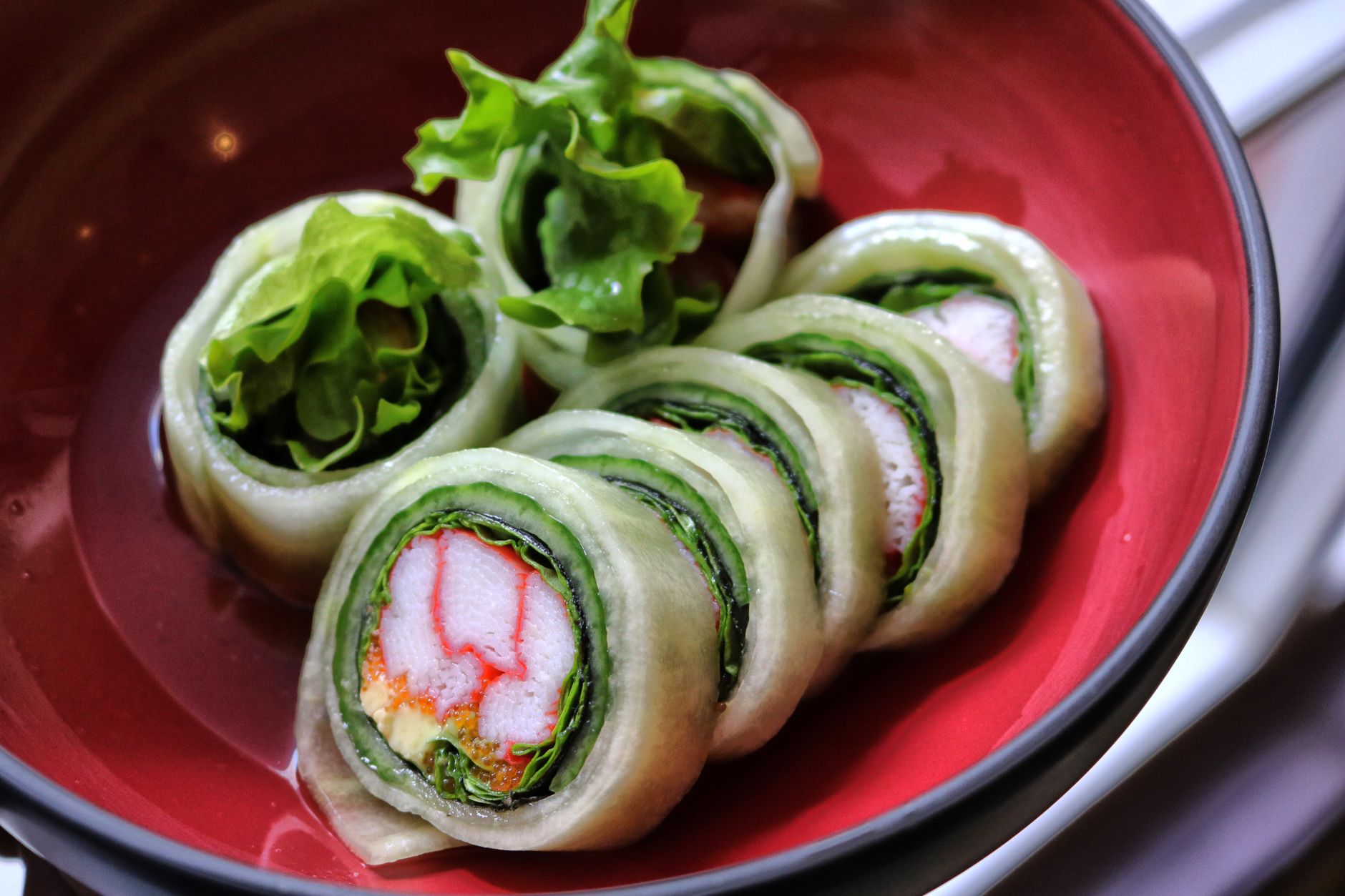
Narutomaki, a colorful swirl of fish cake, is a popular ingredient in Japanese cuisine, often found in ramen or served as a topping in various dishes. Understanding what narutomaki is made of can enhance your cooking and appreciation of this unique ingredient.
This article delves into the ingredients that make up narutomaki, its preparation methods, and serving tips to help you incorporate it into your meals.
What Is Narutomaki Made Of?
Narutomaki is primarily made of a mixture of fish, starch, and seasonings, typically crab or white fish, combined to form a smooth paste. The distinctive pink swirl seen in narutomaki comes from a separate colored fish paste that is rolled into the main mixture before steaming, creating a visually appealing and flavorful addition to many dishes.
Key Ingredients of Narutomaki
When considering narutomaki, several key ingredients are typically involved: fish, starch, and seasoning. Let’s explore these components in detail.
1. Fish
- White Fish: Commonly used fish varieties include pollock, cod, or haddock. These fish offer a mild flavor and acceptable texture.
- Crab or Imitation Crab: Often utilized in narutomaki for its additional sweetness and flavor.
2. Starch
- Tapioca Starch or Potato Starch: Used to bind the fish together, giving the mixture a solid yet tender texture.
- Kuzu Starch: An alternative, which also contributes to a glossy finish upon cooking.
3. Seasonings
- Salt: Essential for flavor enhancement.
- Sugar: Adds a touch of sweetness, balancing the savory notes of the fish.
- Mirin or Sake: Often included for a depth of flavor.
- White Pepper: Used sparingly for a subtle spiciness.
4. Color Additives
The pink swirl is created with a small amount of red food coloring or a naturally derived color from ingredients like beet juice. This step is primarily for visual appeal and does not affect the taste significantly.
How to Prepare Narutomaki
Making narutomaki at home involves a series of steps to combine and cook the ingredients properly. Here’s a simplified process:
Essential Equipment
- Food processor
- Steamer or steaming rack
- Parchment paper
- Plastic wrap
- Knife
Step-by-Step Method
- Prepare the Fish: Start by finely mincing the white fish and crab (if using). Refrigerate the mix for a short while to enhance flavor.
- Mix the Ingredients: In a food processor, combine the minced fish, starch, salt, sugar, and seasonings. Blend until smooth.
- Add Color: Take a small portion of this fish mixture (approximately 1/4) and add a food coloring mixture to create the pink swirl.
- Shape the Mixture: Place a sheet of parchment paper on a flat surface. Spread the main fish mixture evenly into a rectangular shape. Then, add the colored portion on top, rolling it gently to create the spiral.
- Wrap the Roll: Once rolled, wrap the parchment paper around the roll tightly and secure it with a twist tie.
- Steam the Roll: Place the wrapped narutomaki in a steamer basket, and steam for about 20 to 30 minutes until firm.
- Cool and Slice: Remove the roll from the steamer and let it cool. Once cooled, slice it into rounds with a sharp knife.
Common Mistakes and Troubleshooting
While making narutomaki, a few common mistakes can detract from the end result:
1. Inadequate Mixing
Ensure the fish mixture is blended thoroughly; insufficient mixing can lead to a grainy texture.
2. Overcooking
Steaming the narutomaki for too long can result in a tough exterior. Watch the time closely for the best texture.
3. Uneven Swirl
If the pink swirl is not visible, it may mean the color wasn’t mixed properly or stretched too thin during the rolling process. Take care to maintain thickness for better results.
Serving Suggestions
Narutomaki can be used in a variety of dishes, making it a versatile ingredient to keep on hand.
1. Ramen Topping
It is most famously used as a topping in ramen, where its texture complements noodles and broth.
2. Sushi Rolls
Cut into strips and used in sushi rolls adds a vibrant color and delightful taste.
3. Side Dishes
Can be served as part of a bento box or as a standalone element dipped in soy sauce.
Storage and Reheating Tips
Proper storage is crucial to maintaining the quality of narutomaki:
Storage
Place sliced narutomaki in an airtight container and refrigerate. It is best consumed within a week. For longer storage, freeze it; ensure to wrap it tightly to prevent freezer burn.
Reheating
When ready to enjoy the frozen narutomaki, thaw it in the refrigerator overnight and then steam it briefly before serving. Avoid microwaving, as it can alter the texture.
Nutrition Considerations
Narutomaki is primarily made of fish and starch, providing protein as the main nutrient. While it offers a low-fat option, keep in mind that commercial varieties may contain preservatives. Always check the ingredient label for additives if you are purchasing from a store.
Practical Substitutions for Narutomaki
If you are looking for alternatives to narutomaki due to dietary restrictions or preferences, here are some ideas:
- Dried Tofu: A vegetarian substitute that offers protein, albeit with a different texture.
- Fish Cake Alternatives: Other forms of fish cakes, or surimi, can replicate the flavor without using traditional narutomaki.
- Zucchini or Eggplant: For a vegetable-based option, these can be sliced thinly and infused with similar flavors to offer a unique twist.
Conclusion and Final Thoughts
Understanding what narutomaki is made of allows for greater appreciation when enjoying Japanese cuisine. Whether you choose to make it at home or purchase it, this delicious fish cake adds visual appeal and flavor to numerous dishes.
To expand your culinary repertoire, explore more about fish cake alternatives or learn about the ingredients in udon noodles to create a complete Japanese meal. Check out links to learn more: what is fish cake and what are udon noodles made of.