
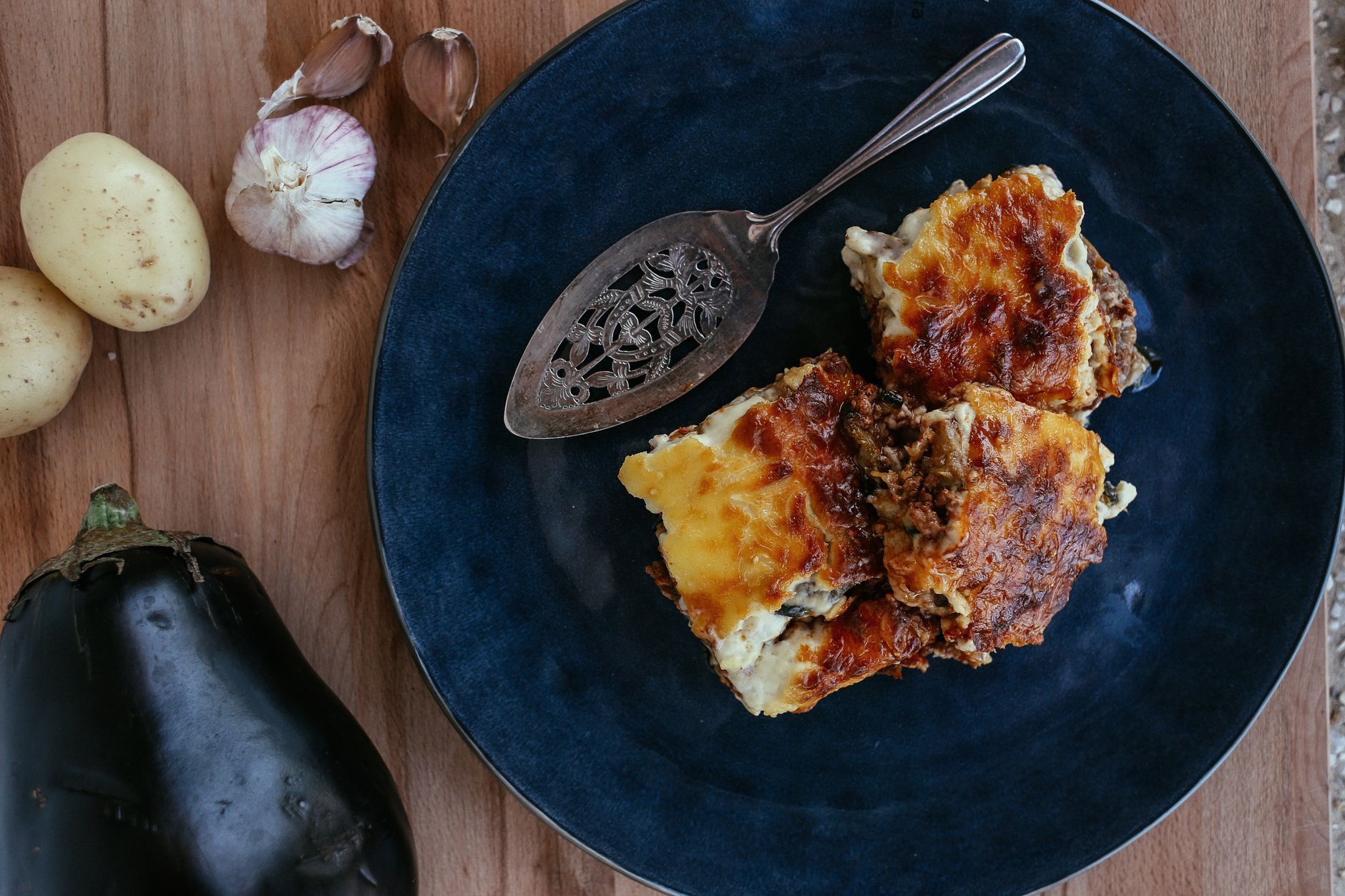
Moussaka is a traditional dish originating from the Eastern Mediterranean, particularly associated with Greece and Turkey. Known for its rich flavors and hearty textures, this layered casserole features a combination of eggplants, ground meat, and creamy béchamel sauce, making it both filling and satisfying.
The dish varies by region, with each culture adding its twist. In Greece, for example, the addition of cinnamon lends a unique sweetness that balances the savory notes. Understanding moussaka’s variations, preparation techniques, and tips will enhance your ability to create this beloved dish at home.
What Is Moussaka?
Moussaka is a baked dish made primarily of layers of eggplant or potatoes, ground meat—usually beef or lamb—and a rich béchamel sauce. Each layer complements the others, creating a comforting meal that is perfect for family gatherings or weekend feasts.
The Components of Moussaka
To better understand moussaka, it is essential to break down its key components. Each element not only contributes to the overall flavor but also affects the texture and presentation of the dish.
1. Eggplant
Eggplant serves as the primary vegetable in moussaka. Its soft, creamy texture after cooking pairs beautifully with the meat and béchamel sauce. Slicing eggplant and salting it before cooking helps remove excess moisture and bitterness, enhancing the dish’s flavor.
2. Ground Meat
The ground meat layer usually consists of lamb or beef, sautéed with ingredients like onions, garlic, and tomatoes. Spices, often including cinnamon and nutmeg, add warmth to the dish. The meat provides richness and protein, making the dish hearty and well-rounded.
3. Béchamel Sauce
The pièce de résistance of moussaka is its creamy béchamel sauce. Made from butter, flour, milk, and often enriched with egg yolks and cheese, this sauce creates a smooth layer that binds the other components together. Béchamel adds creaminess and elevates the dish’s flavor profile while providing a beautiful golden crust when baked.
4. Optional Ingredients
Some variations of moussaka include layered potatoes or zucchinis and even cheese. While the classic recipe focuses on eggplant, feel free to experiment by adding your favorite vegetables. Fresh herbs like parsley or mint can also enhance the overall taste.
The History and Variations of Moussaka
Moussaka’s origins are often debated, with influences traceable to Arabic, Turkish, and Greek cuisines. It is believed that the name derives from the Arabic word “muqabbal,” which refers to cooked food. Moussaka as we know it today has evolved significantly, with regional variations adding unique flavors and ingredients.
Greek Moussaka
The Greek version typically features layered eggplants, ground meat, and a creamy béchamel sauce. It is traditionally seasoned with spices like cinnamon or allspice, giving it a distinct flavor profile. This version is the most popular outside the Mediterranean and often found in Greek restaurants globally.
Turkish Moussaka
In Turkey, moussaka is often prepared in a simpler way without the béchamel layer. Instead, it may be served as a stovetop dish, with layered eggplant and meat cooked together, resulting in a rustic presentation. The spices used can vary and do not always include cinnamon, which leads to a different flavor profile.
Middle Eastern Variants
Middle Eastern takes on moussaka often include ingredients like lentils and chickpeas. They may be baked separately or combined in a pot with spices for an aromatic experience. Additionally, they might focus more on vegetables, showcasing a vegetarian-friendly approach.
How to Make Moussaka: A Classic Recipe
Now that we understand the components and history, let’s explore how to make a classic Greek moussaka. This recipe serves 6 to 8 people and includes preparation time, cooking time, and essential ingredients.
Ingredients
- 2 large eggplants, sliced into 1/2-inch rounds
- 1 pound ground lamb or beef
- 1 onion, diced
- 2 cloves garlic, minced
- 1 can (14 ounces) tomatoes, crushed or diced
- 2 tablespoons olive oil
- 1 teaspoon ground cinnamon
- Salt and pepper, to taste
- 1/4 cup fresh parsley, chopped
- For the béchamel sauce:
- 4 tablespoons unsalted butter
- 1/4 cup all-purpose flour
- 2 cups whole milk
- 1/4 teaspoon nutmeg
- 1/2 cup grated Parmesan cheese
- 2 large egg yolks
Essential Equipment
- Large skillet or frying pan
- Baking dish (9 x 13 inch recommended)
- Medium saucepan
- Whisk
- Colander or strainer
Preparation Time
Preparation time: 30 minutes
Cooking time: 1 hour
Total time: 1 hour 30 minutes
Method
- Preheat the oven to 375°F (190°C).
- Slice the eggplants into rounds and sprinkle with salt. Place them in a colander to drain for about 30 minutes. Rinse and pat dry.
- In a large skillet, heat olive oil over medium heat. Add the diced onion and sauté until translucent, about 5 minutes. Add garlic and cook for an additional minute.
- Stir in the ground meat, breaking it up with a spatula, and cook until browned. Drain excess fat if necessary.
- Add crushed tomatoes, cinnamon, salt, pepper, and parsley. Stir well to combine. Reduce heat and let simmer for about 20 minutes.
- While the meat is simmering, grease a baking dish and layer the eggplant slices evenly. Bake for about 25 minutes, until softened.
- In a medium saucepan, melt butter over medium heat. Whisk in flour and cook for 1-2 minutes, stirring constantly.
- Gradually add milk while whisking to prevent lumps. Continue to whisk until the sauce thickens, about 5-7 minutes. Stir in nutmeg, Parmesan cheese, and remove from heat.
- Whisk in egg yolks until fully incorporated.
- Once all components are ready, assemble the moussaka by layering half the eggplant at the bottom of the baking dish, followed by the meat mixture, and then the remaining eggplant. Pour the béchamel sauce over the top.
- Bake in the preheated oven for 45 minutes or until the top is golden brown.
- Allow the moussaka to rest for 15 minutes before serving to help it set.
Variations and Tips
While the classic recipe holds great appeal, numerous variations can enhance moussaka to fit your taste. Here are suggestions for ingredient substitutions, flavor enhancements, and serving options.
Ingredient Substitutions
- Ground Meat: Substitute ground turkey or chicken for a leaner option.
- Vegetables: Layer zucchini, potatoes, or tomatoes for a different texture while keeping the heartiness.
- Dairy Alternatives: Use almond or cashew milk for a dairy-free béchamel sauce.
- Herbs: Experiment with herbs such as oregano, thyme, or fresh mint for different flavor profiles.
Common Mistakes
To achieve the best results, keep these tips in mind:
- Do not skip salting the eggplant, as this step reduces bitterness and excess moisture.
- Ensure the béchamel sauce is whisked continuously to prevent it from scorching or lumping.
- Allow the moussaka to rest after baking. This step helps the layers set and makes it easier to cut.
Serving Suggestions
Moussaka can be served with a simple side salad and crusty bread for a complete meal. Here are a few more ways to enjoy it:
- Pair with a side of tzatziki for a refreshing contrast.
- Serve with roasted vegetables for an added nutritional component.
- Drizzle with extra virgin olive oil before serving for a touch of indulgence.
Make-Ahead and Storage
Moussaka is an excellent dish for make-ahead preparations. You can assemble it up to a day before baking. Just cover and refrigerate, then bake before serving. It also stores well:
- Refrigeration: Store leftovers in an airtight container for up to four days.
- Freezing: Freeze individual portions for up to three months. Thaw overnight in the refrigerator before reheating.
Reheating Instructions
To reheat, bake in a preheated oven at 350°F (175°C) for 20-30 minutes, or until warmed through. You can also microwave individual portions until hot, ensuring even heating throughout.
Final Thoughts
Moussaka is a delicious, warm dish that brings comfort to any meal. By mastering the foundational components and techniques, you can create a delightful experience for yourself and others. With its layers of flavor and satisfying texture, it’s a perfect fit for family dinners or celebratory feasts. Start preparing your moussaka today for a taste of the Mediterranean.
Explore related recipes, cooking tips, or food guides to expand your culinary repertoire and enjoy global flavors. Whether you are curious about Mediterranean salads, classic Greek desserts, or insightful meal preparation methods, there is always something new to discover in the world of food.