
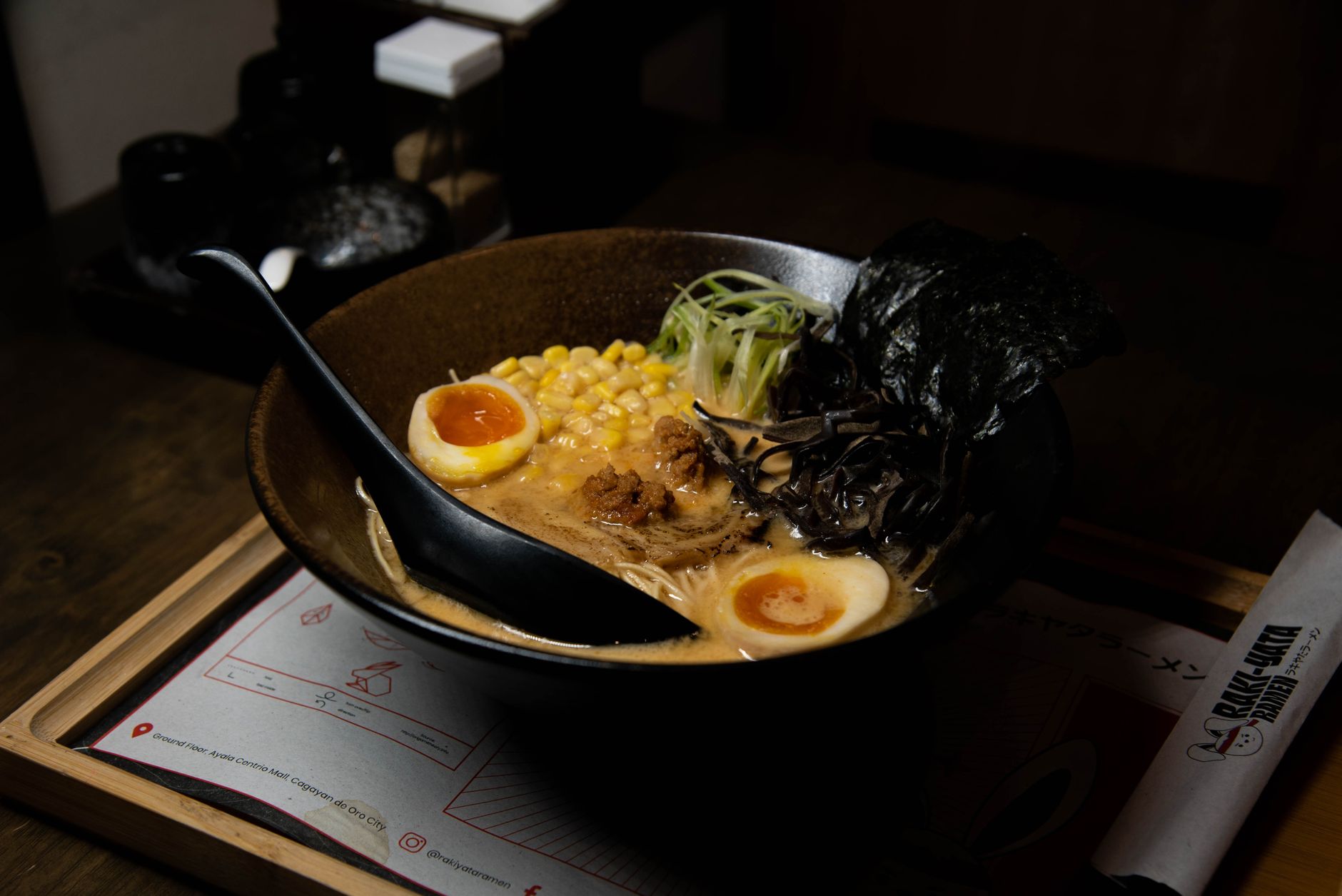
Miso ramen is a popular Japanese noodle soup characterized by a rich, savory broth made from miso paste. This dish combines chewy ramen noodles with a flavorful broth, offering an umami explosion that attracts ramen lovers worldwide. Whether you’re looking to recreate a favorite dish at home or learn about its essential components, understanding miso ramen is key.
This article will explore the ingredients, flavors, and ways to serve miso ramen. You will gain valuable insights into creating this comforting bowl of noodles that can be a nutritious and hearty meal.
What Is Miso Ramen?
Miso ramen is a type of Japanese ramen that incorporates miso paste into its broth, yielding a unique flavor profile. Miso, a fermented soybean paste, gives the ramen its creamy texture and depth of flavor, making it distinct from other ramen varieties like shoyu (soy sauce) or tonkotsu (pork bone) ramen. The combination of miso with other ingredients in the bowl leads to a balance of savory, salty, and slightly sweet notes.
Ingredients Commonly Used in Miso Ramen
Creating an authentic bowl of miso ramen involves several key ingredients. Here’s a breakdown of essential components:
- Ramen Noodles: Fresh or dried ramen noodles are typically used. They can vary in thickness and texture, affecting the overall experience of the dish.
- Miso Paste: This is the star ingredient, available in various types such as white (shiro), yellow (shin), and red (aka). Each type has its own flavor profile, ranging from sweet and mild to more intense and salty.
- Broth: A combination of water and ingredients like chicken, pork, or vegetable stock. You can also incorporate kombu (sea kelp) for added umami flavor.
- Aromatics: Garlic, ginger, and scallions are often sautéed to add layers of flavor to the broth.
- Toppings: Common options include soft-boiled eggs, sliced chashu (braised pork), nori (seaweed), menma (bamboo shoots), corn, and bean sprouts. Feel free to customize with your favorites.
- Seasonings: Additional seasonings like sesame oil, soy sauce, or chili oil can enhance the dish’s profile and provide a finishing touch.
Flavor Profile of Miso Ramen
The flavor of miso ramen is complex and layered. The miso paste provides a deep, savory base, complemented by the umami from the broth. Depending on which type of miso you choose, the flavor can range from nutty and sweet to salty and pungent. The addition of aromatics like garlic and ginger adds a fragrant and slightly spicy note, while the toppings provide textural contrast. The balance of all these components is crucial to creating a well-rounded bowl of miso ramen.
How to Make Miso Ramen
To prepare miso ramen at home, you will need the right ingredients and a reliable method. Below, you will find a comprehensive guide to cooking miso ramen, with estimated preparation and cooking times.
Yield: 4 servings
Preparation Time: 30 minutes
Cooking Time: 30 minutes
Total Time: 1 hour
Essential Equipment
- Large pot for the broth
- Medium pot for boiling the noodles
- Skillet for sautéing aromatics
- Colander for draining noodles
- Serving bowls
- Whisk or spatula for mixing
Ingredients
- 4 servings of fresh or dried ramen noodles
- 4 cups of broth (chicken, pork, or vegetable)
- 3 tablespoons of miso paste (adjust according to preference)
- 1 tablespoon of sesame oil
- 2 cloves garlic, minced
- 1-inch piece of ginger, minced
- 4 green onions, thinly sliced (divided into white and green parts)
- Soft-boiled eggs, for topping (2 eggs, optional)
- Chashu pork, sliced (optional)
- Nori sheets, cut into strips (optional)
- Corn, bean sprouts, or other preferred toppings
- Soy sauce, to taste
- Chili oil, to taste (optional)
Step-by-Step Method
- In a large pot, heat the broth over medium heat until it simmers. This is the foundation of your ramen.
- In a skillet, heat the sesame oil over medium heat. Add the minced garlic and ginger, sautéing for 1-2 minutes until fragrant but not browned.
- Add the white parts of the sliced green onions to the skillet and continue to sauté for another minute.
- Whisk in the miso paste into the broth, ensuring it dissolves well. Use a ladle to scoop a small amount of hot broth into the skillet to temper the miso before adding it to the pot. This prevents clumping.
- Once fully combined, taste the broth and adjust with soy sauce if needed. Keep the broth simmering.
- In a separate medium pot, boil water and cook the ramen noodles according to package instructions. Fresh noodles typically take about 3-4 minutes, while dried noodles might take longer. Stir occasionally to prevent sticking.
- Once the noodles are cooked, drain and rinse under cold water to stop the cooking process. This also helps remove excess starch.
- To serve, place a portion of noodles in each bowl, ladle the hot miso broth over the noodles, and arrange your desired toppings on top.
- Garnish with the green parts of the green onion, nori strips, and a drizzle of chili oil if desired. Serve immediately while hot.
Practical Substitutions and Variations
Miso ramen is flexible, allowing room for experimentation. Here are some substitutions and variations to consider:
- Noodles: If you cannot find ramen noodles, other wheat noodles like udon or even gluten-free options can work, keeping in mind that the texture may change.
- Miso Paste: If you’re out of one type of miso, you can combine different types to create your own flavor, provided they complement each other.
- Broth Options: Homemade broth is best, but store-bought options can suffice. Look for low-sodium varieties to control salt levels.
- Protein Alternatives: Instead of chashu pork, you can use chicken, tofu, or even seafood like shrimp or fish for different protein options.
- Vegetarian or Vegan Options: Replace meat-based broth with vegetable broth and use plant-based toppings like marinated tofu or sautéed vegetables.
Common Mistakes and Troubleshooting
While making miso ramen, several common pitfalls can occur. Here are some tips to help troubleshoot:
- Grainy Broth: If miso does not dissolve well, it may create a grainy texture. Use a whisk or blend with some broth in a separate bowl before incorporating it back into the pot.
- Overcooked Noodles: Keep a close eye on the cooking time of your noodles; overcooked ramen can become mushy. Rinse with cold water immediately after draining.
- Bland Flavor: If the broth lacks depth, enhancing it with additional miso paste or soy sauce can bolster the flavor. Also, consider adding a pinch of salt or umami-rich ingredients like mushrooms.
- Too Salty: If the dish becomes overly salty, balance it out with additional broth or water. Another option is to add more noodles and toppings.
Serving Suggestions for Miso Ramen
Miso ramen is often served as a standalone dish due to its hearty nature. However, enriching the meal with sides can enhance the overall experience. Here are some suggestions:
- Gyoza: These delicious Japanese dumplings make a perfect side dish to complement miso ramen.
- Salad: A light, fresh cucumber salad can add a refreshing contrast to the richness of the ramen.
- Rice: A small serving of rice can round out the meal, particularly if accompanied by toppings like sliced meats.
- Pickles: Japanese pickles offer a delightful tangy crunch that offsets the savory broth, catering to various palates.
Make-Ahead Guidance
Miso ramen can be partially prepared in advance to save time. Here’s how:
- Broth: You can make the broth in advance and store it in the refrigerator for up to three days or freeze it for longer storage. Reheat before serving.
- Noodles: Cook noodles until just al dente and store them in cold water in the fridge. Drain and reheat quickly in boiling water to serve.
- Toppings: Prepare and store toppings separately; soft-boiled eggs can be refrigerated for a couple of days, while meat can be reheated as necessary.
Storage and Reheating Guidelines
Storing and reheating ramen requires some care to maintain its quality:
- Store leftover broth and noodles separately in airtight containers. Noodles may absorb liquid and become mushy if left in the broth.
- Reheat broth gently on the stove or in the microwave until it simmers again. Boil noodles quickly to refresh them without overcooking.
- Reassemble with toppings just before serving for the best results.
Miso ramen is a culinary experience that encapsulates comfort and flavor. Mastering this dish allows you to embrace the heart of Japanese cuisine, and with practice, you can tailor it to your preferences.
Discover more delicious recipes or expand your cooking skills by checking out our creamy ramen recipe and learn the art of seasoning with our ramen seasoning recipe. Enjoy your culinary adventure with miso ramen and happy cooking!