
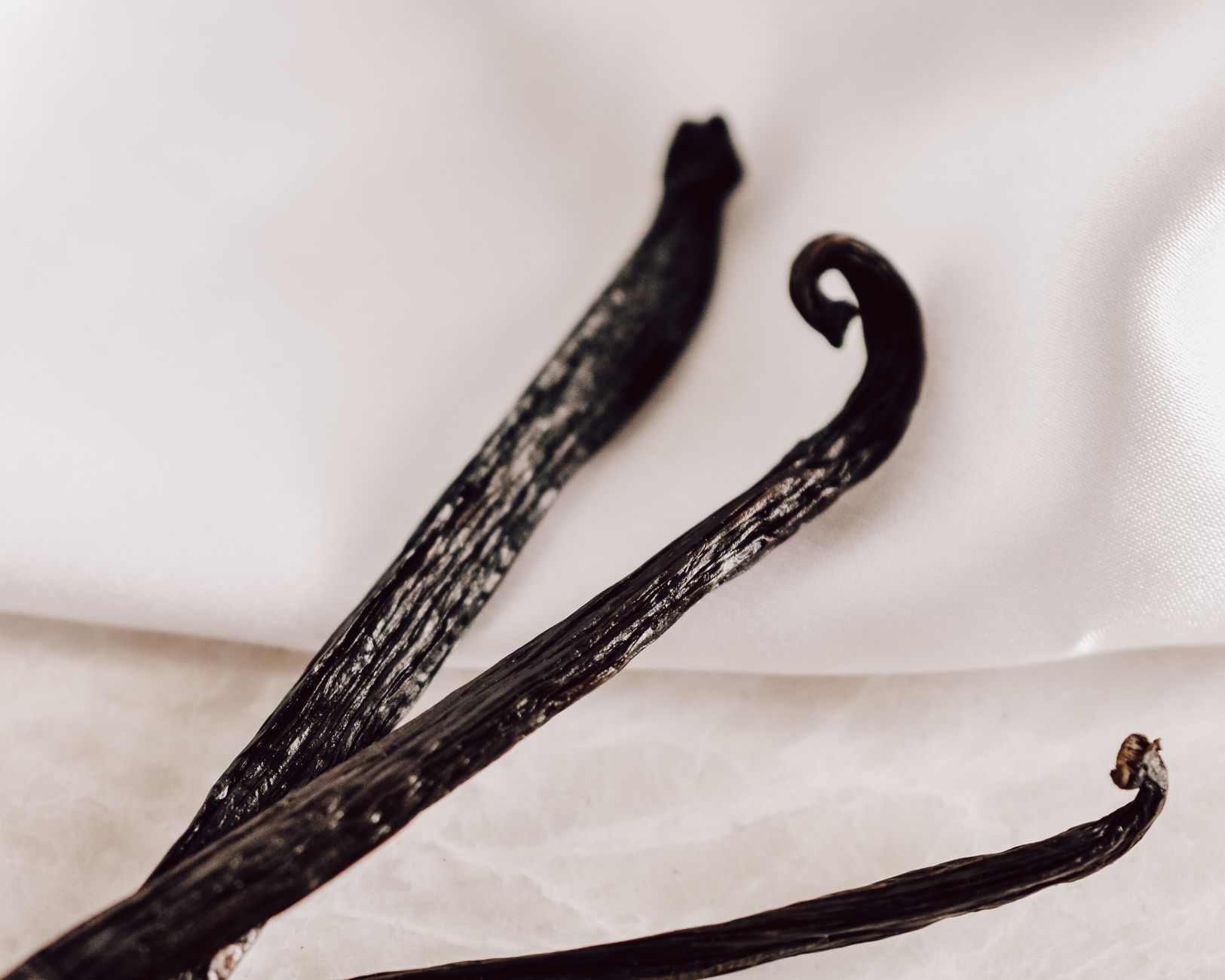
Madagascar vanilla, renowned for its rich flavor and aromatic qualities, is one of the most sought-after vanilla varieties in the world. Originating from the orchid species Vanilla planifolia, it is primarily cultivated on the island of Madagascar. This article explores its unique taste, texture, kitchen uses, and much more.
As one of the most popular flavors in both sweet and savory dishes, understanding Madagascar vanilla can elevate your culinary creations. Whether you’re baking, making sauces, or infusing drinks, knowing how to utilize this exquisite ingredient will enhance your cooking experiences.
What Is Madagascar Vanilla?
Madagascar vanilla refers to vanilla beans and products derived from the Vanilla planifolia orchid grown in Madagascar. Known for its creamy, buttery flavor profile, it offers a complex sweetness that enhances various dishes. The beans are harvested, cured, and dried, which concentrates their flavor and aroma, making them a staple in kitchens worldwide.
Characteristics of Madagascar Vanilla
Understanding the distinct characteristics of Madagascar vanilla can help you appreciate its culinary applications.
Taste
The flavor of Madagascar vanilla is often described as creamy, sweet, and rich, with a hint of floral notes. This unique combination enhances desserts, beverages, and savory dishes alike. Its robust flavor stands out, making it a favorite choice among chefs and bakers.
Texture
Madagascar vanilla beans possess a firm yet pliable texture. When split, they reveal tiny black seeds that contain concentrated vanilla flavor. These seeds can be used in recipes to add visual appeal as well as richness. Vanilla extract and vanilla bean paste offer varying levels of intensity and texture, making each suitable for different culinary applications.
How Madagascar Vanilla Is Cultivated
Madagascar is the primary producer of vanilla in the world, making up over 80% of the global vanilla supply. Understanding how it is cultivated helps in appreciating its quality and complexity.
The vanilla orchid is a climbing vine that requires specific environmental conditions to thrive. It grows best in tropical climates, with high humidity and moderate temperatures. Here are some key steps in the cultivation process:
- Pollination: Vanilla flowers are hermaphroditic but require human intervention for pollination due to their short bloom period. Farmers hand-pollinate each flower.
- Harvesting: The vanilla pods take about 8 to 9 months to mature. They are harvested when still green and not yet fully ripened.
- Curing: Curing involves blanching the pods in hot water, followed by sweating them in boxes to develop flavor. This process can take several months.
- Drying: After curing, the pods are dried in the sun and then stored in a controlled environment to maintain their quality.
Common Kitchen Uses for Madagascar Vanilla
Madagascar vanilla can be used in a multitude of culinary applications. Below are some popular uses:
Baking
Vanilla is a key ingredient in many baked goods, including cakes, cookies, and pastries. Its robust flavor enhances the sweetness and depth of baked items.
Desserts
From custards to ice creams and puddings, Madagascar vanilla adds an aromatic sweetness. It pairs well with chocolate, fruit, and spices, making it versatile for dessert recipes.
Beverages
Madagascar vanilla can transform a simple beverage into a gourmet experience. It’s commonly used in coffee, cocktails, and smoothies, adding complexity and warmth.
Savory Dishes
While vanilla is primarily associated with sweets, it can also add depth to savory dishes. It pairs well with meats, vegetables, and sauces, providing unexpected richness to sauces and marinades.
Using Madagascar Vanilla in Cooking
Knowing how to properly utilize Madagascar vanilla will enhance your cooking. Below are essential tips for using this ingredient effectively.
Choosing Madagascar Vanilla
When selecting Madagascar vanilla products, consider the following:
- Beans: Look for plump, oily, and aromatic beans. They should feel supple and have a strong fragrance.
- Extract: Choose pure vanilla extract made with Madagascar vanilla beans, ensuring it is free from synthetic flavors.
- Vanilla Bean Paste: This offers the concentrated flavor of vanilla beans in a convenient form. It typically includes vanilla bean seeds suspended in a syrup.
Measuring and Substituting
When using Madagascar vanilla in recipes, proper measurement is essential for achieving the desired flavor intensity. Here are common substitutions:
- Vanilla Beans: 1 vanilla bean = 1 tablespoon vanilla extract or 2 teaspoons vanilla bean paste.
- Vanilla Extract: If you’re in a pinch, you can use artificial vanilla, but it will not replicate the same depth of flavor.
- Vanilla Bean Paste: Use in equal amounts for any recipe calling for vanilla extract or beans.
Recipes Featuring Madagascar Vanilla
Diving into cooking with Madagascar vanilla can be very rewarding. Below are some recipe ideas that use this delightful ingredient.
Madagascar Vanilla Panna Cotta
This creamy dessert showcases the sweet and complex flavor of Madagascar vanilla.
Yield: 6 servings
Preparation Time: 10 minutes
Cooking Time: 5 minutes
Total Time: 2 hours (includes chilling)
Ingredients:
- 2 cups heavy cream
- 1/2 cup sugar
- 1 vanilla bean (or 2 teaspoons vanilla extract)
- 1 tablespoon unflavored gelatin
- 3 tablespoons cold water
- Pinch of salt
Essential Equipment:
- Medium saucepan
- Small bowl
- Whisk
- Ramekins
- Strainer
Instructions:
- In a medium saucepan, combine heavy cream, sugar, and salt. If using a vanilla bean, split it open and scrape seeds into the mixture, adding the entire pod.
- Bring the mixture to a simmer over medium heat, stirring occasionally until sugar dissolves.
- In a small bowl, sprinkle gelatin over cold water and let it bloom for 5 minutes.
- Remove the cream mixture from heat. Discard the vanilla pod if used. Stir in the bloomed gelatin until fully dissolved.
- Pour the mixture into ramekins and refrigerate until set, about 2 hours.
- Serve chilled; top with fresh berries or a drizzle of caramel sauce if desired.
Madagascar Vanilla French Toast
This breakfast favorite is elevated by the warm notes of Madagascar vanilla.
Yield: 4 servings
Preparation Time: 10 minutes
Cooking Time: 10 minutes
Total Time: 20 minutes
Ingredients:
- 4 slices of thick bread (like brioche or challah)
- 2 large eggs
- 1 cup milk
- 1 tablespoon sugar
- 1 teaspoon Madagascar vanilla extract
- Butter for greasing
- Maple syrup for serving
Essential Equipment:
- Mixing bowl
- Whisk
- Skillet or griddle
- Spatula
Instructions:
- In a mixing bowl, whisk together eggs, milk, sugar, and Madagascar vanilla extract.
- Preheat a skillet or griddle over medium heat and lightly grease with butter.
- Dip each slice of bread in the egg mixture, allowing it to soak for a few seconds on each side.
- Cook the soaked bread slices in the skillet until golden brown on both sides, about 3-4 minutes per side.
- Serve immediately with a drizzle of maple syrup.
Storage Tips for Madagascar Vanilla
The proper storage of Madagascar vanilla products is crucial for maintaining their flavor and quality.
Vanilla Beans
Store unused vanilla beans in an airtight container in a cool, dark place. They can last for several months if stored properly. For longer shelf life, consider refrigerating them.
Vanilla Extract
Store vanilla extract in a cool, dark location, tightly sealed. Good quality extract can last indefinitely when stored correctly, but its flavor may diminish over time.
Vanilla Bean Paste
Vanilla bean paste should be kept in a cool place and tightly sealed. It typically has a shorter shelf life than vanilla extract. Look for signs of spoilage or changes in aroma.
Common Mistakes When Using Madagascar Vanilla
Using Madagascar vanilla can elevate your dishes, but a few common mistakes can hinder your results:
- Using Low-Quality Vanilla: Always choose high-quality Madagascar vanilla for the best flavor.
- Overuse: A little goes a long way; excessive amounts can lead to overpowering flavors.
- Neglecting to Extract Flavor: Vanilla extract and paste should be added at the appropriate time in the cooking process to achieve maximum flavor.
- Ignoring Temperature: Adding vanilla to very hot mixtures can diminish its flavor. Allow mixtures to cool slightly before incorporating vanilla.
Conclusion
Madagascar vanilla is a versatile ingredient that adds depth and complexity to numerous dishes. Its unique flavor profile and rich aroma can enhance both sweet and savory culinary creations. Understanding how to use and store Madagascar vanilla effectively will help you make the most of this exquisite ingredient in your kitchen.
To further explore the world of vanilla, check out our guide on substitutes for vanilla extract or learn how to make your own vanilla bean paste.