
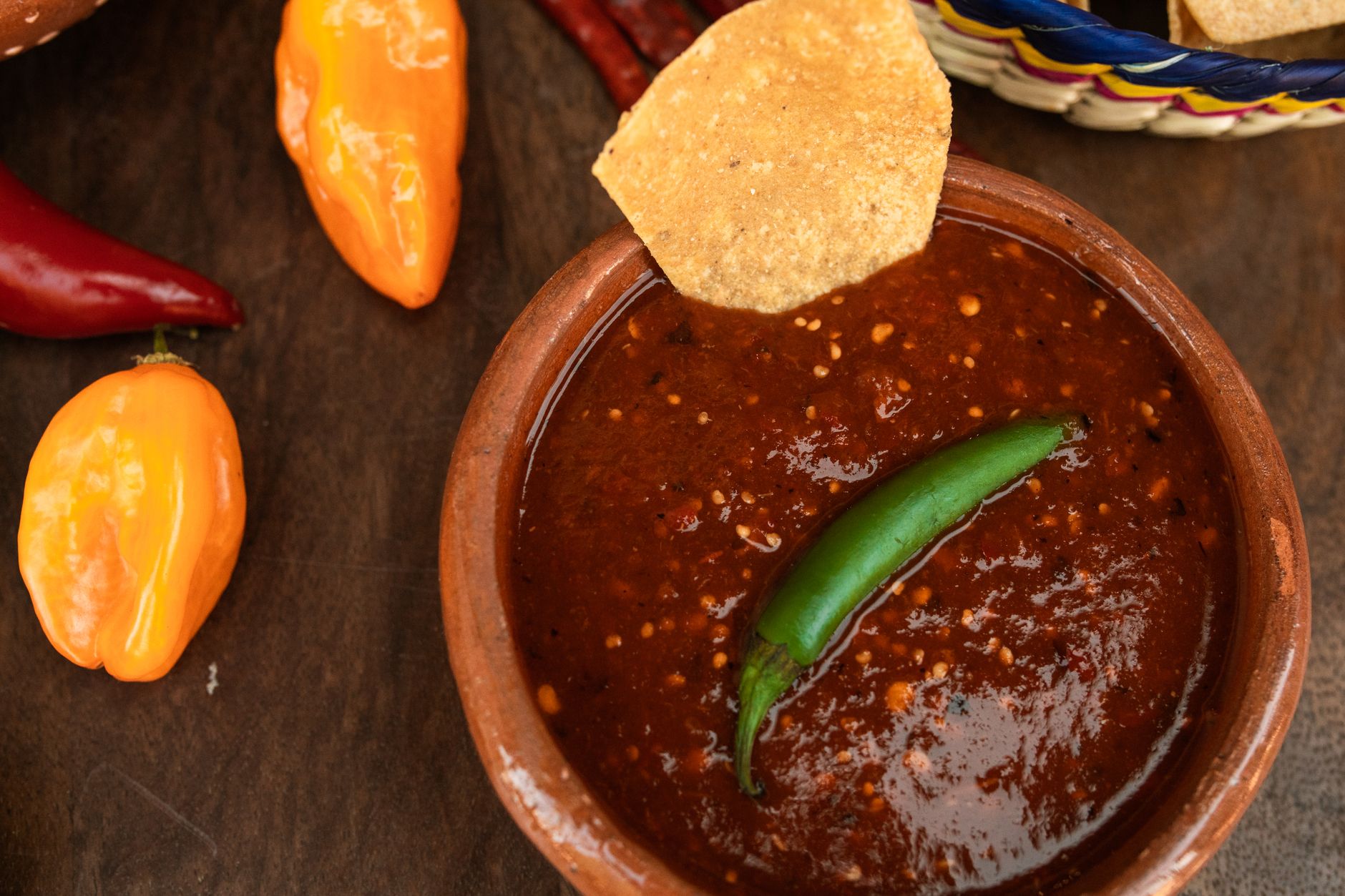
Picante sauce is a spicy, flavorful condiment that is widely used in Mexican cuisine and among fans of zesty flavors. Its primary function is to provide heat and depth to a variety of dishes, making it a popular choice for many meals. With a vibrant mix of tomatoes, peppers, and various seasonings, picante sauce is both versatile and unique.
This sauce can enhance the taste of dips, salsas, marinades, and even main dishes. Understanding the ingredients, taste profile, and culinary uses of picante sauce can greatly improve your cooking repertoire.
What Is Picante Sauce?
Picante sauce is a tomato-based sauce that typically contains chopped tomatoes, chili peppers, onions, vinegar, and various seasonings. The term “picante” translates to “spicy” in Spanish, indicating the sauce’s characteristic heat. While it can vary in heat levels, most picante sauces possess a moderate spiciness that complements a wide range of dishes.
Originally, picante sauce gained popularity as a dip for tortilla chips or as a topping for tacos, but its culinary uses extend well beyond that. The blend of tomatoes with hot peppers creates a flavorful profile that works well in marinades, dressings, and various recipes.
Key Ingredients in Picante Sauce
While specific recipes for picante sauce may vary, the following ingredients are typically found in most versions:
- Tomatoes: The primary component, providing a rich base.
- Chili Peppers: These can include jalapeños, serranos, or habaneros, contributing the sauce’s heat.
- Onions: Adds flavor and texture.
- Garlic: Provides aromatic qualities and complexity.
- Vinegar: Offers acidity to balance flavors.
- Spices and Herbs: Common additions include cumin, oregano, and cilantro for enhanced flavor.
The Taste Profile of Picante Sauce
Picante sauce is often characterized by a blend of sweet, acidic, and spicy flavors. The tomatoes provide a natural sweetness, while the vinegar adds tang, and the peppers provide heat. Depending on the type of peppers used, the heat can range from mild to quite fiery. The overall taste is both fresh and vibrant, thanks to the use of herbs and spices.
Culinary Uses of Picante Sauce
Picante sauce is incredibly versatile and can be used in various culinary applications. Here are some primary uses:
Dip for Tortilla Chips
One of the most popular uses for picante sauce is as a dip for tortilla chips. Its bold flavors make it a perfect companion for crispy chips, enhancing snacks during gatherings or casual meals.
Topping for Tacos and Burritos
Picante sauce pairs wonderfully with tacos, burritos, enchiladas, and any dish that benefits from a spicy kick. Simply drizzle it over your assembled creation for an instant flavor boost.
Ingredient in Salsas
By combining picante sauce with additional ingredients, such as diced avocados, corn, or black beans, you can create a fresh salsa suitable for topping grilled meats or as a dip.
Marinades and Dressings
The acidity of picante sauce makes it an excellent ingredient for marinades. Use it to marinate chicken, beef, or tofu for an added depth of flavor. It can also serve as a base for salad dressings, mixing well with oil and herbs.
Cooking Base for Soups and Stews
Incorporate picante sauce into soups and stews to lend a zesty flavor. It can complement the essence of dishes like chili or tortilla soup, providing an extra layer of complexity.
Flavoring Rice and Grains
Mix picante sauce into rice or grain dishes to impart an excellent smoky, spicy flavor. This can elevate simple side dishes, transforming them into something special.
How to Make Homemade Picante Sauce
For those wanting to make their own picante sauce, the process is straightforward. Here’s a simple recipe:
Ingredients
- 2 cups diced tomatoes (fresh or canned)
- 1 cup diced onion
- 1-2 jalapeño peppers, seeded and finely chopped
- 2 cloves garlic, minced
- 1/4 cup vinegar (white or apple cider)
- 1 teaspoon cumin
- Salt and pepper to taste
Equipment Needed
- Cutting board
- Knife
- Blender or food processor
- Glass jar or container for storage
Instructions
- In a mixing bowl, combine the diced tomatoes, onion, jalapeños, and garlic.
- Add vinegar, cumin, salt, and pepper, and stir to combine.
- Transfer the mixture to a blender or food processor and blend until you achieve your desired consistency (chunky or smooth).
- Taste and adjust seasoning if necessary.
- Store in a glass jar or container in the refrigerator for up to a week.
Practical Tips for Using Picante Sauce
When working with picante sauce, consider the following tips to enhance flavor and avoid common pitfalls:
Experiment with Heat Levels
Adjust the type and quantity of peppers based on your heat preference. If you favor mild flavors, omit or reduce the number of peppers used or choose milder varieties.
Pairing with Other Ingredients
Picante sauce can be paired with various ingredients. Consider combining it with cream cheese for a richer dip or using it alongside cheese in tacos for a perfect balance.
Store Properly
Homemade picante sauce can be stored in an airtight container in the refrigerator. For longer storage, consider freezing it in small portions for future use.
Serving Suggestions
Serve picante sauce alongside a variety of dishes – not just Mexican food. It can elevate grilled chicken, roasted vegetables, or even breakfast items like eggs and breakfast burritos.
Common Mistakes
One common mistake is to use too much vinegar, which can overpower the sauce. Start with less and gradually add more to reach an acceptable level of acidity. Also, ensure that the sauce is well combined to achieve balanced flavor throughout.
Commercial Versus Homemade Picante Sauce
When comparing commercial picante sauce to homemade versions, there are some notable differences. Store-bought picante sauces can range widely in flavor, texture, and heat level.
Texture and Freshness
Homemade picante sauce typically boasts brighter and fresher flavors, as it lacks preservatives found in commercial brands. Additionally, you can control the texture, whether chunky or smooth.
Seasoning Control
Making your own picante sauce allows customization in terms of seasoning. You can adjust for personal taste preferences, such as adding more herbs or spices to enhance specific flavor notes.
Cost Consideration
While store-bought picante sauces may be convenient, they can add up over time—especially if you use them frequently. Homemade options allow for bulk preparation at a lower cost per serving.
Storage and Shelf Life of Picante Sauce
For longevity, store picante sauce in an airtight container. It will typically last about one week in the refrigerator. If freezing, it can last for several months, although the texture may change slightly upon thawing.
Reheating Tips
When reheating, do so gently in a saucepan over low heat to preserve flavor integrity. You can also increase the heat for use in recipes requiring hot sauce, like marinades or soups.
Common Substitutions for Picante Sauce
There may be instances when you need a substitution for picante sauce, either due to availability or personal preference. Here are some practical alternatives:
Hot Sauce
Hot sauce can serve as an alternative if picante sauce is unavailable. Adjust the quantity based on the heat level, as hot sauces vary significantly.
Salsa
For a chunky alternative, salsa (both fresh and bottled) can be used in place of picante sauce. Choose a salsa that matches your desired flavor and heat levels.
Chili Relish
Chili relish presents a sweeter, often milder option. Use it as a direct substitute, bearing in mind that it will noticeably alter the flavor profile.
Conclusion
Picante sauce is a flavorful condiment that can enhance a wide variety of dishes with its spicy, zesty profile. Whether you choose to make your own or use a commercial variation, its versatility makes it a must-have in any kitchen. Experiment with picante sauce to create delicious dishes that cater to your taste preferences.
For additional food ideas, consider exploring recipes for habanero salsa or discover spicy flavor with a mango habanero sauce.