
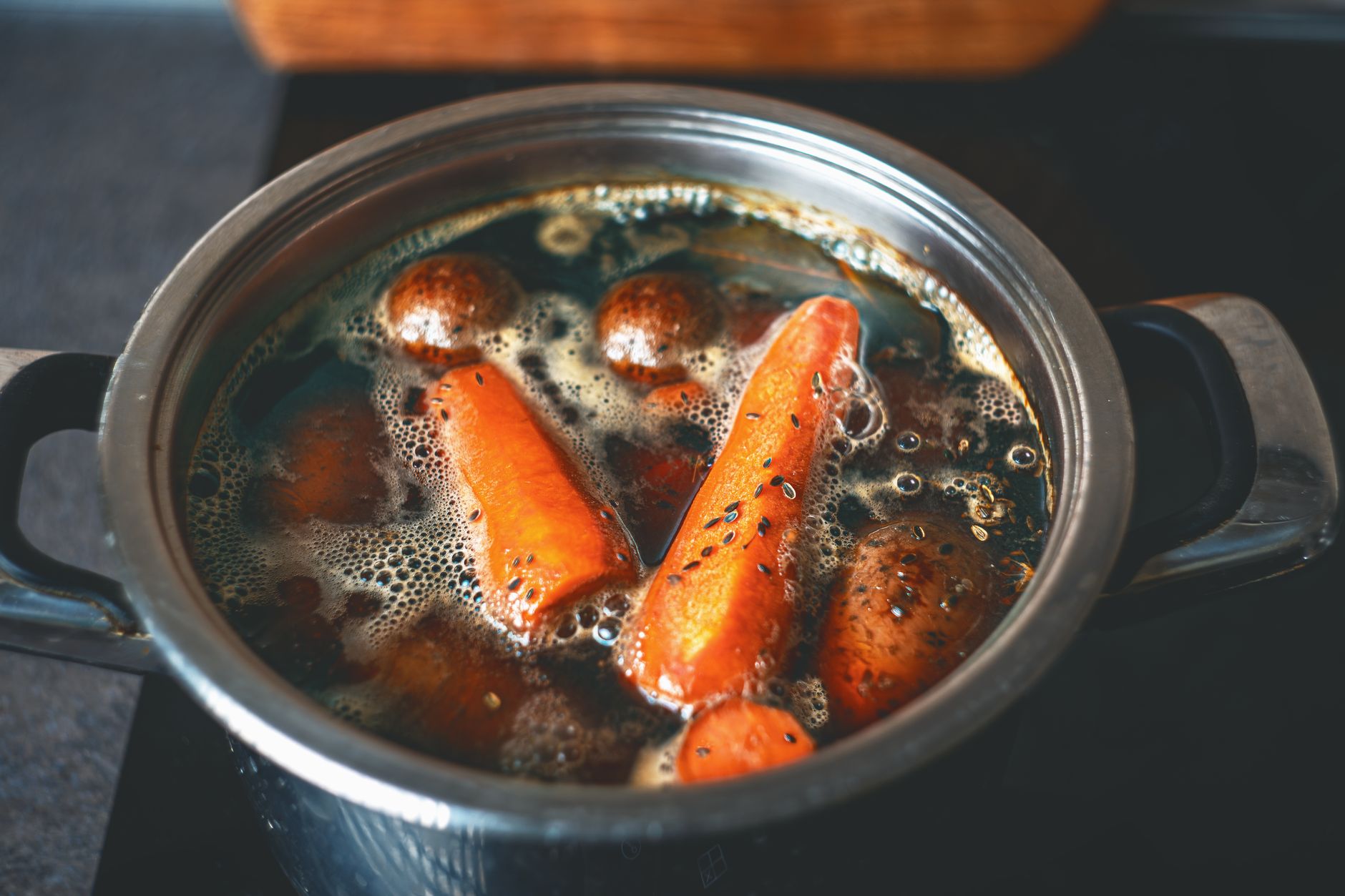
Boiling carrots is a straightforward cooking technique that can yield delicious results, making them tender and ready for various dishes. Understanding how long to boil carrots is key to achieving the right texture, whether for a side dish, soup, or salad.
In this guide, we’ll explore the boiling process, including timing considerations, doneness tips, preparation techniques, and some common mistakes to avoid. Let’s dive in!
How Long Do Carrots Take to Boil?
Carrots typically take 5 to 10 minutes to boil, depending on their size and cut. For larger chunks, aim for around 8 to 10 minutes, while smaller, thinly sliced carrots will be ready in about 5 to 7 minutes. Testing for doneness is essential to avoid overcooking.
Choosing Carrots for Boiling
When selecting carrots for boiling, look for firm, smooth, and brightly colored ones. Avoid carrots that are soft, wrinkled, or have dark spots. Organic carrots may have a more robust flavor, and baby carrots can also be a good option.
Types of Carrots
- Regular Carrots: Standard, often ranging in size from small to large. They offer a sweet, earthy flavor.
- Baby Carrots: More tender and typically sweeter, they require less cooking time and are great for quick meals.
- Rainbow Carrots: Varieties that come in colors such as purple, yellow, and orange, providing visual appeal and slightly different flavors.
Preparation Steps
Correct preparation enhances the boiling process. Follow these steps to prepare your carrots effectively:
- Wash: Rinse the carrots under cold water to remove dirt and debris.
- Peel (optional): Peeling can remove the outer skin for a finer texture, but it’s not necessary if the carrots are organic and well-cleaned.
- Trim: Cut off the tops and bottoms. If using larger carrots, cut them into uniform pieces to ensure even cooking.
- Cut: Slice the carrots into rounds, sticks, or left whole, depending on your dish and preference.
How to Boil Carrots
Boiling carrots is a simple process that requires only a few kitchen tools. Here’s how to do it:
Essential Equipment
- Large pot
- Colander
- Sharp knife
- Cutting board
- Timer
Step-by-Step Instructions
- Fill a Pot: Fill a large pot with water, approximately two-thirds full. Add a pinch of salt to enhance the flavor during boiling.
- Heat the Water: Place the pot on the stove over high heat and bring the water to a rolling boil.
- Add Carrots: Once the water is boiling, carefully add the prepared carrots. Stir to ensure they’re evenly submerged.
- Boil: Start your timer. Boil the carrots for 5 to 10 minutes depending on the size of your cuts.
- Test for Doneness: After about 5 minutes, start checking for doneness. Use a fork or knife to pierce the carrots; they should be tender but not mushy.
- Drain: Once tender, use a colander to drain the carrots, taking care to avoid steam burns.
- Serve: Toss the drained carrots with a little butter, olive oil, or your desired seasoning, and serve as a side dish or add to other recipes.
Tips for Perfectly Boiled Carrots
For the best results when boiling carrots, consider the following tips:
- Uniform Size: Cut the carrots into uniform sizes to promote even cooking.
- Immediate Cooling: If not serving immediately, transfer the drained carrots to ice water to halt cooking and preserve color and texture.
- An Initial Dip: If boiling for a dish where carrots will be further cooked (like stir-fRy), boiling briefly before sautéing can help break down fibers and develop flavors.
Common Mistakes When Boiling Carrots
Even a simple task like boiling carrots can have pitfalls. Here are some common mistakes to avoid and how to troubleshoot them:
- Overcooking: Carrots can become mushy if boiled too long. To avoid this, start checking for doneness early.
- Under-seasoning: If you skip adding salt to the boiling water, your carrots might lack flavor. Don’t be shy about seasoning.
- Not Using Enough Water: Using too little water can lead to uneven cooking. Ensure enough water to fully submerge the carrots.
Storing and Reheating Boiled Carrots
If you have leftover boiled carrots, proper storage will keep them fresh for future dishes. Follow these guidelines:
Storage
- Allow boiled carrots to cool to room temperature.
- Place them in an airtight container or a resealable plastic bag.
- Refrigerate and consume within 3 to 5 days for optimal freshness.
Reheating
To reheat boiled carrots without compromising their texture, you can:
- Microwave them in short intervals (30 seconds), checking for warmth.
- Heat gently in a pan with a little butter or olive oil until warmed through.
- Return them briefly to boiling water for about 1-2 minutes, but do not overcook.
Serving Suggestions for Boiled Carrots
Boiled carrots can make a versatile addition to your meals. Here are some ideas on how to serve them:
- As a side dish: Drizzle with olive oil, sprinkle with herbs (like thyme or parsley), or season with salt and pepper.
- In salads: Toss cooled and sliced carrots with greens, nuts, and vinaigrette.
- In soups: Add boiled carrots to vegetable or chicken soups for added sweetness and texture.
- Pureed: Blend boiled carrots with vegetable or chicken stock for a smooth, creamy soup.
Flavor Variations
While boiled carrots are delicious as-is, there are many ways to enhance their flavor:
- Herbs: Fresh herbs like dill, mint, or chives can elevate the dish.
- Citrus: A squeeze of lemon or orange juice adds brightness.
- Spices: Incorporating spices like cumin, cinnamon, or nutmeg for an exotic twist.
Common Alternatives to Boiling Carrots
If you want to try other cooking methods for carrots, consider these alternatives:
- Steaming: This retains more nutrients and can enhance the caramelized flavor.
- Roasting: Toss carrots in oil and roast them in the oven to caramalize the natural sugars.
- Stir-frying: Sautéing carrots quickly in a hot pan with other vegetables for a crispy finish.
Conclusion
Knowing how long to boil carrots can enhance your meal preparation significantly. Following these guidelines to boil carrots successfully will ensure they are tender, flavorful, and versatile enough for various dishes. Experiment with different seasonings and cooking methods to discover your favorite way to enjoy this nutritious vegetable.
For more cooking tips or delicious recipes, explore how to boil asparagus at our guide or check out a hearty boiled dinner recipe.