
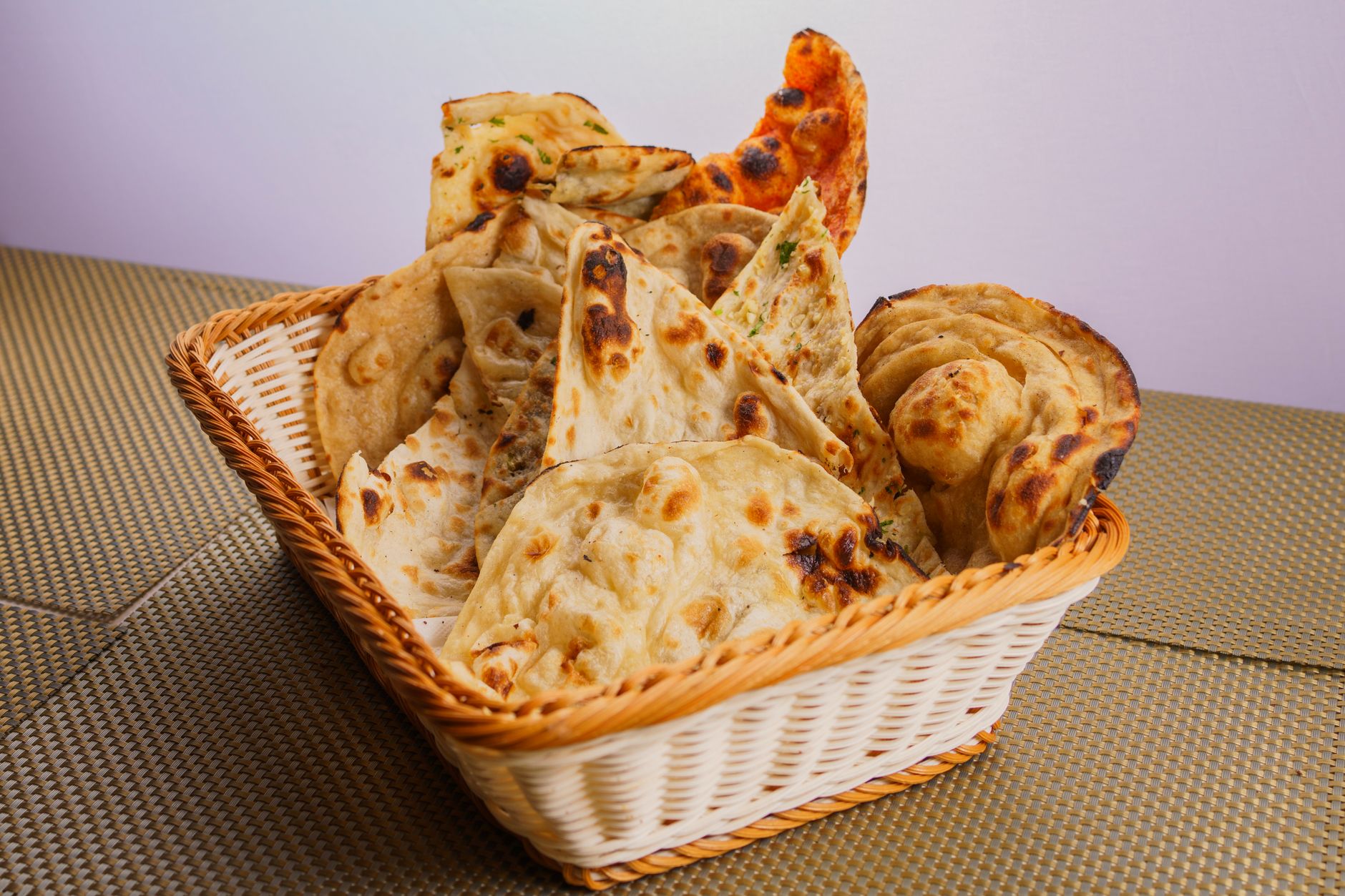
Indian bread encompasses a variety of flatbreads and unleavened breads that hold a central place in Indian cuisine. Commonly enjoyed with regional dishes, these breads are known for their unique flavors, textures, and cooking techniques. Understanding the types of Indian bread and their origins can enhance your culinary experience and appreciation of this diverse cuisine.
From naan to roti, each type of Indian bread reflects different cooking techniques while offering an opportunity to explore the rich history of Indian food. In this article, we will dive deep into the different kinds of Indian breads, their preparation methods, and the cultural significance behind them.
What Is Indian Bread Called?
Indian bread is generally referred to as “roti” or “naan,” depending on the type and method of preparation. Roti typically refers to unleavened flatbreads made from whole wheat flour, while naan is a leavened bread usually prepared in a tandoor. There are many variations and names based on regional influences and ingredients used.
Types of Indian Bread
India boasts an extensive variety of breads, each with distinct characteristics and local names. Below is a detailed discussion of some of the most popular types of Indian bread.
Roti
Roti is perhaps the most commonly consumed bread in India. Made from whole wheat flour (atta), it is usually rolled out into thin discs and cooked on a flat skillet, called a tawa. Roti is best enjoyed with vegetables, legumes, or curries.
Preparation of Roti
- Combine whole wheat flour with water and a pinch of salt to form a soft dough.
- Let the dough rest for at least 30 minutes.
- Divide the dough into small balls, each around the size of a golf ball.
- Roll each ball into a flat disc using a rolling pin, ensuring it’s evenly thin.
- Cook the roti on a hot tawa until puffed and lightly browned on both sides.
Naan
Naan is a leavened flatbread made using white flour, yogurt, and yeast or baking powder. Often cooked in a tandoor, naan is characterized by its soft, chewy texture and is frequently brushed with ghee or butter before serving.
Preparation of Naan
- Mix all-purpose flour, yogurt, yeast, and water to create a soft dough.
- Let the dough rise in a warm place for at least 1 hour.
- Divide the risen dough into small balls; roll them out into oval shapes.
- Cook in a tandoor or on a hot skillet until bubbly and charred.
Paratha
Paratha is a flaky bread that can be either unleavened or made with a slight leavening agent. It is typically layered and sometimes stuffed with a variety of fillings such as potatoes, paneer, or vegetables.
Preparation of Paratha
- Prepare the dough similarly to roti, but add layers of oil or ghee while rolling.
- If stuffing, prepare a filling and place it in the middle before folding and rolling again.
- Cook on a tawa until golden brown and crispy.
Bhakri
Bhakri is a rustic, thick flatbread made typically with millet flour or rice flour and is often enjoyed in rural areas of India. Its hearty texture makes it a perfect accompaniment to robust curries and chutneys.
Preparation of Bhakri
- Combine millet flour with warm water to form a stiff dough.
- Divide the dough into large balls.
- Flatten each ball between the palms and cook on a tawa until fully cooked and brown.
Missi Roti
Missi roti is made from a combination of whole wheat flour and gram flour (besan) along with spices. This type of roti offers a slightly nutty flavor and is often served with yogurt for added taste.
Preparation of Missi Roti
- Mix whole wheat flour, gram flour, and spices in a bowl.
- Gradually add water to form a soft dough.
- Let it rest for 30 minutes, then roll out into flat discs.
- Cook on a tawa until both sides are browned.
The Evolution of Indian Bread
Historically, Indian bread has evolved significantly over thousands of years. The tradition of bread-making in India can be traced back to the Indus Valley civilization, where various grains were cultivated and used in cooking.
During the Mughal Empire, the introduction of leavened bread and the tandoor significantly influenced the types of bread consumed. Naan and other tandoori breads became popular across India due to their unique flavor and texture.
Cultural Significance of Indian Bread
Bread holds a prominent place in Indian culture, often symbolizing sustenance and community. It is a staple in almost every Indian household, where it is almost always served during meals. Sharing bread at the dining table fosters togetherness and warmth.
In various regions, bread-making is often a family affair, where different members contribute to the process. Festivals and celebrations often feature special breads that are made for the occasion. For instance, puris might be prepared during weddings, while chapatis are a daily staple.
Cooking Techniques and Tips for Making Indian Bread
The techniques for making Indian bread vary, but there are some general tips that can ensure better results and flavors.
Cooking Techniques
- Tawa Cooking: When using a tawa, preheat it well to avoid sticking. This technique results in a cooked base with a slightly charred exterior.
- Tandoor Cooking: A traditional tandoor provides high heat, resulting in unique flavors. Make sure to preheat your tandoor properly before baking naan for optimal results.
- Layering for Flakiness: For parathas, apply ghee or oil while folding layers to achieve flakiness.
Common Mistakes to Avoid
- Don’t rush the dough resting time; this helps it become soft and pliable.
- Avoid too much flour while rolling out; this may make the bread dry.
- Ensure even thickness when rolling to guarantee uniform cooking.
Serving and Pairing Indian Bread
Indian breads are incredibly versatile and can be paired with a variety of dishes. Below are popular serving suggestions:
With Curries
Indian bread is often served with rich and flavorful curries, such as butter chicken, palak paneer, or chana masala. The bread acts as a vessel to scoop up the delicious curry.
With Dals and Vegetables
Flatbreads complement lentil dishes (dal) and sautéed vegetables well. They can be used to enjoy the textures and flavors.
As a Snack
Flatbreads can be enjoyed on their own or with chutneys and raitas as snacks. In particular, puffed puris are popular for munching with tangy dips.
Storage and Reheating of Indian Bread
To maintain the freshness of your Indian bread, proper storage is crucial.
Storage Tips
- For longer storage, freeze bread in airtight bags and reheat when needed.
Reheating Techniques
Reheat bread in a hot tawa briefly to revive its softness or place it in the oven at a low temperature until warmed through.
Practical Substitutions
Different types of flour can be used as substitutes depending on dietary preferences or availability.
- Whole Wheat Flour: Use in place of all-purpose flour for a healthier option in naan and roti.
- Gluten-Free Options: Almond flour or rice flour can be used for individuals with gluten sensitivities, although this will change the texture.
- Vegan Alternatives: Substitute yogurt with plant-based yogurt for a vegan option when making naan.
Conclusion
Understanding the vast variety of Indian breads not only adds depth to your culinary skills but also allows you to appreciate India’s rich cultural heritage. By experimenting with different types of Indian bread, you can find new ways to elevate your meals and share the pleasures of Indian cuisine.
For more delightful recipes, explore our lavash bread recipe or try making fry bread for a variation on the traditional Indian bread experience.