
Pecorino and Romano serve as staples in Italian cuisine, often leading to confusion about their similarities and differences. Understanding these two cheeses can elevate your culinary skills, as each brings unique flavors and textures to various dishes.
In this article, we will explore whether Pecorino is the same as Romano, including their distinct characteristics, uses in the kitchen, and how they compare in flavor and texture. This guide will help you make informed decisions when shopping for these cheeses and utilizing them in your favorite recipes.
Is Pecorino the Same as Romano?
No, Pecorino and Romano are not the same cheese, though they share some similarities. Pecorino refers broadly to a group of Italian cheeses made from sheep’s milk, while Romano typically refers to a specific type of Pecorino. There are notable differences in flavor, texture, and production methods that distinguish them.
Understanding Pecorino
Pecorino, derived from the Italian word “pecora,” meaning sheep, encompasses various types of cheese made primarily from sheep’s milk. Pecorino can be categorized into several varieties, with Pecorino Romano being the most famous.
- Pecorino Romano: The most recognized type, it is known for its sharp, tangy flavor and hard, crumbly texture.
- Pecorino Sardo: Originating from Sardinia, it has a slightly sweeter taste and creamier texture.
- Pecorino Toscano: This version has a milder flavor, often enjoyed fresh or aged but not as sharp as Pecorino Romano.
Pecorino Characteristics
Pecorino cheese typically has a strong, salty flavor with nutty undertones. It often has a firm texture, especially when aged. The color varies from white to pale yellow. The aging process can last anywhere from a few months to over a year, impacting its taste and texture.
Understanding Romano
Romano cheese specifically refers to Pecorino Romano, which hails from specific regions in Italy like Lazio and Sardinia. It is made from sheep’s milk, and its production involves traditional methods that contribute to its distinct flavor profile.
Romano Characteristics
Romano cheese is known for its robust and pungent flavor. It is salty, slightly spicy, and sharp, making it a great choice for grating over pasta dishes or incorporating into sauces. The texture is hard and crumbly, similar to aged Parmesan, and it generally has a pale white to yellow hue.
Key Differences Between Pecorino and Romano
Flavor
The flavor profile is one of the most notable differences between Pecorino and Romano. Pecorino cheeses can vary in intensity based on their aging and type. For example, Pecorino Romano has a significantly stronger flavor than Pecorino Sardo or Pecorino Toscano, which are milder and often warmer in taste.
Texture
Pecorino Romano is typically harder and crumblier than many other types of Pecorino. When compared to cheese made from cow’s milk, Pecorino Romano shares a texture similar to that of Parmesan but with a unique firmness due to the sheep’s milk content.
Production Method
The production of Pecorino cheeses can vary by type. While all Pecorino cheeses come from sheep’s milk, Pecorino Romano must meet specific production criteria established by Italian regulations protecting its designation of origin. It must be produced in certain regions and use specific practices to be marketed as Romano.
Using Pecorino and Romano in the Kitchen
Understanding how to use Pecorino and Romano can enhance your culinary endeavors. Here are some common applications for each type of cheese.
Cooking with Pecorino
- Pasta Dishes: Pecorino Sardo or Toscano can complement a variety of pasta dishes, especially in traditional recipes like Cacio e Pepe.
- Salads: Crumbling mild Pecorino over salads adds a rich, tangy flavor that pairs well with greens and citrus.
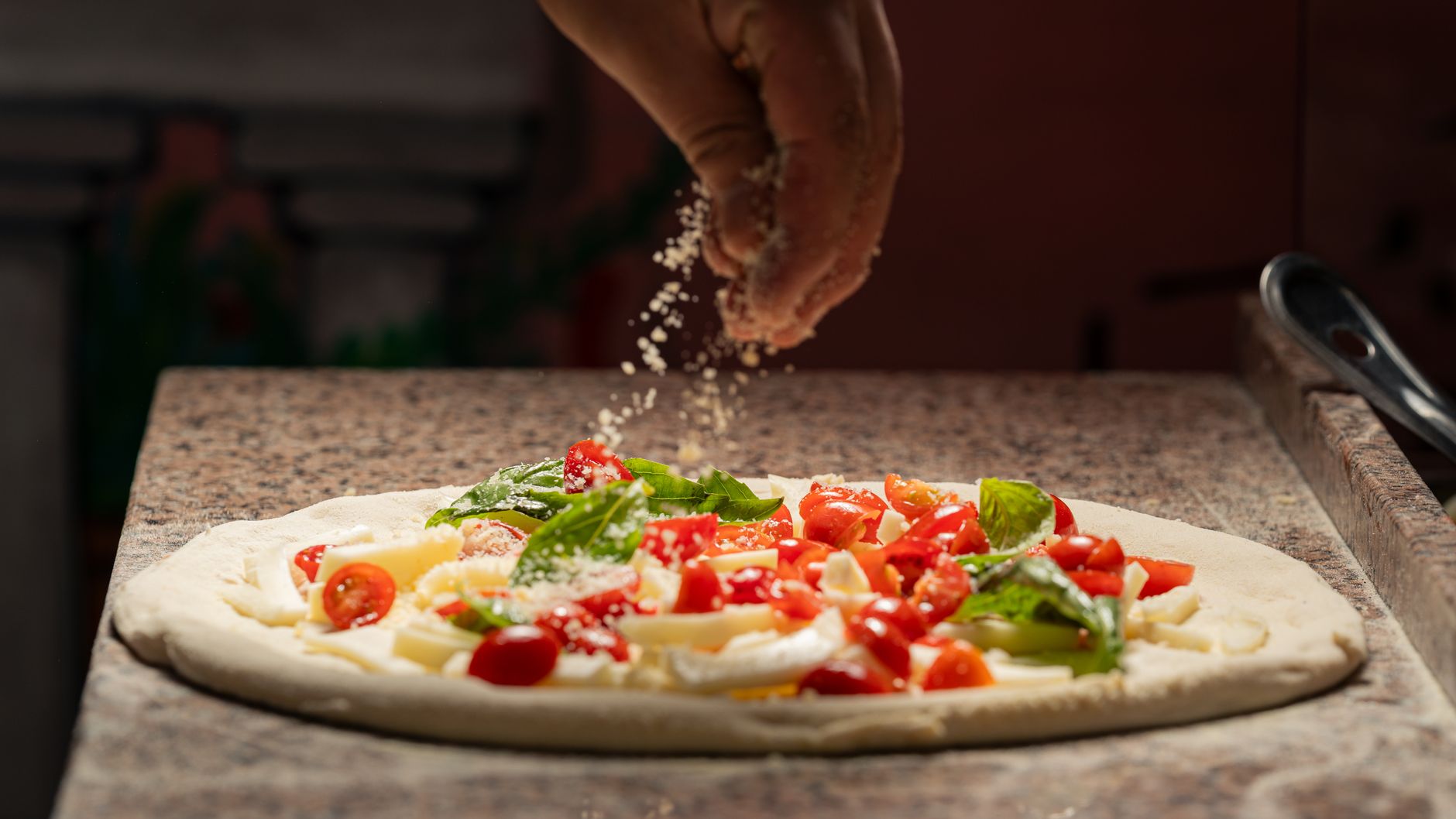
- Pizza: Mixing Pecorino into pizza toppings can intensify flavor while remaining distinct from mozzarella.
Cooking with Romano
- Pasta and Risottos: Romano is often grated over pasta dishes or incorporated into risottos for added depth and saltiness.
- Soups and Sauces: Use Romano in soups or sauces to enhance flavors with a cheesy, savory touch.
- Gratins: Sprinkle over baked dishes for a flavorful crust.
Substitutions and Pairings
Substituting Pecorino and Romano
If you find yourself in need of a substitute, here are some options:
- Parmesan: A common alternative, Parmesan can substitute for both Pecorino and Romano, offering a similar texture but a slightly different flavor profile.
- Grana Padano: This cheese has a milder flavor and can work in recipes calling for Pecorino or Romano, though it lacks the strong saltiness.
- Feta or Cotija: If aiming for a crumbly alternative, these cheeses can substitute well, adding salinity but lacking the specific flavor of sheep’s milk.
Flavor Pairings
Pairing these cheeses with the right ingredients can elevate your dishes. Consider the following interactions:
- Herbs: Fresh herbs like thyme or basil enhance the flavors of Pecorino and Romano.
- Cured Meats: Cheeses of this nature pair excellently with cured meats, such as prosciutto or salami.
- Vegetables: Roasted vegetables or hearty greens can be complemented by the saltiness of these cheeses.
Common Mistakes and Troubleshooting
Storing Pecorino and Romano
Proper storage is crucial to maintain flavor and freshness. Here are some tips:
- Wrap Properly: Always wrap cheese tightly in wax paper or plastic wrap to prevent dryness and unwanted odors.
- Store in the Fridge: Keep cheese in the refrigerator, ideally in the vegetable drawer to minimize exposure to air and light.
- Use Within a Reasonable Time: While hardness can preserve these cheeses, using them within a few weeks after purchase is ideal for the best flavor.
Common Cooking Mistakes
When using Pecorino and Romano, avoiding certain pitfalls can enhance your cooking experience:
- Grating Too Early: Grate only what you need right before use to preserve the flavor.
- Overdoing It: While the saltiness is beneficial, be cautious not to overuse these cheeses to avoid overpowering your dish.
Conclusion
Pecorino and Romano are distinct yet related Italian cheeses that bring character and flavor to a wide range of dishes. Understanding their differences in flavor, texture, and use can equip you with essential knowledge for any culinary adventure. Whether grating Romano over pasta, incorporating Pecorino into a risotto, or substituting it for Parmesan, the right choice can make all the difference.
For more culinary insights, explore our variety of cooking tips, ingredient guides, or traditional recipes to incorporate these delightful cheeses into your meals.