
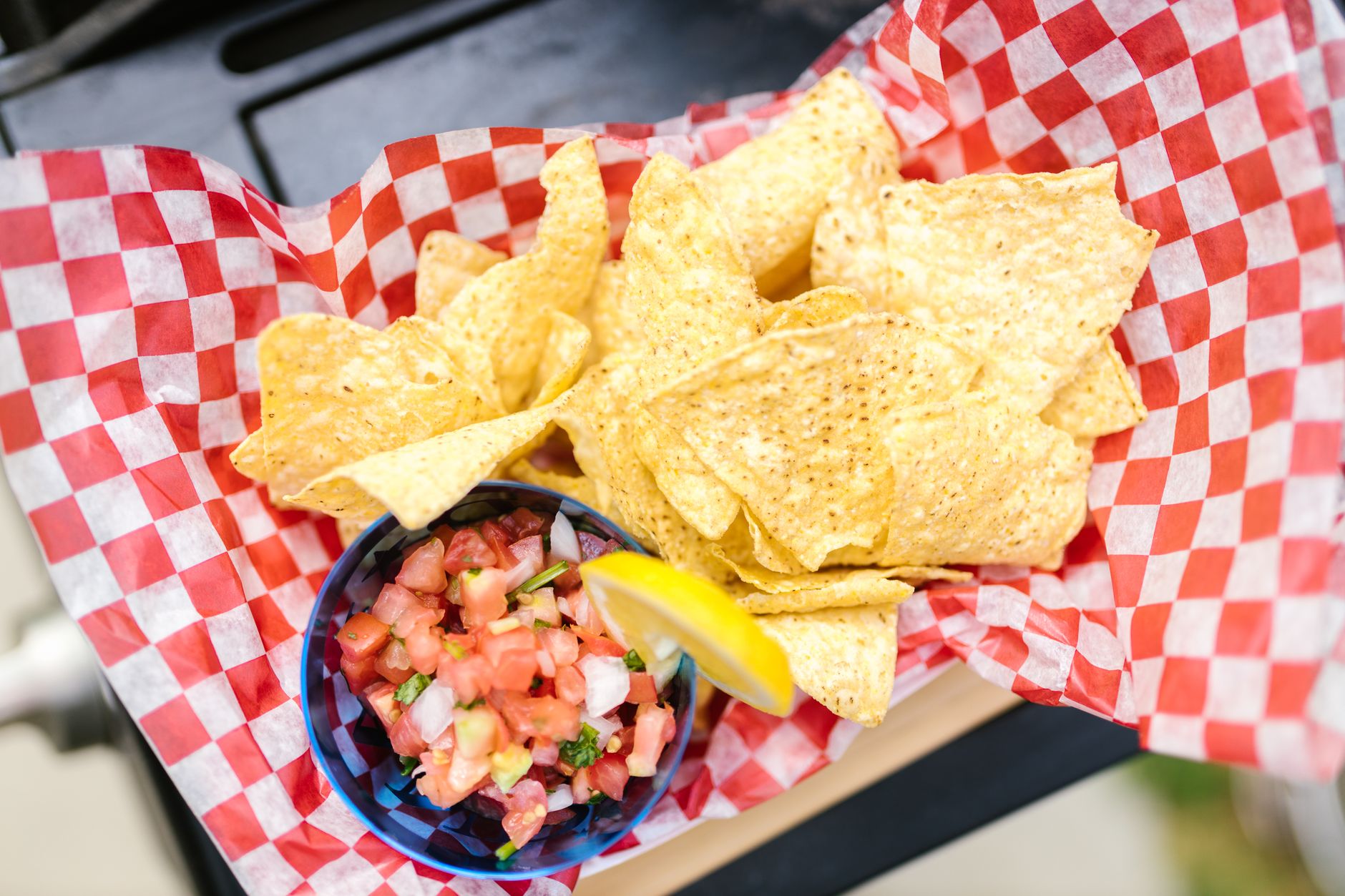
Pico de Gallo is a fresh salsa that originates from Mexico and is beloved for its vibrant flavor and texture. This versatile condiment combines a handful of simple ingredients that come together to create a refreshing topping or side dish. Whether you’re using it to enhance tacos, grilled meats, or simply as a dip for tortilla chips, understanding what’s in pico de gallo is essential for replicating this classic dish at home.
The main components of pico de gallo are fresh tomatoes, onions, cilantro, lime juice, and jalapeño peppers. Each ingredient brings its unique flavor and texture, making pico de gallo a bright and lively addition to any meal. In this article, we will explore the taste profile, texture, kitchen uses, and variations of this delightful condiment.
What Is in Pico De Gallo?
Pico de gallo, sometimes referred to as “fresh salsa,” is a raw salsa made primarily from chopped tomatoes, onions, and cilantro. The addition of lime juice adds a tangy zest, while jalapeño peppers provide a mild heat. The simplicity of these ingredients is what makes pico de gallo distinctive and versatile.
Key Ingredients
- Tomatoes: The foundation of pico de gallo, they provide sweetness and juiciness.
- Onions: Typically white or red onions are used for their sharpness and crunch.
- Cilantro: This herb adds a fresh, aromatic quality that is quintessentially Mexican.
- Lime Juice: It brightens the dish with its tartness, balancing the other flavors.
- Jalapeño Peppers: For those who enjoy some heat, jalapeños add spice without overpowering the other ingredients.
Flavor Profile
The flavor of pico de gallo is bright, fresh, and slightly spicy. The tomatoes provide a natural sweetness, while the onions contribute a sharp, crunchy bite. Cilantro adds an herbal note, and lime juice enhances the overall freshness and acidity. The jalapeños introduce a mild heat, allowing you to customize the level of spiciness according to your preference.
Texture
Pico de gallo has a refreshing crunch thanks to the finely chopped vegetables. The juicy tomatoes create a contrasting softness, while the herbs add lightness. This combination of textures makes pico de gallo both an aesthetically pleasing and enjoyable condiment.
Kitchen Uses for Pico De Gallo
Pico de gallo is incredibly versatile in the kitchen. Here are some popular uses for this vibrant salsa:
Topping for Tacos and Burritos
Adding pico de gallo to your tacos or burritos enhances flavor and texture. Its freshness complements savory fillings like grilled meats, beans, or cheese.
Sauce for Grilled Meats
Pico de gallo serves as a delightful sauce for grilled chicken, beef, or fish. The acidity from the lime juice helps to break down the meat’s richness, creating a perfect balance.
Dip for Tortilla Chips
As a dip, pico de gallo can be served alongside tortilla chips for a quick and healthy snack. Its refreshing taste makes it an excellent crowd-pleaser at gatherings.
Ingredient in Salads
Pico de gallo can also be incorporated into salads, providing a burst of flavor that enhances greens and other vegetables. Consider adding it to a fresh garden salad or mixing it with avocado for a delicious twist.
Flavor Booster for Soups
Right before serving, spooning pico de gallo on top of a warm tortilla soup increases the complexity of flavors in every bowl, adding freshness with every bite.
Making Pico De Gallo at Home
Creating pico de gallo at home is straightforward and requires no cooking. Here’s a simple step-by-step guide to make your own pico de gallo:
Yield and Timing
- Servings: Approximately 4-6 servings
- Preparation Time: 15 minutes
Ingredients
- 4 medium ripe tomatoes, diced (about 2 cups)
- 1 medium onion, finely chopped (about 1 cup)
- 1-2 jalapeño peppers, seeds removed and minced (adjust based on your spice preference)
- 1/4 cup fresh cilantro, chopped
- 2 tablespoons fresh lime juice (about 1 lime)
- Salt, to taste
Essential Equipment
- Sharp knife
- Cutting board
- Mixing bowl
- Measuring spoons
Step-by-Step Method
- Begin by dicing the tomatoes carefully. Remove excess seeds if desired for a less watery salsa.
- Next, finely chop the onion. The size of the pieces can vary based on your texture preference.
- Remove the seeds from the jalapeño pepper for a milder salsa, then mince it. Use gloves if necessary to avoid skin irritation.
- Chop the cilantro, ensuring no stems are included, as they can be tough.
- In a mixing bowl, combine the diced tomatoes, chopped onion, minced jalapeño, and cilantro.
- Add the lime juice and a pinch of salt. Mix everything thoroughly to combine.
- Taste the pico de gallo and adjust the salt or lime juice as necessary to reach your preferred flavor profile.
- Let the pico de gallo sit for about 10 minutes to allow the flavors to meld before serving.
Variations and Substitutions
While the classic pico de gallo recipe is delightful on its own, there are several variations you can try by substituting or adding ingredients:
Variations
- Fruit Pico de Gallo: Incorporate diced mango, pineapple, or peach for a sweet, summery version.
- Spicy Pico de Gallo: Add habanero or serrano peppers instead of jalapeños for extra heat.
- Pico de Gallo with Corn: Include fresh or grilled corn for a sweeter flavor and additional texture.
Substitutions
- Tomatoes: If fresh tomatoes are unavailable, canned tomatoes can be used, but be sure to drain them well to reduce excess liquid.
- Onions: Green onions or scallions can be used as a milder substitute for raw onions.
- Cilantro: Parsley can be used if cilantro is too polarizing for your taste.
Common Mistakes and Troubleshooting
Creating pico de gallo is generally straightforward, but here are some common pitfalls to avoid:
- Using Unripe Tomatoes: For the best flavor, use ripe tomatoes. Unripe tomatoes lack the sweetness and juiciness that make pico de gallo enjoyable.
- Too Much Lime Juice: While lime juice adds brightness, using too much can overwhelm the other flavors. Start with a small amount and adjust gradually.
- Not Letting It Rest: Allowing your pico de gallo to sit for a few minutes after mixing lets the flavors meld together beautifully.
Serving Suggestions and Make-Ahead Guidance
Pico de gallo is best served fresh but can be prepared in advance. Here are some tips for serving and storing it:
Serving Suggestions
- Serve pico de gallo in a bowl alongside tortilla chips for a bright appetizer.
- Use it as a topping for grilled steak or chicken tacos to elevate the flavor.
- Mix it into scrambled eggs for a flavorful breakfast option.
Make-Ahead Guidance
- Pico de gallo can be made a few hours in advance, making it ideal for parties and gatherings. However, it is best consumed within 24 hours for optimal flavor and texture.
- If storing, keep it in an airtight container in the refrigerator. The acidity of the lime juice helps preserve freshness, but be wary of the onions and cilantro wilting over time.
Storage and Reheating
Pico de gallo should not be reheated. Instead, it’s best enjoyed cold or at room temperature. When storing pico de gallo, keep in mind the following:
- Store pico de gallo in an airtight container in the refrigerator for up to 2 days. Avoid leaving it out at room temperature for more than 2 hours to prevent spoilage.
- After a day, the texture may change as the tomatoes release their juices, making it potentially soupy; drain excess liquid if necessary before serving again.
Conclusion
Pico de gallo is a flavorful, fresh condiment that enhances many dishes with its bright taste and vibrant colors. With just a few simple ingredients, you can elevate your meals with homemade pico de gallo. Whether you enjoy it alongside tortilla chips, in tacos, or as a topping for grilled meats, this salsa is sure to be a hit. Try your hand at making it at home to experience the delicious blend of flavors for yourself.
If you’re interested in exploring more delicious recipes or tips on making dressings and sauces, check out our guides on Chipotle Vinaigrette and Salsa Macha.