
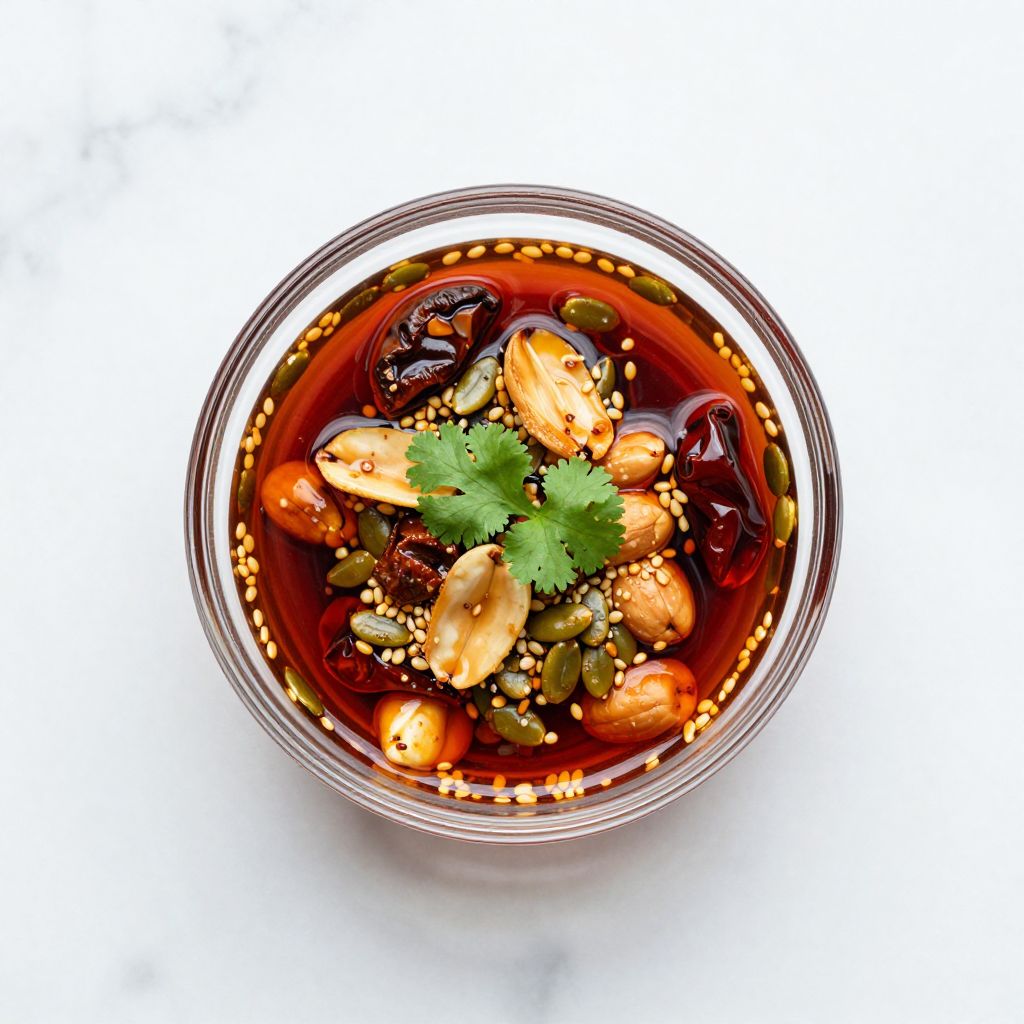
Salsa macha is a smoky, nutty Mexican chili oil packed with toasted seeds, garlic, and dried chilies that transforms everything from tacos to grilled meats into something extraordinary. This traditional Veracruz condiment delivers complex layers of heat and crunch that store-bought versions simply can’t match. Making your own batch means you control the spice level and quality of every ingredient.
The beauty of this recipe lies in its simplicity and versatility. You’ll have a jar of liquid gold ready to drizzle, spoon, or slather onto just about anything your kitchen produces.
Why You’ll Love This Recipe
This salsa macha brings restaurant-quality flavor to your home kitchen without requiring advanced cooking skills. The toasting process releases aromatic oils that create depth you can taste in every spoonful.
- Ready in under 30 minutes with minimal active cooking time
- Keeps for months in the refrigerator, getting better as flavors meld
- Completely customizable to your preferred heat level and nut preferences
- Works as a condiment, cooking oil, and flavor booster all in one
- Costs a fraction of what specialty stores charge for similar products
My Experience Making This Recipe
I first attempted salsa macha after tasting a version at a Mexican restaurant that charged twelve dollars for a tiny jar. The smoky aroma that filled my kitchen during the toasting process convinced me I’d never buy it again.
My initial batch came out slightly bitter because I let the garlic brown too much. The second attempt nailed the balance, and I’ve been hooked ever since.
Friends now request jars as gifts, and I’ve watched people eat it straight from the spoon. The crunchy texture and layers of flavor make it genuinely addictive in ways that surprise even skeptical tasters.
Recipe Overview
- Recipe Name: Salsa Macha
- Servings: 16 (approximately 2 cups)
- Prep Time: 10 minutes
- Cook Time: 15 minutes
- Total Time: 25 minutes
- Course: Condiment
- Cuisine: Mexican
- Calories per Serving: 145
Equipment You Will Need
- Large heavy-bottomed skillet or saucepan
- Wooden spoon or heat-resistant spatula
- Food processor or blender (optional, for smoother texture)
- Fine mesh strainer
- Glass jar with tight-fitting lid for storage
- Measuring cups and spoons
- Small bowl for holding toasted ingredients
Ingredients for Salsa Macha
For the Base
- 1 cup neutral oil (vegetable, canola, or avocado oil)
- 1/2 cup raw peanuts
- 1/4 cup raw pepitas (pumpkin seeds)
- 1/4 cup sesame seeds
- 6 dried guajillo chilies, stems and seeds removed
- 4 dried arbol chilies, stems removed (seeds optional for extra heat)
- 8 cloves garlic, peeled and thinly sliced
- 2 tablespoons apple cider vinegar
- 1 teaspoon salt
- 1/2 teaspoon brown sugar
Ingredient Notes and Substitutions
- Neutral oil: Provides the base that carries flavors without competing with them. Olive oil works but adds a distinct flavor that changes the character.
- Raw peanuts: Give the salsa its signature nutty crunch and body. Substitute raw cashews or almonds for a different flavor profile, though peanuts are traditional.
- Guajillo chilies: Offer mild heat with fruity, tangy notes that form the flavor backbone. Ancho or California chilies can substitute but will taste slightly sweeter.
- Arbol chilies: Bring the primary heat and smoky depth to balance the nuts. Cayenne pepper or red pepper flakes work in a pinch but lack complexity.
- Apple cider vinegar: Adds brightness that cuts through the richness of the oil. White vinegar or lime juice can replace it but will shift the acidity profile.
- Sesame seeds: Contribute a toasted, nutty flavor and textural interest. Sunflower seeds can substitute but offer less traditional flavor.
How to Make Salsa Macha
Step 1: Prepare the Dried Chilies
Remove the stems from both the guajillo and arbol chilies, then shake out most of the seeds if you want a milder salsa. Tear the chilies into smaller pieces to help them toast evenly and release their oils more effectively.
Step 2: Toast the Peanuts
Heat a dry skillet over medium heat and add the peanuts. Toast them for 3 to 4 minutes, stirring frequently, until they become fragrant and develop golden brown spots.
Immediately transfer them to a bowl to stop the cooking process. Leaving them in the hot pan will cause bitter, burnt flavors that ruin the final product.
Step 3: Toast the Seeds
Add the pepitas to the same dry skillet and toast for 2 minutes until they start to pop and turn golden. Transfer them to the bowl with the peanuts.
Toast the sesame seeds last for about 1 minute, watching closely since they burn quickly. The seeds should smell nutty and turn light gold before you remove them.
Step 4: Toast the Chilies
Add the torn chili pieces to the skillet and press them flat with your spatula. Toast each side for about 30 seconds until they become fragrant and slightly darken.
Watch carefully because burnt chilies taste acrid and bitter. You want them toasted but not blackened, which releases their essential oils without destroying them.
Step 5: Fry the Garlic
Pour the oil into the skillet and heat it over medium-low heat. Add the sliced garlic and cook gently for 3 to 4 minutes, stirring constantly.
The garlic should turn golden and crispy but not brown, which happens fast once it starts. Golden garlic adds sweetness, while brown garlic adds bitterness you don’t want.
Step 6: Combine Everything
Reduce heat to low and add the toasted chilies back to the oil with the garlic. Let them sizzle gently for 2 minutes to infuse the oil with their flavor.
Add the toasted nuts and seeds to the skillet along with the salt, brown sugar, and vinegar. Stir everything together and let it cook for another 2 minutes, allowing the flavors to marry.
Step 7: Cool and Adjust
Remove the skillet from heat and let the mixture cool for 10 minutes at room temperature. Taste carefully (it will still be warm) and adjust the salt or vinegar if needed.
The flavors will develop more as the salsa sits, so don’t over-season at this stage. You can always add more salt later but you can’t take it out.
Step 8: Process or Leave Chunky
For a chunkier salsa, transfer everything directly to your storage jar, making sure the oil covers all the solids. For a smoother consistency, pulse half the mixture in a food processor before combining it with the chunky half.
I prefer leaving some texture because the crunch adds interest to whatever you’re topping. A completely smooth version works better as a marinade or cooking oil than a condiment.
Pro Tip: Always let your salsa macha rest for at least 24 hours before using it. The flavors need time to infuse into the oil, and the initial harsh edges will mellow into something balanced and complex.
Tips for the Best Salsa Macha
- Toast each ingredient separately to control the doneness perfectly, since nuts, seeds, and chilies all cook at different rates and burn at different temperatures.
- Use fresh dried chilies rather than ones that have been sitting in your pantry for years, as old chilies lose their essential oils and won’t deliver the same depth of flavor.
- Keep the heat medium to medium-low throughout the cooking process to prevent any single ingredient from burning and turning the entire batch bitter.
- Store your salsa macha in a glass jar rather than plastic, as the oil can leach chemicals from plastic containers over time and glass preserves the flavors better.
- Always use a clean, dry spoon when scooping out salsa to prevent introducing moisture that can cause spoilage or mold growth.
- Double or triple the batch since it keeps for months and makes excellent gifts that people actually want to receive.
Common Mistakes to Avoid
- Burning the garlic by cooking it over high heat, which creates a bitter flavor that permeates the entire batch and can’t be fixed.
- Using too much heat when toasting chilies, causing them to blacken and taste acrid instead of smoky and complex.
- Skipping the resting period and using the salsa immediately, which means you miss out on the developed flavors that make it special.
- Adding wet ingredients like fresh chilies or tomatoes, which will cause the oil to splatter dangerously and reduce the shelf life dramatically.
- Not storing the salsa with enough oil covering the solids, which allows oxidation and can lead to rancid flavors or mold.
Serving Suggestions
This versatile condiment works on almost anything that needs a flavor boost with heat and crunch. Spoon it generously over dishes or use it as a cooking medium to add depth from the start.
- Drizzle over tacos, quesadillas, or enchiladas for an instant upgrade from standard hot sauce
- Spoon onto fried or scrambled eggs to transform a simple breakfast into something memorable
- Toss with roasted vegetables or use as a marinade for grilled chicken, fish, or shrimp
- Stir into mayonnaise or sour cream to create a spicy, nutty spread for sandwiches
- Use as a finishing oil for soups, especially pozole, tortilla soup, or black bean soup
Variations to Try
- Add 2 tablespoons of dried shrimp for a funky, umami-rich version popular in coastal regions that adds serious depth and savory complexity.
- Include a cinnamon stick and 2 cloves during the oil heating stage for a subtle warm spice note that works beautifully with pork dishes.
- Swap half the peanuts for chopped pecans or walnuts to create a richer, more buttery flavor profile that feels a bit more luxurious.
- Mix in a tablespoon of cocoa powder after cooling for a mole-inspired version that adds earthy bitterness balancing the heat.
- Use all arbol chilies instead of the guajillo-arbol mix for a significantly hotter version that will challenge spice lovers.
Dietary Adaptations
- Gluten-free: This recipe is naturally gluten-free as written, containing no wheat products or gluten-containing ingredients whatsoever.
- Dairy-free: Completely dairy-free with no butter, milk, or cheese, making it safe for lactose-intolerant folks or vegan diets.
- Vegan: Naturally vegan unless you add the optional dried shrimp variation, which you can skip or replace with nori flakes for umami.
- Keto/Low-carb: The nuts and seeds add some carbs but it’s keto-friendly in small amounts, though you might reduce the peanuts and increase the pepitas for fewer carbs.
- Nut-free: Replace peanuts entirely with additional pepitas and sunflower seeds, though you’ll lose some of the traditional rich, nutty character.
Storage and Reheating
Refrigerator
Store your salsa macha in a clean glass jar with a tight-fitting lid in the refrigerator for up to 3 months. Make sure the oil always covers the solids completely to prevent oxidation and preserve freshness.
- Always use a clean, dry spoon to prevent contamination
- If the oil solidifies in the cold, let it sit at room temperature for 15 minutes before using
- Check occasionally for any signs of mold or off smells, though this rarely happens with proper storage
Freezer
Freezing isn’t necessary given the long refrigerator life, but you can freeze salsa macha for up to 6 months if desired. Portion it into ice cube trays or small containers for easy single-use servings.
- Thaw overnight in the refrigerator rather than at room temperature
- The texture may separate slightly after freezing, so stir well before using
Reheating
Salsa macha doesn’t require reheating for most uses, but gentle warming can help if the oil has solidified. Never microwave it, as this can cause dangerous splattering from moisture in the ingredients.
- Set the jar in warm water for a few minutes to liquify the oil
- Gently warm in a small pan over low heat if using as a cooking oil
Nutrition Information
| Nutrient | Amount |
|---|---|
| Calories | 145 |
| Total Fat | 14g |
| Saturated Fat | 2g |
| Carbohydrates | 4g |
| Fiber | 1g |
| Sugar | 1g |
| Protein | 3g |
| Sodium | 150mg |
| Cholesterol | 0mg |
Nutritional values are approximate and will vary based on specific brands and measurements used. This condiment is calorie-dense due to the oil and nuts, so a little goes a long way for flavor impact.
Frequently Asked Questions
Can I use roasted nuts instead of raw ones?
You can, but raw nuts give you better control over the toasting level and prevent over-browning that leads to bitterness. Pre-roasted nuts often contain salt or oils that can throw off the flavor balance you’re trying to achieve.
How far in advance can I make salsa macha?
Make it up to 3 months ahead and store it in the refrigerator, where the flavors actually improve over time. The first week is good, but weeks two through eight are when it truly shines as everything melds together.
Why is my salsa macha bitter?
Bitterness comes from burning the garlic, chilies, or nuts during the toasting process. Keep your heat medium to medium-low and watch everything carefully, removing ingredients from the pan the moment they reach the right color.
Can I make this without a food processor?
Absolutely, and many people prefer the chunky texture of unprocessed salsa macha. Just transfer everything to your jar and you’re done, no blending required.
What’s the white film on top of my stored salsa?
That’s likely solidified oil from refrigeration, which is completely normal and safe. Let the jar sit at room temperature for 15 minutes and the oil will liquify again, or just stir it back in.
Can I reduce the oil amount to make it less greasy?
You need enough oil to cover all the solids for proper preservation and flavor infusion. Using less oil will shorten the shelf life and prevent the ingredients from developing their full flavor potential.
How spicy is salsa macha compared to other hot sauces?
It sits at a medium heat level, spicier than sriracha but milder than habanero-based sauces. The nuts and oil mellow the heat considerably, making it more about flavor complexity than pure fire.
Final Thoughts
Making your own salsa macha transforms how you think about condiments and flavor building in your kitchen. The combination of smoky chilies, crunchy nuts, and infused oil creates something that elevates even the simplest meals into something worth talking about.
Once you taste homemade salsa macha, those expensive store-bought jars will seem like a waste of money. Give this recipe a try and watch it become your most-requested homemade gift and your secret weapon for adding instant depth to weeknight dinners.
Salsa Macha
Ingredients
Equipment
Method
- Remove the stems from both the guajillo and arbol chilies, then shake out most of the seeds if you want a milder salsa. Tear the chilies into smaller pieces to help them toast evenly and release their oils more effectively.
- Heat a dry skillet over medium heat and add the peanuts. Toast them for 3 to 4 minutes, stirring frequently, until they become fragrant and develop golden brown spots. Immediately transfer them to a bowl to stop the cooking process.
- Add the pepitas to the same dry skillet and toast for 2 minutes until they start to pop and turn golden. Transfer them to the bowl with the peanuts.
- Toast the sesame seeds last for about 1 minute, watching closely since they burn quickly. The seeds should smell nutty and turn light gold before you remove them.
- Add the torn chili pieces to the skillet and press them flat with your spatula. Toast each side for about 30 seconds until they become fragrant and slightly darken. Watch carefully because burnt chilies taste acrid and bitter.
- Pour the oil into the skillet and heat it over medium-low heat. Add the sliced garlic and cook gently for 3 to 4 minutes, stirring constantly. The garlic should turn golden and crispy but not brown.
- Reduce heat to low and add the toasted chilies back to the oil with the garlic. Let them sizzle gently for 2 minutes to infuse the oil with their flavor.
- Add the toasted nuts and seeds to the skillet along with the salt, brown sugar, and vinegar. Stir everything together and let it cook for another 2 minutes, allowing the flavors to marry.
- Remove the skillet from heat and let the mixture cool for 10 minutes at room temperature. Taste carefully and adjust the salt or vinegar if needed.
- For a chunkier salsa, transfer everything directly to your storage jar, making sure the oil covers all the solids. For a smoother consistency, pulse half the mixture in a food processor before combining it with the chunky half.
- Let your salsa macha rest for at least 24 hours before using it to allow the flavors to infuse into the oil.