
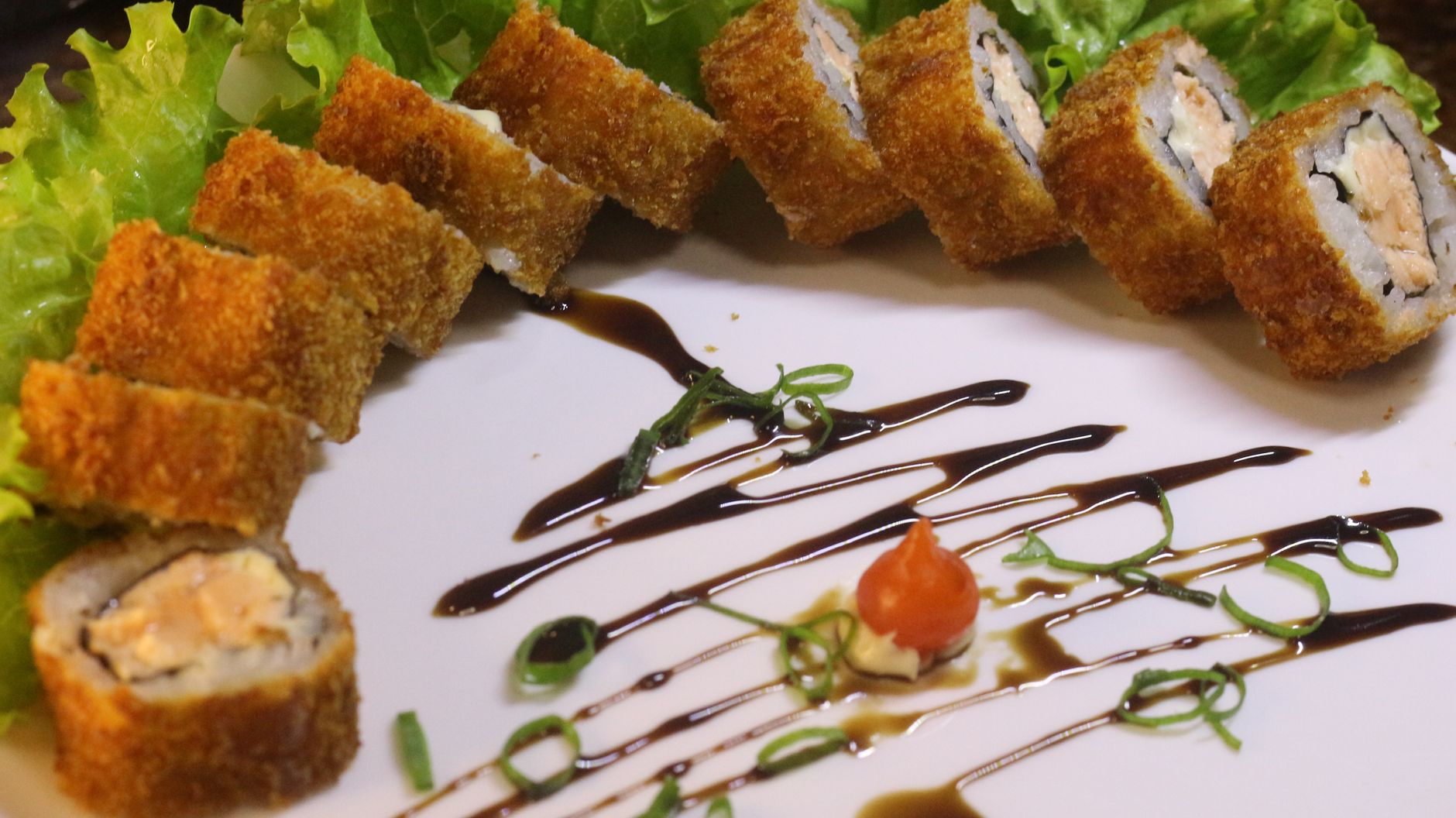
Crunchy rolls are a popular sushi variety known for their crispy texture and delightful fusion of flavors. This guide will delve into what makes a crunchy roll unique, focusing on its ingredients, taste profile, texture, and various applications in the kitchen. Understanding these aspects will help you appreciate this dish and might inspire you to create your own version at home.
In this article, we will explore the key ingredients that define a crunchy roll, their contribution to the overall flavor and texture, and even offer some creative tips for making and serving crunchy rolls. Whether you are a seasoned sushi lover or a novice home cook, you’ll find valuable insights and practical information here.
What Is in a Crunchy Roll?
A crunchy roll typically consists of sushi rice, nori (seaweed), various fillings, and a crunchy element that sets it apart from other sushi rolls. Common fillings include shrimp tempura, crabmeat, and avocado, while the crunchy element often comes from tempura flakes or panko breadcrumbs. The combination of these ingredients creates a satisfying contrast between creamy, savory, and crispy textures.
Ingredients of a Crunchy Roll
To prepare a classic crunchy roll, you will need the following main ingredients:
- Sushi Rice: Sticky rice is essential for binding the roll together.
- Nori: Seaweed sheets that wrap around the sushi filling.
- Protein: Common choices include shrimp tempura or imitation crab.
- Vegetables: Avocado, cucumber, or carrots often provide freshness.
- Crunchy Element: Tempura flakes or panko breadcrumbs add texture.
- Sauce: A drizzle of eel sauce, spicy mayo, or soy sauce enhances flavor.
Taste Profile of a Crunchy Roll
The taste of a crunchy roll is a harmonious blend of various flavors. The sushi rice is slightly sweet and tangy from the rice vinegar, while the fillings provide a rich umami flavor. Shrimp tempura contributes a crunchy, savory element, balanced by the creaminess of avocado or the freshness of cucumber. The addition of sauces can add a spicy kick or a touch of sweetness, depending on personal preference.
Texture Characteristics
Texture is a hallmark of the crunchy roll, marked by its contrasts. The main texture comes from sushi rice, which is sticky yet tender. This is complemented by the crispy texture of the tempura flakes or panko breadcrumbs, creating a crunch that enhances each bite. The use of creamy ingredients like avocado adds another layer of texture, creating a satisfying mouthfeel.
Essential Equipment for Making Crunchy Rolls
Having the right equipment can significantly affect the quality of your crunchy roll. Here’s a list of essential tools:
- Sushi Mat: For rolling the sushi evenly.
- Sharp Knife: A crucial tool for slicing the rolls cleanly.
- Rice Cooker: Useful for cooking sushi rice to the perfect texture.
- Mixing Bowl: For combining sushi rice with vinegar and other seasonings.
- Measuring Cups and Spoons: For accurate ingredient quantities.
Step-by-Step Method to Make Crunchy Rolls
Here’s a straightforward method for preparing crunchy rolls at home. This guide yields approximately 4 rolls, serving 2 to 4 people, depending on appetite. The total preparation time is about 60 minutes.
- Prepare the Sushi Rice: Rinse 2 cups of sushi rice under cold water until the water runs clear. Cook according to your rice cooker’s instructions, usually requiring around 2 ½ cups of water and 20-30 minutes. Once cooked, let it cool slightly.
- Season the Rice: In a small bowl, mix ¼ cup rice vinegar, 2 tablespoons brown sugar, and 1 teaspoon salt. Gently fold this mixture into the warm rice, taking care not to break the grains.
- Prepare the Fillings: While the rice cools, prepare your fillings. If using shrimp tempura, heat oil in a pan and fry shrimp coated in tempura batter until golden brown. Slice avocado and cucumber into thin strips.
- Assemble the Roll: Place a sheet of nori, shiny side down, on your sushi mat. Wet your hands to prevent sticking, then spread a thin layer of sushi rice over the nori, leaving about an inch at the top edge. Add your protein and vegetable fillings in a line across the middle.
- Add Crunchy Element: Sprinkle tempura flakes or panko breadcrumbs over the filling for added crunch.
- Roll It Up: Starting from the end closest to you, roll the sushi tightly using the mat, pressing gently but firmly to ensure it holds together. Seal the roll by dampening the edge of the nori with water.
- Slice and Serve: Use a sharp knife dipped in water to slice the roll into bite-sized pieces. Serve with soy sauce, wasabi, and pickled ginger.
Practical Substitutions and Variations
You can customize crunchy rolls based on your dietary preferences or what you have on hand. Here are some common substitutions and ideas:
- Protein Alternatives: Instead of shrimp tempura, try grilled eel, tofu, or vegetables for a vegetarian option.
- Sauce Variations: Mix mayonnaise with sriracha for a spicy mayo or add a sweet chili sauce for a different flavor profile.
- Vegetable Options: Experiment with other crunchy vegetables like bell peppers or radishes for extra flavor and texture.
- Rice Substitutes: Cauliflower rice can be a low-carb alternative for those avoiding grains.
Common Mistakes and Troubleshooting
Here are some common pitfalls to avoid when making crunchy rolls, along with troubleshooting tips:
- Sticky Rice: If your rice is too sticky, it may be overcooked or not rinsed adequately. Always rinse the rice until the water runs clear, and follow cooking times carefully.
- Rolls Falling Apart: Ensure that you’re not overstuffing the roll and rolling it tightly to prevent it from falling apart during slicing.
- Nori Not Sealing: If the nori doesn’t stick together, a little water along the edge can help seal it securely.
- Cuts Not Clean: A wet, sharp knife will make cleaner cuts through the rice and fillings.
Serving Suggestions for Crunchy Rolls
Crunchy rolls are versatile and can be served in various settings, whether for a casual meal at home or a more formal gathering. Here are some serving ideas:
- Include pickled ginger and wasabi on the side to complement the flavors.
- Serve alongside a bowl of miso soup or a fresh salad for a complete meal.
- For entertaining, arrange multiple types of sushi rolls on a platter, allowing guests to enjoy a variety.
Storing and Reheating Crunchy Rolls
Fresh sushi is best enjoyed immediately; however, you may have leftovers. Here’s how to store them correctly:
Wrap the leftover rolls tightly in plastic wrap and refrigerate for up to 24 hours. For the best texture, avoid freezing crunchy rolls, as the rice and fillings may not maintain their quality upon thawing. If you need to reheat shrimp tempura, you can gently warm it in a toaster oven for a few minutes to restore some crispiness. However, avoid reheating the sushi itself, as it can degrade in quality.
Creative Uses for Crunchy Roll Ingredients
The ingredients used to make crunchy rolls can also be repurposed in various dishes. Here are some ideas:
- Use leftover sushi rice to create rice bowls topped with grilled meats or vegetables.
- Incorporate tempura flakes into salads for an extra crunch.
- Create sushi-inspired sandwiches with nori, fillings, and spreads for a fun twist on lunch.
In summary, crunchy rolls offer a unique culinary experience with their combination of flavors and textures. With a little practice, you can create them at home that rival those from sushi restaurants. Experiment with different ingredients and flavors to suit your palate, and enjoy the delightful crunch that defines this dish.
For more delicious recipes and cooking tips, explore our guides on caramel rolls and cinnamon rolls with heavy cream. Happy cooking!