
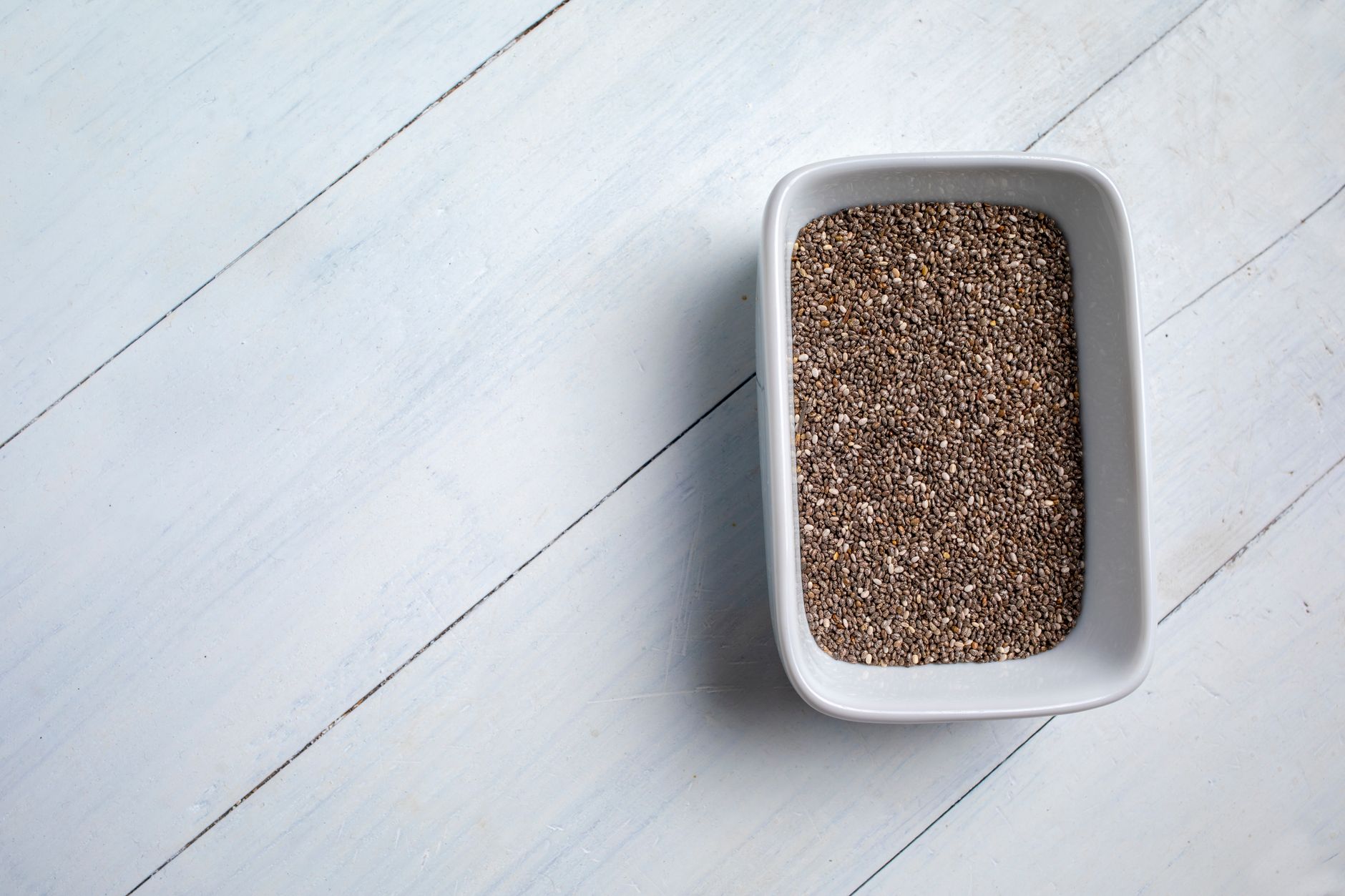
Chia seeds have gained popularity as a superfood, especially among health enthusiasts. But if you’re watching your carbohydrate intake, you might be wondering, do chia seeds have carbs? Understanding their carb content and nutrition facts can help you incorporate them wisely into your diet. This article delves into the carbohydrate content of chia seeds and offers insights on serving sizes, nutritional benefits, and how to use them effectively.
While chia seeds are indeed rich in nutrients, they contain carbohydrates. This piece will provide a detailed breakdown of their carbohydrate content, along with serving size recommendations, nutritional facts, and practical ways to add chia seeds to your meals while considering your dietary needs.
Do Chia Seeds Have Carbs?
Yes, chia seeds do contain carbohydrates. In a standard serving of 28 grams (about 2 tablespoons), there are roughly 12 grams of carbohydrates. However, much of this carbohydrate content comes from dietary fiber, which is beneficial for digestive health. When assessing carbs in chia seeds, it’s also important to consider their overall nutritional profile and how they can fit into various dietary plans.
Nutritional Profile of Chia Seeds
Chia seeds are tiny but pack a significant nutritional punch. Here’s a breakdown of the nutrients found in a one-ounce (28-gram) serving of chia seeds:
- Calories: 137
- Protein: 4 grams
- Fat: 9 grams (mostly unsaturated fats)
- Carbohydrates: 12 grams
- Fiber: 11 grams
- Calcium: 18% of the Daily Value (DV)
- Magnesium: 30% of the DV
- Phosphorus: 27% of the DV
- Potassium: 5% of the DV
Chia seeds are also a great source of antioxidants, which can help combat free radicals in the body. The high fiber content is particularly notable since it can aid in digestion and promote a feeling of fullness.
Understanding Carbohydrates in Chia Seeds
Of the 12 grams of carbohydrates in chia seeds, about 11 grams come from dietary fiber. This fiber is often classified as soluble fiber. It absorbs water and forms a gel-like consistency, aiding in digestion and contributing to satiety. Since fiber is not digested by the body in the same way as other carbohydrates and has minimal impact on blood sugar levels, many people subtract fiber from total carbohydrate counts when assessing their intake.
Net Carbs in Chia Seeds
When following a low-carb or ketogenic diet, it’s common to calculate “net carbs,” which are total carbohydrates minus fiber. In the case of chia seeds, this means:
Net Carbs: 12 grams (total carbs) – 11 grams (fiber) = 1 gram of net carbs per serving.
Benefits of Including Chia Seeds in Your Diet
Here are some of the benefits of adding chia seeds to your diet, especially given their carbohydrate content:
- Supports digestive health: The high fiber content promotes regularity and supports gut health.
- Provides heart-healthy fats: Chia seeds are a good source of omega-3 fatty acids, which are beneficial for heart health.
- Aids weight management: The fiber and protein content help you feel fuller for longer, which can reduce overall calorie intake.
- Rich in antioxidants: Antioxidants in chia seeds can help combat oxidative stress in the body.
- Versatile ingredient: Chia seeds can be used in various dishes, from smoothies to salads, making them easy to incorporate into meals.
How to Serve Chia Seeds
Chia seeds can be consumed in many forms. Here are a few serving suggestions to add them to your diet:
1. Chia Seed Pudding
Chia seed pudding is an effortless way to enjoy these seeds. Combine chia seeds with milk (dairy or plant-based) and let them soak overnight. This preparation creates a creamy dessert-like dish or breakfast option.
2. Smoothies
Add a tablespoon of chia seeds to your smoothies for an extra boost of nutrition. They will blend well and add thickness without altering the flavor.
3. Toppings
Sprinkle chia seeds on salads, yogurt, oatmeal, or cereals for added texture and nutrients.
4. Baking
Chia seeds can be added to baking recipes, such as breads and muffins, giving a nutritional boost and unique texture. You can even use them as an egg substitute by mixing ground chia seeds with water.
Measuring the Right Serving Size
To reap the maximum health benefits while managing carbohydrate intake, a standard serving size of chia seeds is typically about 28 grams, or 2 tablespoons. Here are some tips for measuring:
- Use a standard tablespoon to measure chia seeds to ensure consistent serving sizes.
- Store chia seeds in an airtight container in a cool, dark place to maintain freshness.
- Keep track of your intake, especially when combining them with other high-fiber foods.
Practical Tips for Using Chia Seeds
Here are a few practical tips to consider when using chia seeds in your meals:
- Soaking: Soaking chia seeds in liquid before consuming can help improve their digestibility and texture. Consider soaking them in water, milk, or juice for at least 30 minutes or overnight for best results.
- Experiment with flavors: Chia seeds are relatively neutral in taste. Adding vanilla extract, cocoa powder, or fruit blends can enhance their flavor.
- Gradually increase intake: If you’re new to chia seeds, start with smaller amounts to allow your digestive system to adjust to the added fiber.
- Stay hydrated: Since chia seeds absorb a lot of water, drinking plenty of fluids can help counteract any potential digestive discomfort.
Common Mistakes When Using Chia Seeds
While chia seeds can be a nutritious addition to your diet, there are a few common mistakes to avoid:
- Not soaking: Skipping the soaking step can lead to a gritty texture and possible digestive discomfort.
- Overconsumption: Eating large amounts may lead to bloating or digestive issues due to the high fiber content. Stick to recommended serving sizes.
- Neglecting to monitor carbohydrate intake: If you’re on a low-carb diet, be cautious about how many servings you consume, considering the total carbohydrate content.
Storage and Shelf Life of Chia Seeds
Proper storage can help maintain the quality and nutritional value of chia seeds. Here’s how to store them effectively:
- Keep chia seeds in an airtight container to protect them from moisture and air.
- Store them in a cool, dark place, such as a pantry or cupboard, away from direct sunlight.
- Check expiration dates, and if properly stored, chia seeds can last for about two years.
Conclusion
Understanding the carbohydrate content of chia seeds is essential for incorporating them wisely into your diet. While they do contain carbohydrates, the high fiber content means they provide health benefits, especially when considering net carbs. Adding them to your meals can enhance their nutritional profile without significantly impacting your carbohydrate intake.
Now that you know the carbohydrate content and benefits of chia seeds, you can confidently explore ways to include them in your diet. Whether enjoying chia pudding, blending them into smoothies, or using them as toppings, these tiny seeds can pack a nutritious punch in your meals.
For more information on the benefits of chia seeds, consider visiting this article. You might also be interested in learning about soaking chia seeds for optimal use. Explore more related recipes and cooking tips to further enrich your culinary experiences!