
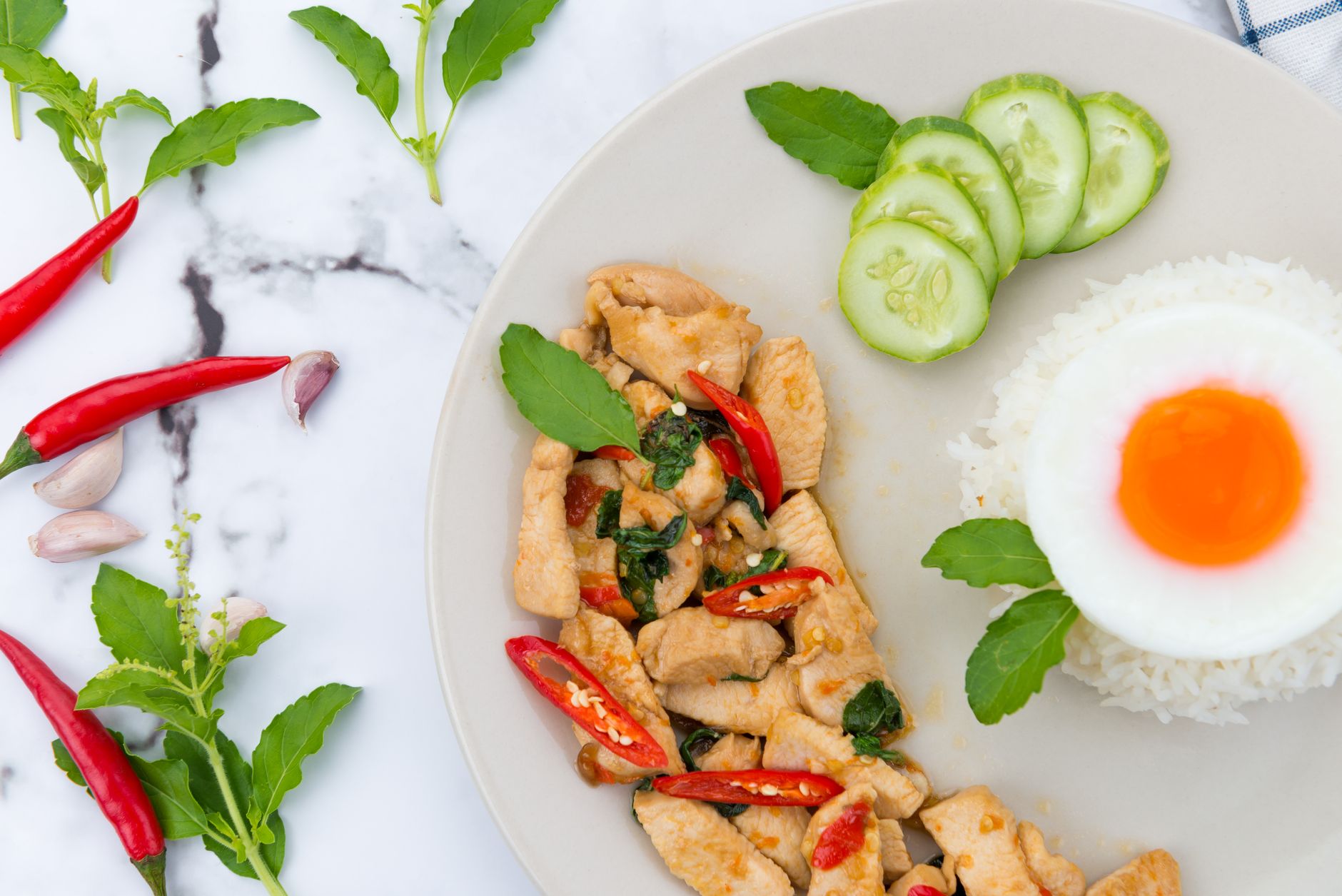
Hunan cuisine, known for its bold flavors and aromatic spices, serves as one of China’s most celebrated regional dishes. Originating from Hunan Province, this cuisine is often characterized by its use of fresh ingredients, fragrant herbs, and an unmistakable heat. Ideal for those who seek vibrant and fiery meals, Hunan dishes have gained popularity worldwide.
In this guide, we explore what defines Hunan cuisine, its key ingredients, flavor profiles, and practical tips on how to serve it authentically.
What Is Hunan?
Hunan, a province situated in south-central China, boasts a rich culinary tradition that reflects local agriculture and cultural influences. Unlike its more widely known counterpart, Sichuan cuisine, which features bold and pungent flavors with a focus on numbing spices, Hunan cuisine emphasizes fresh chilies, smoked meats, and various cooking techniques like steaming and stir-frying. The overall flavor profile is spicy, sour, and aromatic, making it a distinct addition to the Chinese culinary landscape.
Key Ingredients in Hunan Cuisine
Hunan cuisine utilizes a variety of ingredients that contribute to its spicy and complex flavors. Here are some essential components you will frequently encounter:
- Fresh Chilies: The backbone of Hunan cuisine, fresh red and green chilies are used liberally in dishes, providing authentic heat. Varieties such as Tianmian or Dried Red Chilies are commonly used.
- Smoked Meats: Hunan is known for its unique curing and smoking methods, with smoked pork and fish often appearing in dishes.
- Fermented Products: Fermented soy products like Doubanjiang (fermented broad bean paste) and pickled vegetables intensify flavor and add depth.
- Aromatic Herbs and Spices: Common seasonings include ginger, garlic, scallions, and Chinese five-spice powder, enhancing the overall flavor.
- Vegetables: Locally grown vegetables, particularly seasonal greens, eggplants, and mushrooms, are often included to balance dishes.
- Rice and Noodles: Steamed rice and a variety of noodles often serve as staples or accompaniments to main dishes.
Flavor Profile of Hunan Cuisine
The flavor profile of Hunan cuisine is robust and dynamic, often balancing heat with other taste elements. Key characteristics include:
- Spiciness: Dishes often feature a strong kick, thanks to the use of fresh and dried chilies.
- Sourness: Many dishes have a tangy quality, which can come from ingredients like vinegar or pickled vegetables.
- Aromatics: The use of fresh herbs and spices infuses dishes with wonderful fragrances that elevate the eating experience.
- Umami: Fermented and smoked ingredients contribute to a rich and satisfying umami flavor, providing an irresistible depth.
Common Cooking Techniques in Hunan Cuisine
Hunan chefs employ various cooking methods that enhance the taste and texture of ingredients.
Stir-Frying
This technique involves quick cooking over high heat, often with the use of a wok. It retains the freshness and crunchiness of ingredients, particularly vegetables, while allowing spices to bloom.
Steaming
Steaming is a popular method used for cooking fish and dumplings. It preserves the natural flavors and moisture, resulting in tender textures without the need for excessive oil.
Smoking
The unique aspect of Hunan cuisine, smoking adds a rich flavor to meats. Techniques vary with ingredients placed over wood chips to absorb the aromatic smoke.
Braising
Braising involves cooking ingredients slowly in a flavorful liquid, taming the heat and allowing for deeper flavors to develop, particularly perfect for meats.
How to Serve Hunan Dishes
Serving Hunan cuisine varies based on the context and type of meal. Here are practical tips for an authentic experience:
- Complement with Rice or Noodles: Most Hunan dishes are served alongside steamed rice or noodles to balance the heat.
- Add Fresh Garnishes: Fresh herbs, such as coriander or scallions, can enhance the visual appeal and add freshness.
- Offer Variety: A traditional meal often encompasses several dishes, including a mix of meats, vegetables, and a soup, allowing guests to taste various flavors.
- Consider Pairing: Hunan cuisine pairs well with light Chinese teas or refreshing drinks to cool the palate.
Popular Hunan Dishes to Try
If you are keen to explore Hunan cuisine, consider the following signature dishes:
Hunan Spicy Chicken (Dui Wei Ji)
This dish highlights marinated chicken stir-fried with peanuts, chilies, and aromatics, delivering a spicy flavor profile that excites the taste buds.
Steamed Fish with Chopped Chili
A delicate fish fillet is steamed and generously topped with chopped fresh chilies and garlic, creating a simple yet profoundly flavorful dish.
Smoked Pork with Dried Radish
This dish features smoked pork cooked with dried radish, creating a rich and savory blend that intermingles with the natural sweetness of the radishes.
Spicy Stir-Fried Eggplant
Eggplant absorbs flavors beautifully, and in this dish, it is stir-fried with a generous amount of chili sauce and garlic, producing a vibrant main or side dish.
Common Mistakes When Preparing Hunan Cuisine
Hunan cuisine is flavorful, but certain pitfalls may arise if not approached with care. Here are some common mistakes to avoid:
- Underestimating Heat: Hunan dishes are known for their spiciness. Be cautious not to reduce the amount of chilies too much unless you want a milder flavor.
- Choosing Low-Quality Ingredients: Freshness is key in Hunan cooking. Opt for high-quality meats, vibrant vegetables, and fresh herbs for the best results.
- Rushing Cooking Times: Many Hunan recipes rely on proper cooking techniques. Taking the time to stir-fry or braise can greatly enhance flavor and texture.
- Neglecting Balance: It’s tempting to overpower dishes with heat; however, achieving a balance of flavors is essential for a well-rounded meal.
Practical Tips for Cooking Hunan Cuisine
Enhance your cooking experience with these practical tips:
- Prep Ingredients Ahead: Measure and chop ingredients beforehand to make the cooking process seamless and fast-paced.
- Layer Flavors: Add ingredients to the heat at different times to allow each one to develop its unique flavor before combining them.
- Taste as You Cook: Continuously tasting while cooking enables adjustments in seasoning to ensure a well-balanced final dish.
Storing and Reheating Hunan Dishes
Proper storage and reheating can help maintain the integrity of Hunan dishes:
- Storing: Store leftovers in airtight containers in the refrigerator. Most Hunan dishes can last for 3 to 4 days, but utilize them sooner for the best flavors.
- Reheating: Gently reheat in a pan over low heat or in the microwave while adding a splash of water to maintain moisture. Avoid boiling to prevent overcooking.
Conclusion
Hunan cuisine offers a culinary adventure filled with unique flavors, vibrant colors, and diverse textures. Understanding the key ingredients, cooking techniques, and serving methods enhances your appreciation for this delicious cuisine. By experimenting with classic Hunan dishes in your kitchen, you can discover the delightful balance of heat, umami, and freshness characteristic of this region.
Explore more about Hunan dishes and cooking tips while discovering other flavorful cuisines that tantalize the palate! Whether you’re interested in various Chinese cooking methods or wish to learn more about specific dishes, you’ll find plenty of resources to enhance your culinary journey.