
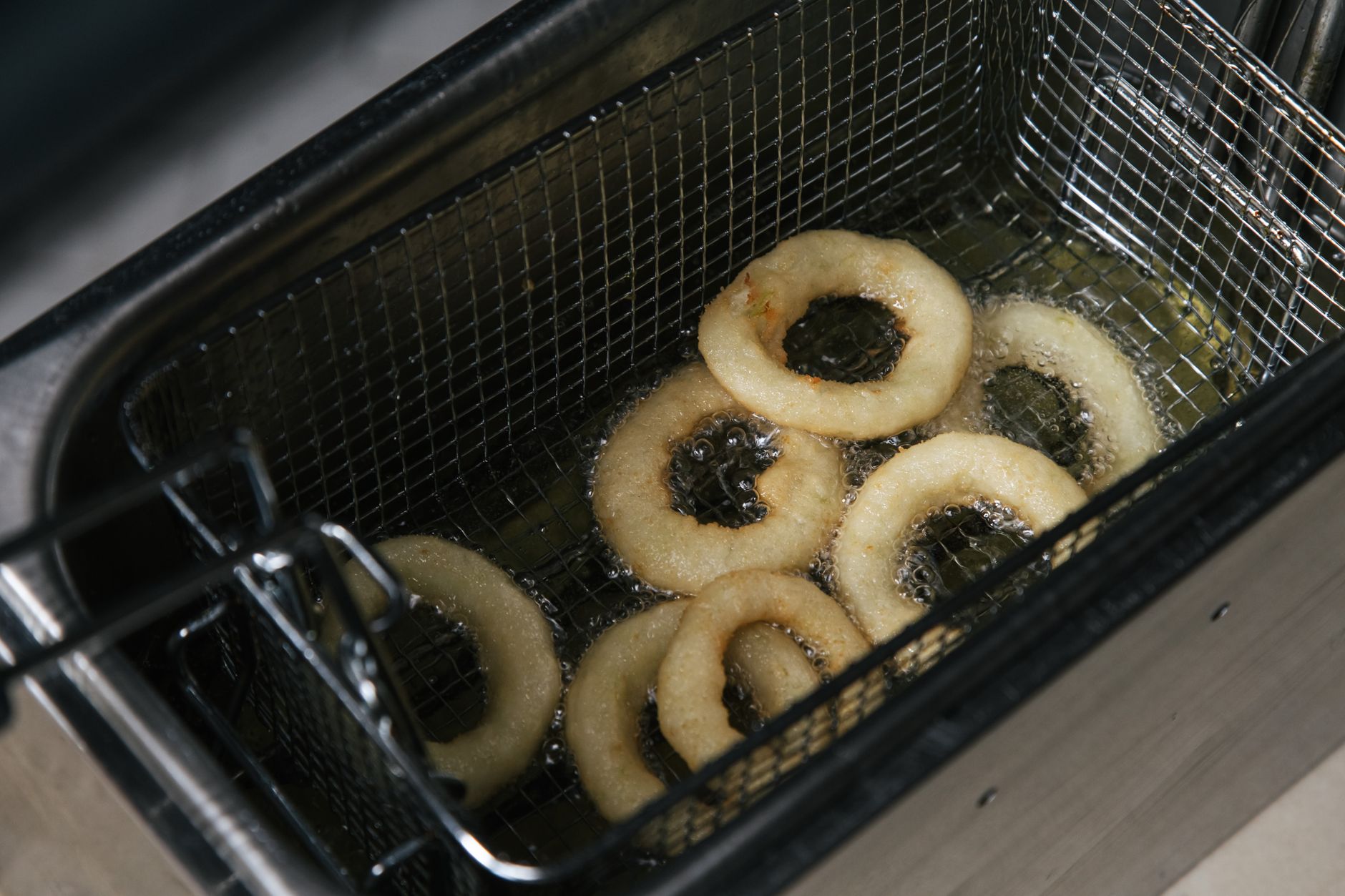
Deep frying is a popular cooking technique that creates crispy and flavorful dishes. One crucial choice in the deep frying process is the type of oil used. Olive oil, with its rich flavor and various health benefits, is often debated among home cooks looking to achieve that perfect fry. So, can you deep fry in olive oil? The answer is yes, but there are important considerations regarding its smoke point, flavor, and best practices to keep in mind.
This guide will explore the ins and outs of deep frying in olive oil, including preparation techniques, timing, and serving tips to ensure you achieve delicious results each time. Let’s dive into the details.
Can You Deep Fry in Olive Oil?
Yes, you can deep fry in olive oil. However, its smoke point is lower than that of many other oils traditionally used for deep frying. Virgin olive oil has a smoke point of around 420°F (215°C), while extra virgin olive oil is closer to 375°F (190°C). This means when deep frying, you need to monitor the temperature closely to prevent burning and maintain the quality of the oil.
Understanding Olive Oil
Olive oil is derived from pressed olives and comes in various types, each with distinct flavors and uses:
- Extra Virgin Olive Oil: Made from the first pressing of olives, it has a robust flavor and is rich in antioxidants. Ideal for drizzling and sautéing, it can also be used for frying, but caution is needed due to its lower smoke point.
- Virgin Olive Oil: Similar to extra virgin but may have minor defects in flavor. It is suitable for frying and has a higher smoke point than extra virgin olive oil.
- Pure Olive Oil: A blend of refined and virgin olive oils, it has a higher smoke point (around 465°F or 240°C) and is often recommended for deep frying.
- Light Olive Oil: Technically not lighter in calories but rather a lighter flavor, this oil has the highest smoke point and is suitable for various frying techniques.
Why Use Olive Oil for Deep Frying?
Choosing olive oil for deep frying is not only about its flavor but also its health benefits. Olive oil is rich in monounsaturated fats, antioxidants, and has anti-inflammatory properties. By using olive oil, you can create a dish that is not only crispy but also on the healthier side compared to frying in oils high in saturated fats.
Getting Ready for Deep Frying with Olive Oil
To successfully deep fry with olive oil, you’ll need to prepare your ingredients, equipment, and ensure proper cooking techniques. Here’s how to get started:
Essential Equipment
- Deep fryer or a heavy-bottomed pot or Dutch oven
- Thermometer (deep-frying thermometer or instant-read thermometer)
- Slotted spoon or spider to remove food from hot oil
- Wire rack or paper towels for draining
- Heatproof container for used oil
Preparing Your Ingredients
- Choose your food items: Potato wedges, vegetables, calamari, or chicken are popular choices for frying in olive oil.
- Ensure the food is dry: Excess moisture can cause oil splattering and can lower the oil temperature.
- Cut food into even sizes: This ensures uniform cooking and browning.
Planning for Timing
Frying times may vary based on the food type and size. For better results, always regulate your oil temperature to ensure that cooking times are accurate.
Steps for Deep Frying with Olive Oil
Here’s a detailed step-by-step guide to deep fry successfully with olive oil:
- Heat the Oil: In a deep fryer or heavy-bottomed pot, pour enough olive oil to cover the food by about 2-3 inches. Heat the oil to the desired temperature, usually between 350°F to 375°F (175°C to 190°C), depending on what you are frying.
- Monitor the Temperature: Use a thermometer to check the oil’s temperature consistently. If the oil is too hot, the food will brown quickly without cooking through. If it’s too cool, the food will absorb too much oil and become greasy.
- Fry in Batches: Do not overcrowd the pot, as it can significantly lower the oil temperature. Fry in small batches for even cooking and crispiness.
- Cook Until Golden Brown: Depending on the item being fried, this usually takes 3-10 minutes. Look for a golden brown color as a sign of doneness.
- Remove and Drain: Once cooked, remove the food using a slotted spoon or spider, and place it on a wire rack or paper towels to drain excess oil.
- Allow the Oil to Cool: Before disposing of or storing excess oil, allow it to cool completely. Strain it if you plan to reuse it, and store it in a dark, cool place.
Common Mistakes to Avoid
Deep frying can be tricky, especially when using olive oil. Here are some common mistakes to avoid:
- Using Too Low Oil Temperature: This can lead to soggy and greasy food.
- Overcrowding the Pan: This causes temperature drops and uneven cooking.
- Neglecting the Oil’s Freshness: Olive oil can break down and develop off-flavors when overused. Try to monitor the quality, especially if you’re frying multiple batches.
- Improper Draining: Not allowing excess oil to drain can lead to greasy food, which defeats the purpose of frying.
Serving Tips for Your Fried Dishes
Once your fried foods are ready, the next step is to serve them for maximum enjoyment. Consider the following tips:
- Garnish: Fresh herbs, zest, or a sprinkle of sea salt can elevate the flavors of fried items.
- Dipping Sauces: Offer a range of sauces like tzatziki, marinara, or aioli that pair well with the fried items.
- Side Dishes: Serve fried foods alongside fresh salads or grilled vegetables to balance the richness.
- Temperature: Enjoy fried items hot out of the oil for the best texture.
Storage and Reheating Guidelines
If you have leftover fried food, proper storage is needed to maintain quality:
- Cooling: Allow fried food to cool to room temperature before storing to prevent condensation in the container.
- Air-tight Containers: Store in air-tight containers in the refrigerator for up to 2 days.
- Freezing: Fried items can be frozen for longer storage but are best enjoyed fresh.
- Reheating: Reheat in an oven or air fryer to restore crispness, rather than using a microwave.
Practical Substitutions for Olive Oil in Deep Frying
If you find that olive oil isn’t available, or you want a different flavor, consider these alternatives:
- Avocado Oil: High smoke point and neutral flavor, making it perfect for deep frying.
- Canola Oil: Mild flavor and high smoke point, commonly used in commercial frying.
- Peanut Oil: Great for frying due to its high smoke point and slightly nutty flavor, perfect for Asian dishes.
- Sunflower Oil: Another high smoke point oil with a light flavor that can substitute well.
Final Thoughts on Deep Frying with Olive Oil
Using olive oil for deep frying is an excellent option if you’re mindful of its smoke point and quality. While it offers health benefits and a unique flavor, be sure to monitor frying temperatures, avoid overcrowding, and choose the right type of olive oil for your frying needs. With the right preparation and care, you can create delicious deep-fried dishes that you and your guests will enjoy.
For more cooking insights and delicious recipes, consider exploring our guides on substituting avocado oil for olive oil and tips on how long to deep fry a turkey.