
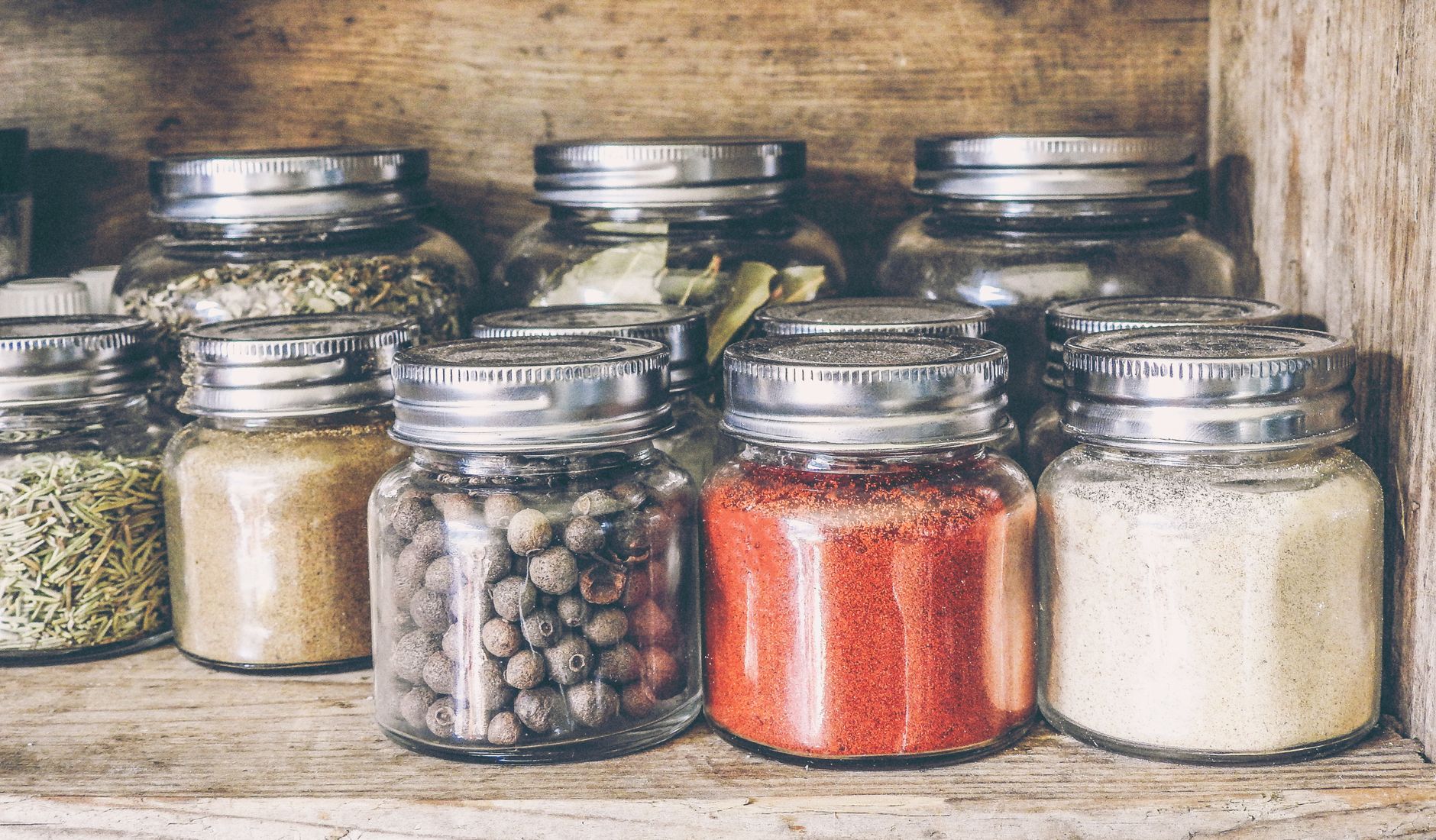
Tumeric, a bright yellow spice derived from the root of the Curcuma longa plant, is commonly used in cooking and traditional medicine. Its earthy flavor and vibrant color make it a popular ingredient in various dishes, especially in Indian and Southeast Asian cuisines. However, its uses extend beyond the culinary world.
This article will explore what turmeric is used for, including its culinary applications, health benefits, storage tips, and various cooking ideas.
What Is Tumeric Used For?
Turmeric is primarily used as a spice in cooking, known for adding warmth and color to dishes. Its key active compound, curcumin, has drawn attention for its potential health benefits. In addition to culinary uses, turmeric is also employed in traditional medicine and natural remedies.
Culinary Uses of Turmeric
Turmeric’s culinary uses are vast, with its warm, slightly bitter flavor enhancing numerous dishes. Here are some common applications:
1. Flavoring Agent
In cooking, turmeric serves as a flavoring agent, complementing many foods with its unique taste. It is a staple in Indian curries, providing a rich color and depth of flavor. Turmeric pairs well with spices like cumin, coriander, and ginger.
2. Coloring Agent
The vibrant golden hue of turmeric makes it a popular food coloring agent. It is commonly used to give color to rice dishes, soups, sauces, and marinades. Its bright appearance can elevate the visual appeal of any meal.
3. Ingredient in Spice Blends
Turmeric is a key ingredient in many spice blends, including curry powder, garam masala, and even American mustard. These blends allow cooks to add a burst of flavor to dishes with minimal effort.
4. Pickling
The antiseptic properties of turmeric make it ideal for pickling vegetables. A mixture of vinegar, turmeric, salt, and sugar can create delicious pickled carrots, cucumbers, or radishes.
5. Beverages
Turmeric is also popular in various beverages. Golden milk, a blend of turmeric, milk (or a non-dairy alternative), and spices, has gained popularity for its comforting and warm qualities. It is often sweetened with honey or maple syrup and can be enjoyed both hot and cold.
Health Benefits of Turmeric
In addition to its culinary uses, turmeric is widely studied for its potential health benefits, primarily attributed to curcumin, its active compound. While more research is needed to verify these claims, here are some of the commonly suggested benefits:
1. Anti-Inflammatory Properties
Curcumin is known for its anti-inflammatory properties, which may help alleviate chronic inflammation linked to various diseases. It is commonly used as a natural remedy for conditions like arthritis.
2. Antioxidant Effects
Turmeric is rich in antioxidants, which help combat oxidative stress and protect the body from free radical damage. Antioxidants play a crucial role in maintaining overall health and reducing the risk of chronic illnesses.
3. Heart Health
Some studies suggest that turmeric may help improve heart health by lowering cholesterol levels and reducing the risk of blood clots. Adding turmeric to diet could be a simple way to promote cardiovascular health.
4. Digestive Aid
Turmeric is known to support digestive health, potentially easing bloating and gas. It has also been used in traditional medicine to treat digestive disorders.
5. Enhanced Cognitive Function
Preliminary studies suggest that curcumin may promote brain health by increasing levels of brain-derived neurotrophic factor (BDNF). This could help protect against cognitive decline associated with aging.
Storage Tips for Turmeric
Proper storage of turmeric can help maintain its flavor and potency. Here are some tips for both ground turmeric and fresh turmeric root:
- Ground Turmeric: Store in an airtight container in a cool, dark place, away from moisture. It is best used within six months to a year for optimal flavor.
- Fresh Turmeric Root: Keep fresh turmeric in the refrigerator, wrapped in a paper towel or in a perforated plastic bag. It can last for several weeks when stored properly. For longer storage, consider freezing it.
Cooking Ideas with Tumeric
Incorporating turmeric into your meals is both easy and enjoyable. Here are some simple cooking ideas to get started:
1. Turmeric Rice
Turmeric rice is a fragrant and colorful side dish perfect for pairing with curries and grilled meats.
- Ingredients:
- 1 cup basmati rice
- 2 cups water or broth
- 1 teaspoon turmeric powder
- 1 tablespoon oil or butter
- Salt, to taste
- Rinse the rice thoroughly under cold water until the water runs clear.
- In a pot, heat the oil over medium heat. Add the turmeric and cook for 30 seconds to release its flavor.
- Add the rinsed rice and stir for another minute.
- Pour in the water or broth and add salt. Bring to a boil, then cover and simmer on low heat for 15 minutes or until the rice is cooked.
- Fluff the rice with a fork and serve.
2. Turmeric Chicken Curry
This flavorful turmeric chicken curry is easy to prepare and rewarding to eat.
- Ingredients:
- 1 lb boneless chicken, chopped
- 1 onion, chopped
- 2 cloves garlic, minced
- 1 tablespoon ginger, minced
- 2 teaspoons turmeric powder
- 1 teaspoon cumin
- 1 can coconut milk
- Salt and pepper, to taste
- Fresh cilantro, for garnish
- Heat oil in a pan over medium heat. Sauté onions until translucent.
- Add garlic and ginger, cooking for another minute.
- Add the chicken pieces, turmeric, and cumin. Sauté until the chicken is browned on all sides.
- Pour in the coconut milk, salt, and pepper. Simmer on low for 20 minutes until the chicken is cooked through and tender.
- Garnish with fresh cilantro before serving.
3. Turmeric-Infused Smoothie
This smoothie is a nutritious and refreshing way to enjoy turmeric.
- Ingredients:
- 1 banana
- 1 cup spinach
- 1 cup almond milk (or any milk of choice)
- 1 teaspoon turmeric powder
- 1 tablespoon honey or maple syrup, to taste
- Ice cubes (optional)
- Combine all ingredients in a blender.
- Blend until smooth, adding ice for a colder consistency if desired.
- Taste and adjust sweetness if necessary.
- Pour into a glass and enjoy!
4. Golden Milk Latte
Golden milk is a soothing drink that combines turmeric, spices, and milk for a delicious beverage.
- Ingredients:
- 1 cup milk (dairy or plant-based)
- 1 teaspoon turmeric powder
- 1/2 teaspoon cinnamon
- 1/4 teaspoon black pepper
- 1 tablespoon honey or maple syrup
- 1 teaspoon coconut oil (optional)
- In a small saucepan, combine milk, turmeric, cinnamon, black pepper, and coconut oil over low heat.
- Whisk continuously until the mixture is warm and fully combined, about 5 minutes.
- Remove from heat and stir in honey. Pour into a mug and enjoy warm.
Common Mistakes and Troubleshooting
When using turmeric, there are some common mistakes people often make. Here’s how to avoid them:
- Using Too Much: Turmeric has a strong flavor; using too much can overwhelm your dish. Start with small amounts and adjust according to taste.
- Not Pairing with Black Pepper: Curcumin, the active compound in turmeric, is better absorbed when paired with black pepper. Always add a pinch of black pepper to enhance the benefits.
- Neglecting to Cook: Turmeric’s flavor develops with heat. Make sure to properly sauté it to unlock its full potential.
Make-Ahead Tips
Planning ahead can save time and ensure you enjoy the many benefits of turmeric:
- Cook turmeric rice or chicken curry in advance and store in the refrigerator for up to 3-4 days.
- Prepare golden milk in batches and reheat when needed. Just give it a good stir before serving, as the spices may settle.
- Mix a spice blend containing turmeric for quicker cooking. Store it in an airtight container for easy use.
Conclusion
Turmeric is a versatile spice that enriches a wide variety of dishes and offers potential health benefits. Its culinary applications are vast, ranging from seasoning and coloring to pickling and drink-making. By understanding how to use and store turmeric, you can incorporate this vibrant spice into your everyday cooking. Not only does it bring flavor and color to your meals, but it may also contribute to your overall well-being.
For more flavorful ideas and recipes, explore guides like Golden Milk Recipe and learn about other herbs like chamomile in What Is Chamomile Good For.