
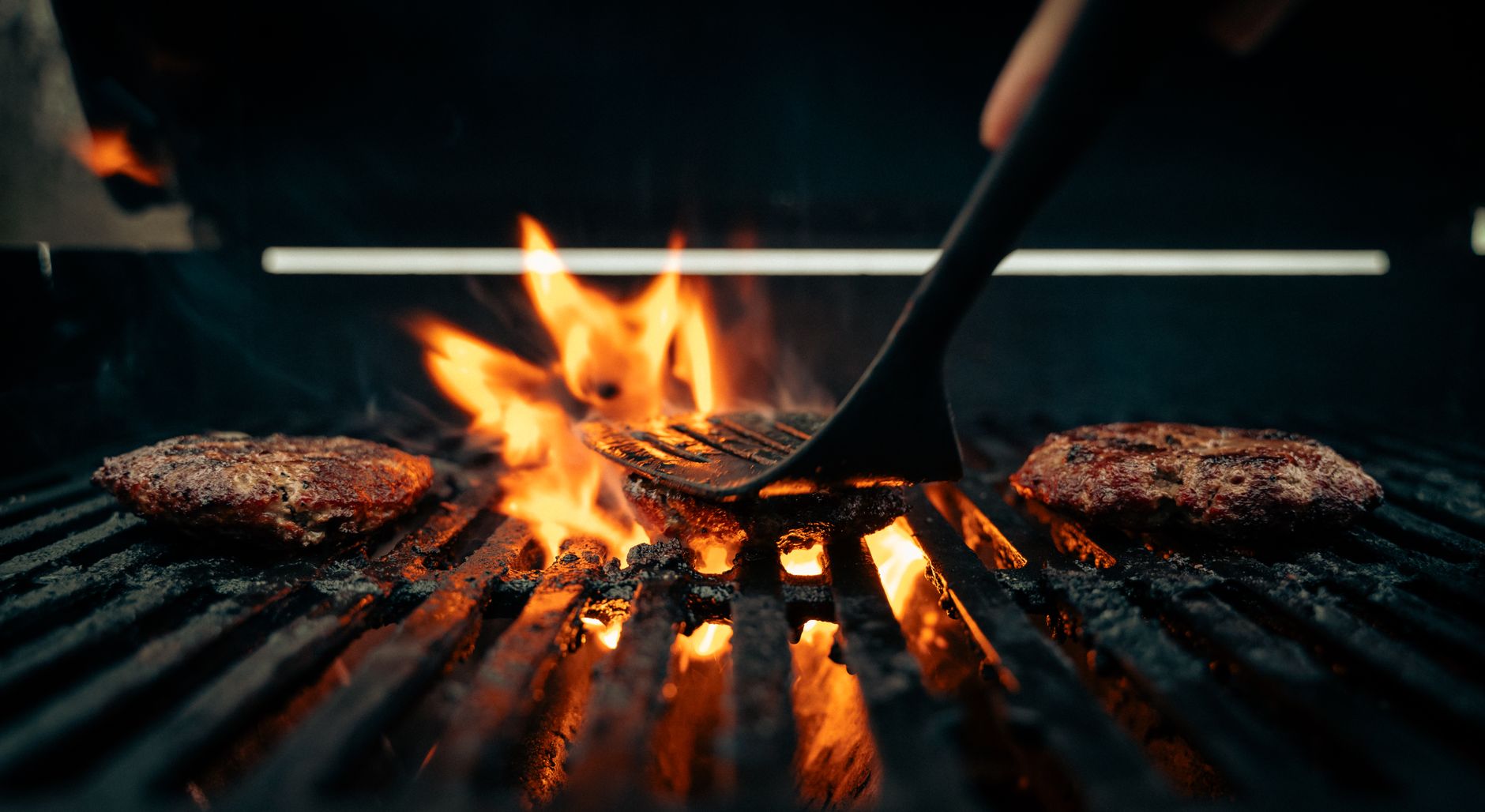
The hamburger, often simply called the burger, is one of the world’s most beloved dishes. While its cultural significance is undeniable, its origins are often misunderstood. Exploring where burgers come from offers a fascinating journey through culinary history, cultural influences, and regional variations. By tracing their evolution, we not only discover the roots of this iconic food but also the socio-economic factors that contributed to its popularity.
From noble beginnings to fast food fare, the history of burgers is rich and varied. Here’s a closer look at how this beloved dish became a staple in kitchens and restaurants worldwide.
Where Did Burgers Come From?
Burgers originated from a combination of influences that span multiple centuries and cultures. The modern hamburger we know today evolved in the United States in the late 19th century, primarily influenced by German immigrants and their culinary traditions.
Early Influences: From Hamburg to America
The term “hamburger” is derived from the German city of Hamburg, where locals are believed to have created a minced beef steak known as “Frikadelle” or “Hamburg steak.” In the 19th century, German immigrants brought this dish to America, where it underwent significant transformation.
- Hamburg Steak: This dish consisted of ground beef, often flavored with onions, and was usually served cooked and sometimes smoked. It became popular among immigrants and was often paired with bread.
- Arrival in America: The Hamburg steak made its American debut in the mid-19th century, appearing on menus in New York City as well as in the Midwest, where German immigrants settled.
The Birth of the Modern Hamburger
The contemporary hamburger began to take shape in the late 1800s. Various accounts attribute its invention to different individuals and establishments, making it difficult to pinpoint one specific origin. Some notable claims include:
Key Figures and Events
- Louis Lassen: In 1900, Louis Lassen, a Danish immigrant, is said to have created the first hamburger at his New Haven, Connecticut, lunch wagon by serving ground beef between two slices of bread.
- Charlie Nagreen: In 1885, at the Seymour Fair in Wisconsin, Charlie Nagreen allegedly sold the first hamburger by flattening a meatball and placing it on bread for easy consumption.
- Frank and Charles Menches: The Menches brothers are credited with selling hamburgers at the 1885 Hamburg Fair in Ohio, where they ran out of sausages and decided to substitute ground beef.
- White Castle: Founded in 1921, White Castle was the first fast-food chain to popularize the hamburger on a larger scale and introduced the slider, a smaller version of the burger.
The Rise of the Hamburger in American Culture
With the rise of the 20th century, hamburgers gained immense popularity across America, primarily due to the following factors:
- Fast Food Culture: The post-World War II era saw an explosion in fast-food restaurants, further solidifying the burger as a convenient and affordable meal option.
- Automobile Culture: As cars became more common, drive-ins and roadside diners began offering hamburgers as a quick and portable food choice.
- Popularity in Pop Culture: Movies featured hamburgers, and advertising campaigns promoted them, making them a central figure in American culinary identity.
Regional Variations of Burgers
The hamburger has inspired countless variations, each reflecting the flavors and cultures of its region. Here are some popular burger styles:
Classic American Burger
This traditional version features a beef patty, usually grilled or fried, served on a bun with lettuce, tomato, onion, pickles, cheese, ketchup, mustard, and mayonnaise. Its straightforward flavors and textures encapsulate what many consider to be the quintessential hamburger.
Cheeseburger
A beloved variation, the cheeseburger adds a slice of cheese, usually American, cheddar, or Swiss, melted over the beef patty just before serving. This indulgent twist enhances the flavor and adds a creamy richness.
Veggie Burger
As dietary preferences shifted, the veggie burger emerged to provide a meat-free alternative. Typically made from vegetables, legumes, grains, or meat substitutes, such as pea protein, these burgers cater to vegetarians and vegans while maintaining a similar form factor.
Regional Styles
- Juicy Lucy: Originating from Minneapolis, this burger features cheese stuffed inside the beef patty, creating a gooey center.
- In-N-Out Burger: A California staple, offering a “secret menu” that includes options such as Animal Style, which adds extra toppings.
- Banh Mi Burger: A fusion of Vietnamese flavors, this style incorporates pickled vegetables, cilantro, and spicy mayo within a burger format.
The Impact of Fast Food Chains
Fast food chains played a pivotal role in the proliferation of hamburgers worldwide. The process of mass production and standardization made burgers easily accessible, affordable, and consistent. Some of the most influential chains include:
McDonald’s
Founded in 1940 by Richard and Maurice McDonald, McDonald’s popularized the burger globally. The introduction of the “Big Mac” and the “Quarter Pounder” helped cement the brand’s position as a leader in fast food.
Burger King
Founded in 1954, Burger King introduced the “Whopper,” a sandwich featuring a larger beef patty, further diversifying the hamburger market and competing directly with McDonald’s offerings.
The Modern Hamburger Landscape
Today, the hamburger is more than just fast food; it has evolved to include gourmet and specialty options, appealing to a wide range of tastes and dietary preferences. Key trends shaping the modern burger landscape include:
- Artisan Burgers: Gourmet burger restaurants focus on quality ingredients, unique toppings, and house-made sauces, elevating the burger experience.
- Health-Conscious Choices: Many restaurants now offer alternative proteins, such as turkey, bison, or plant-based options, catering to health-conscious consumers.
- Customization: Customers can craft their perfect burger, choosing from a variety of toppings, sauces, and bun styles.
Nutrition and Burger Preparation
Understanding how to prepare a delicious and nutritious hamburger is crucial for home cooks. Here’s a guide on essential cooking techniques, ingredient selection, and tips for making tasty burgers.
Essential Ingredients
- Meat: Use ground beef with a fat content of about 15-20% for juicy burgers. For a leaner option, consider ground turkey or plant-based meat alternatives.
- Buns: Choose fresh, quality buns that can hold the burger’s weight without becoming soggy. Classic options include sesame seed, brioche, or whole grain.
- Toppings: Fresh vegetables, various cheeses, and condiments elevate the burger’s flavor profile. Consider fresh herbs, avocado, or specialty sauces for added depth.
Cooking Techniques
Here’s how to cook a burger correctly to achieve the perfect flavor and texture:
- Form the Patties: Shape the ground beef into patties, about ¾ inch thick. Make a small indentation in the center to prevent them from puffing up during cooking.
- Season: Generously season both sides with salt and pepper just before cooking.
- Cook: Preheat a grill or skillet over medium-high heat. Cook the patties for about 3-4 minutes on one side, then flip and cook for another 3-4 minutes for medium-rare (internal temperature of 130-135°F, or 54-57°C).
- Add Cheese: If making a cheeseburger, add a slice of cheese in the final minute of cooking and cover the pan or grill to help it melt.
- Rest: Let the patties rest for a few minutes before assembling the burger to allow juices to redistribute.
Common Mistakes to Avoid
- Overworking the meat can lead to tough patties. Handle it gently and just enough to shape the burgers.
- Do not press down on the patties while cooking, as this squeezes out the flavorful juices.
- Make sure to let the burgers rest before serving to retain moisture.
Serving Suggestions and Pairings
Pairing burgers with the right sides and drinks can enhance the overall meal experience. Here are some classic options:
- Sides: French fries, onion rings, coleslaw, or a fresh garden salad complement burgers well.
- Drinks: Cold sodas, milkshakes, or local craft beers are popular pairings that enhance the flavor of the burger.
- Dips: Serve with garlic aioli, chipotle mayo, or a spicy ketchup for an added kick.
Make-Ahead and Storage Tips
If you want to prepare burgers in advance, consider the following tips:
- Freezing Patties: Shape and freeze uncooked patties in advance. Wrap each patty individually in plastic wrap, then store them in an airtight container.
- Cooked Burgers: Leftover cooked burgers can be stored in the refrigerator for up to three days. Reheat them in the microwave or a skillet until heated through.
The Cultural Significance of Burgers
Burgers represent more than just a meal; they embody a fusion of cultures and traditions, showcasing the globalization of food. They are a noteworthy part of American culture, celebrated in various food contests, festivals, and advertisements.
Festivals and Contests
Some cities in the U.S. host burger festivals, where local restaurants showcase their best offerings. Additionally, eating contests feature participants competing to consume the most burgers within a given timeframe, further emphasizing the significance of this iconic dish.
Conclusion
Tracing the origins of the hamburger reveals a rich tapestry of culture and history, woven together by countless influences. From its humble beginnings in Hamburg to its status as a global icon, the burger continues to innovate and evolve with changing tastes and dietary preferences. Understanding its journey allows us to appreciate each savory bite even more.
As you explore the world of burgers, consider trying out a hamburger steak or perfecting your technique with a smash burger recipe. There’s a whole universe of flavors waiting to be discovered!