
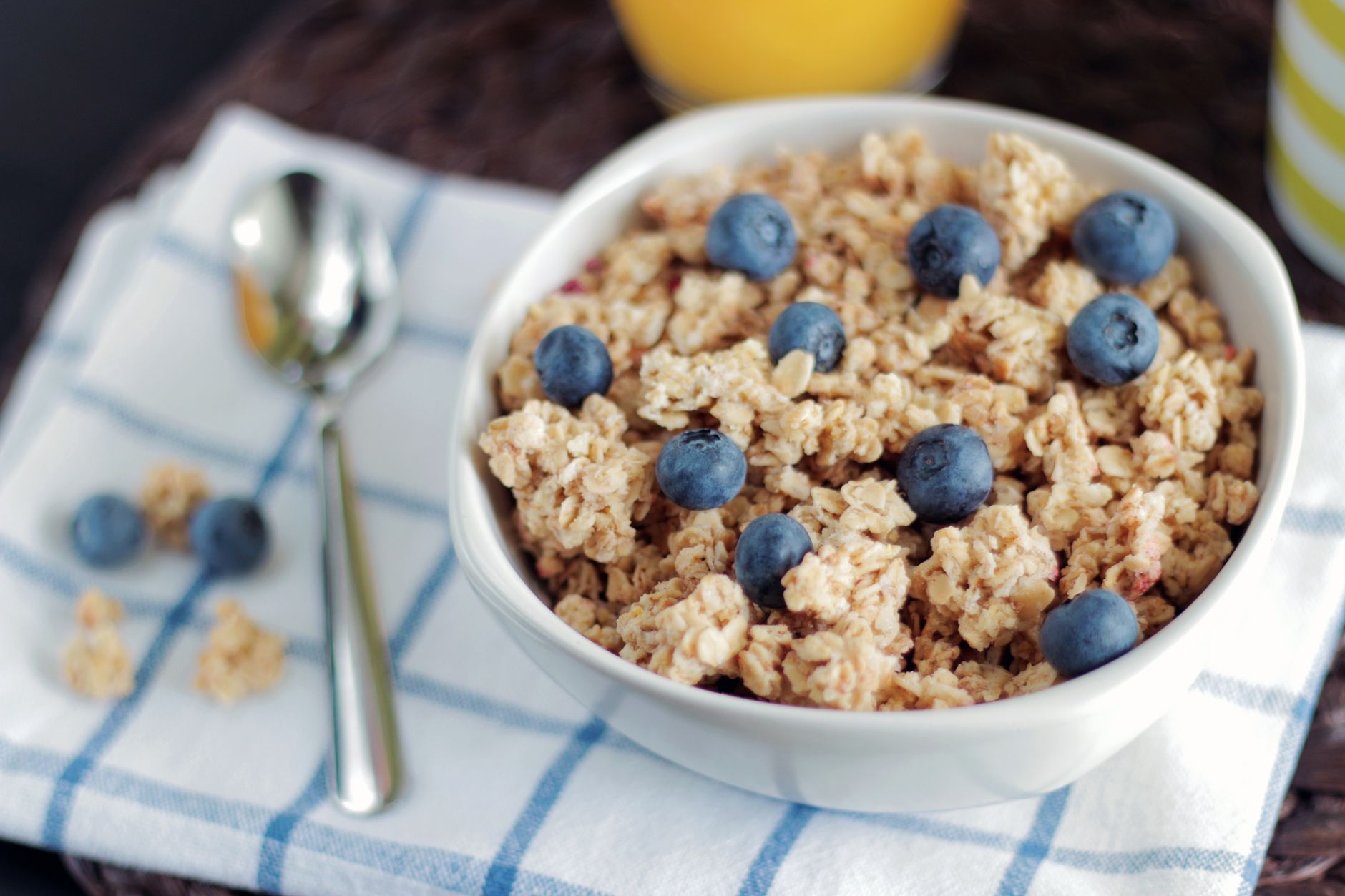
Dietary fiber plays a crucial role in promoting digestive health and overall well-being. It is found in various foods, primarily plant-based. Understanding which foods are rich in fiber can help you make informed dietary choices that support digestive health, regulate blood sugar levels, and maintain a healthy weight.
This article will explore various fiber-rich foods, their nutritional facts, serving sizes, and practical tips for incorporating more fiber into your meals. From fruits and vegetables to grains and legumes, let’s delve into foods overflowing with fiber.
What Foods Are Fiber?
Fiber is primarily found in fruits, vegetables, whole grains, legumes, nuts, and seeds. Foods that are high in fiber contribute to improved digestive health and help maintain satiety. By focusing on these food groups, you can effortlessly increase your fiber intake.
High-Fiber Fruits
Fruits are an excellent source of dietary fiber, offering various textures and flavors. Here are some fruits that stand out due to their high fiber content:
- Raspberries: 8 grams of fiber per cup (123 grams).
- Blackberries: 7.6 grams of fiber per cup (144 grams).
- Pears: 5.5 grams of fiber per medium pear (178 grams).
- Apples: 4.4 grams of fiber per medium apple (182 grams).
- Bananas: 3.1 grams of fiber per medium banana (118 grams).
- Oranges: 4.4 grams of fiber per medium orange (131 grams).
- Avocado: 9.2 grams of fiber per fruit (200 grams).
Incorporating these fruits into your daily diet can be as simple as adding berries to your yogurt, enjoying a sliced pear with nut butter, or using mashed avocado on whole-grain toast.
High-Fiber Vegetables
Vegetables are another essential source of fiber, providing not only bulk but also a variety of vitamins and minerals. Here are some fiber-packed vegetables:
- Broccoli: 5 grams of fiber per cup (91 grams, cooked).
- Brussels sprouts: 4 grams of fiber per cup (156 grams, cooked).
- Carrots: 3.5 grams of fiber per cup (128 grams, raw).
- Artichokes: 10.3 grams of fiber per medium artichoke (120 grams, cooked).
- Sweet potatoes: 4 grams of fiber per medium sweet potato (114 grams, baked).
- Spinach: 4.3 grams of fiber per cup (180 grams, cooked).
- Kale: 2.6 grams of fiber per cup (67 grams, cooked). You can find more about kale’s fiber content here.
Try incorporating these vegetables into stir-fries, salads, soups, or as side dishes. Roasting can enhance their flavors significantly, making them both delicious and nutritious.
High-Fiber Whole Grains
Whole grains are a vital source of fiber and should be a staple in any diet. Unlike refined grains, whole grains retain their bran and germ, ensuring they contain maximum nutrients and fiber. Here are some high-fiber options:
- Chia seeds: 10 grams of fiber per ounce (28 grams).
- Quinoa: 5.2 grams of fiber per cup (185 grams, cooked).
- Oats: 4 grams of fiber per cup (234 grams, cooked).
- Barley: 6 grams of fiber per cup (157 grams, cooked).
- Brown rice: 3.5 grams of fiber per cup (195 grams, cooked).
- Whole wheat pasta: 6.3 grams of fiber per cup (140 grams, cooked).
- Bulgur: 8.2 grams of fiber per cup (182 grams, cooked).
Consider using whole-grain products in place of their refined counterparts. For instance, opt for whole-wheat bread, brown rice, or whole-grain cereal for breakfast to boost your fiber intake effortlessly.
High-Fiber Legumes
Legumes are a powerhouse of protein and fiber, making them a fantastic food choice for vegetarians and meat-eaters alike. Here’s a look at some highly fibrous legumes:
- Lentils: 15.6 grams of fiber per cup (198 grams, cooked).
- Black beans: 15 grams of fiber per cup (172 grams, cooked).
- Chickpeas: 12.5 grams of fiber per cup (164 grams, cooked).
- Kidney beans: 13.1 grams of fiber per cup (177 grams, cooked).
- Split peas: 16.3 grams of fiber per cup (196 grams, cooked).
- Pinto beans: 7.7 grams of fiber per cup (171 grams, cooked).
- Edamame: 8 grams of fiber per cup (155 grams, cooked).
Legumes can easily incorporate into soups, salads, and stews or as a main dish. They can even be blended into dips like hummus for a fiber boost.
Nuts and Seeds
Nuts and seeds are excellent sources of fiber, healthy fats, and protein. Here are some notable examples:
- Chia seeds: 10 grams of fiber per ounce (28 grams).
- Flaxseeds: 7.8 grams of fiber per ounce (28 grams).
- Pistachios: 2.9 grams of fiber per ounce (28 grams).
- Almonds: 3.5 grams of fiber per ounce (28 grams).
- Pine nuts: 1 gram of fiber per ounce (28 grams).
- Walnuts: 2 grams of fiber per ounce (28 grams).
- Sunflower seeds: 3 grams of fiber per ounce (28 grams).
Incorporate nuts and seeds into your diet by adding them to smoothies, oatmeal, or snack mixes. They can also be sprinkled on salads for added crunch.
Serving Sizes and Nutritional Facts
Understanding serving sizes is crucial for maximizing fiber intake. Here are some tips for making sense of serving sizes for fiber-rich foods:
Fruits and Vegetables
Generally, one serving of fruit or vegetables is about one medium-sized piece or one cup of raw vegetables. For cooked vegetables, consider a half-cup serving.
Whole Grains
A standard serving of cooked whole grains is typically one cup. For dry cereals, the serving size may be about one ounce (or a roughly 1/2 cup serving, depending on the type).
Legumes
A serving size often includes one-half cup of cooked legumes, which packs a significant fiber punch.
Nuts and Seeds
Serving sizes for nuts and seeds are typically one ounce, about a small handful.
How to Incorporate More Fiber into Your Diet
To increase your fiber intake, consider the following practical suggestions:
- Start with breakfast: Begin your day with high-fiber cereals or oatmeal. Add fruits like bananas or berries for an additional fiber boost.
- Snack smart: Choose snacks that are high in fiber, such as fresh fruits, raw vegetables, or a handful of nuts.
- Include legumes in meals: Add beans or lentils to salads, soups, and stews. You can also use them as a meat substitute in certain dishes.
- Choose whole grains: Opt for whole-grain bread and pasta over refined options. Look for “100% whole-grain” on labels.
- Experiment with fiber-rich recipes: Explore new recipes that spotlight high-fiber ingredients, such as veggie stir-fries or grain salads.
Fiber Myths and Misconceptions
There are several common myths about fiber that can lead to confusion. Here are the most notable:
- All fiber is the same: There are two types of fiber: soluble and insoluble. Both are important for health but serve different functions. Soluble fiber helps lower blood cholesterol levels, while insoluble fiber aids digestion by adding bulk to stool.
- Fiber is only for digestive health: While fiber is known for its digestive benefits, it can also manage cholesterol levels, control blood sugar, and aid in heart health.
- You should only eat fiber supplements: Whole foods are the best source of fiber. Supplements should not replace natural food sources as they may lack other beneficial nutrients.
Common Mistakes When Increasing Fiber Intake
When trying to incorporate more fiber into your diet, it is essential to do so gradually to avoid digestive discomfort. Here are some common mistakes to avoid:
- Sudden increases in fiber: Don’t jump from a low-fiber to a high-fiber diet in one go; this can lead to bloating, gas, and cramping. Incrementally increase your fiber intake over several days or weeks.
- Lack of hydration: Fiber works best when paired with adequate fluid intake, so ensure you’re drinking plenty of water throughout the day.
- Ignoring whole foods: Relying solely on processed foods fortified with fiber may not provide the same health benefits as consuming whole, fiber-rich foods.
Storage and Preparation Tips
To make the most of your fiber-rich foods, proper storage and preparation are key:
- Store fruits and vegetables: Keep them in a cool, dry place or in the refrigerator as needed to maintain freshness.
- Cook grains and legumes: Rinse them before cooking to remove any debris. Soaking legumes can reduce cooking time.
- Use nuts and seeds wisely: Store them in an airtight container in a cool, dark place to maintain their freshness and prevent rancidity.
Fiber is a fundamental aspect of a healthy diet, and knowing which foods are fiber-dense can help you make better dietary choices. Whether through fruits, vegetables, grains, legumes, or nuts and seeds, incorporating these high-fiber options into your meals can provide numerous health benefits.
By gradually increasing your fiber intake, choosing whole foods over processed options, and maintaining good hydration, you can enhance your overall health. Take the time to explore these fiber-rich foods and find enjoyable ways to incorporate them into your diet. For more information on specific fiber content in items like kale or bananas, check out the detailed articles on kale and bananas.