
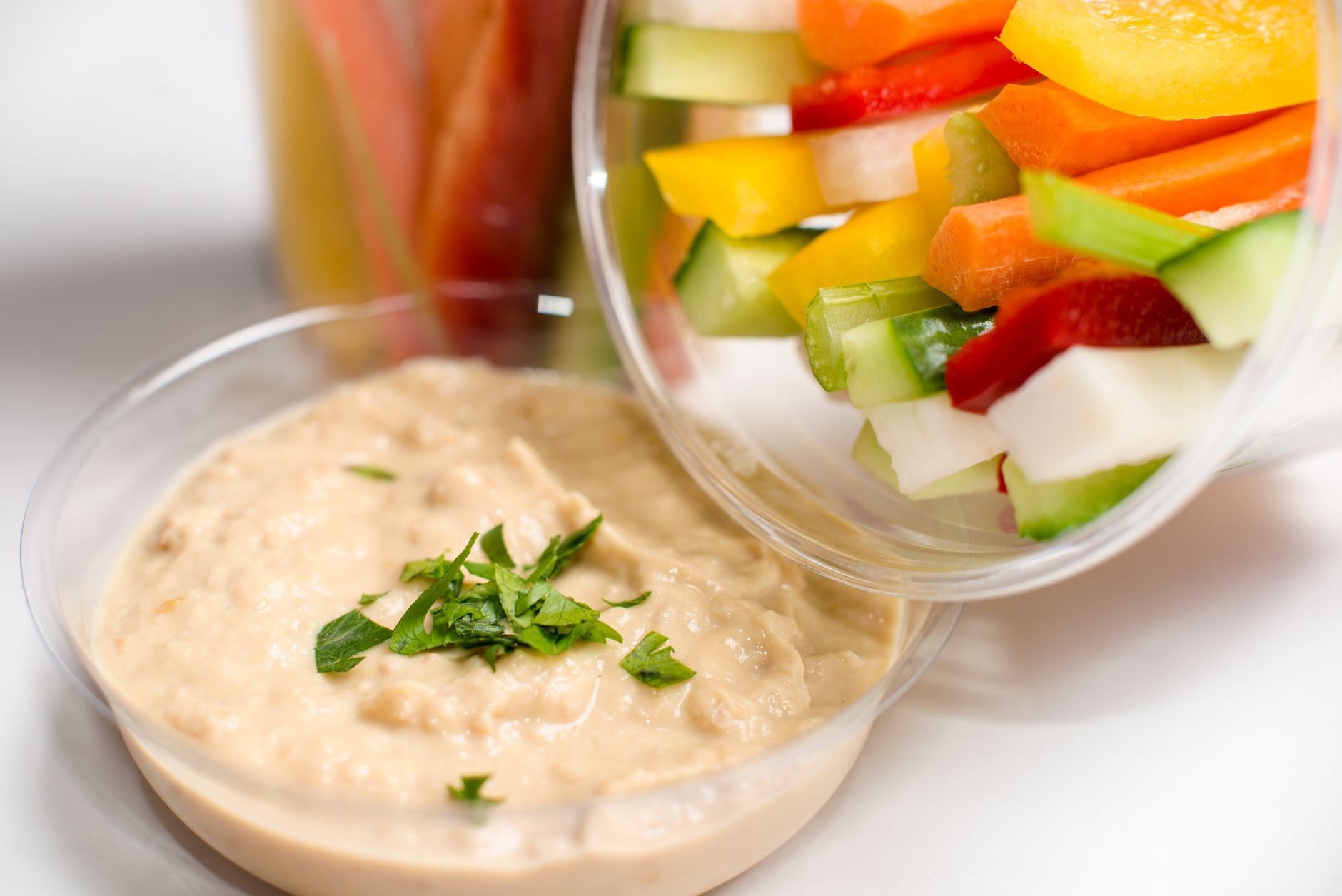
Hummus is a popular Middle Eastern dip that has gained global appeal. Known for its creamy texture and rich flavor, it’s made primarily from chickpeas and offers a delicious way to enjoy vegetables, breads, and snacks.
More than just a dip, hummus serves as a versatile ingredient in various dishes, making it a staple in many kitchens. In this article, we will delve into the ingredients, flavor profile, and the best ways to serve hummus for maximum enjoyment.
What Is Hummus?
Hummus is a spread or dip made primarily from cooked and pureed chickpeas (also known as garbanzo beans), tahini, olive oil, lemon juice, garlic, and salt. Its flavor is distinctly nutty and tangy, complemented by the earthy sweetness of chickpeas. This nutritious dish is a symbol of Middle Eastern cuisine but has become popular worldwide for its simplicity and versatility.
Ingredients of Hummus
The classic ingredients found in traditional hummus are integral to its flavor and texture. Below is a detailed list of each component:
- Chickpeas: The main ingredient, providing a creamy base and protein.
- Tahini: A paste made from ground sesame seeds, adding richness and depth of flavor.
- Olive oil: Adds creaminess and enhances the overall taste.
- Lemon juice: Provides acidity, balancing the earthiness of the chickpeas.
- Garlic: Adds a sharp, pungent flavor that is characteristic of many Middle Eastern dishes.
- Salt: Enhances the flavors of the other ingredients.
Optional Ingredients
While the classic hummus is beloved, several optional ingredients can customize its flavor:
- Ground cumin: For a warm, earthy undertone.
- Paprika or cayenne: Adds heat and color.
- Fresh herbs (like parsley or coriander): For freshness and an aromatic touch.
- Roasted red peppers: For a sweet, smoky flavor.
- Olives or capers: For tanginess and added texture.
Flavor Profile of Hummus
The distinctive flavor of hummus comes from the balance of its ingredients. It has a creamy, smooth texture with a slight graininess due to the chickpeas. The tahini adds a nutty flavor, while the lemon juice delivers a refreshing tartness. Garlic contributes a bold, zesty punch, and olive oil provides a rich, velvety mouthfeel in each bite.
The overall taste is umami-rich, making it a satisfying alternative to many dips and spreads found in Western cuisine. As hummus can be easily adjusted with additional spices and flavors, each version can bring a new twist, allowing for endless creativity.
How to Serve Hummus
Hummus is incredibly versatile and can be served in various ways. Here are some suggestions for serving it:
As a Dip
One of the most common ways to enjoy hummus is as a dip. Serve it in a bowl with a drizzle of olive oil, a sprinkle of paprika, or garnished with chopped parsley. Pair it with:
- Fresh vegetables: Carrots, celery, cucumber, bell peppers, or cherry tomatoes.
- Pita bread or pita chips: Cut into triangles for easy dipping.
- Crackers or breadsticks: For a crunchy contrast.
In Wraps and Sandwiches
Use hummus as a spread in wraps or sandwiches. It makes a great base for:
- Veggie wraps: Fill with spinach, cucumbers, bell peppers, and sprouts.
- Turkey or chicken sandwiches: Add a layer of hummus for added moisture and flavor.
As a Salad Dressing
Thin hummus with a bit of water, lemon juice, or extra olive oil to create a creamy dressing. Use it on:
- Green salads: For a protein boost and flavor enhancement.
- Grain bowls: Drizzle over quinoa or rice-based meals for variety.
As an Ingredient in Other Dishes
Hummus can be incorporated into recipes such as:
- Casseroles: Swirl hummus through baked pasta dishes.
- Stuffed vegetables: Use it to fill bell peppers or zucchini before roasting.
- Homemade pizzas: Spread a layer of hummus instead of traditional sauce.
How to Make Hummus
Making hummus at home is simple and allows you to adjust the flavors to your preference. Below is a basic recipe that serves about 4 to 6 people:
Ingredients
- 1 can (15 ounces) of chickpeas (or 1.5 cups cooked chickpeas)
- 1/4 cup tahini
- 2 tablespoons olive oil, plus more for serving
- 2 tablespoons lemon juice (about half a lemon)
- 1-2 garlic cloves, minced (adjust to taste)
- 1/2 teaspoon salt (or to taste)
- Water, as needed, to achieve desired creaminess
- Optional: ground cumin, paprika, or other spices
Essential Equipment
- Food processor or blender
- Measuring spoons and cups
- Spoon or spatula for scraping down the sides
Instructions
- Rinse and drain the canned chickpeas. If using dried chickpeas, soak them overnight and cook until tender.
- In a food processor, combine the chickpeas, tahini, olive oil, lemon juice, minced garlic, and salt.
- Process until smooth, stopping occasionally to scrape down the sides with a spatula.
- If the mixture is too thick, add water one tablespoon at a time until reaching your desired consistency.
- Taste and adjust seasonings, adding more salt, lemon juice, or garlic as desired.
- Transfer the hummus to a serving dish. Drizzle with olive oil and garnish with paprika or fresh herbs if desired.
Common Mistakes to Avoid
Though hummus is straightforward to make, several common pitfalls can affect its quality:
- Not blending long enough: A smooth hummus requires sufficient blending time. Be patient.
- Adding too much water: Start with small amounts to avoid a runny consistency.
- Omitting tahini: For traditional flavor, don’t skip this ingredient; it provides essential creaminess and taste.
Make-Ahead Guidance
Hummus can be made in advance and stored in the refrigerator, making it a convenient option for meal prep. Here are some storage tips:
- Store in an airtight container: This keeps the hummus fresh and prevents it from absorbing other odors in the fridge.
- Use within one week: Homemade hummus is best enjoyed fresh but can last up to a week when stored properly.
- Freeze for longer storage: If you want to keep it longer, hummus can be frozen for up to three months. Thaw in the refrigerator before serving.
Popular Variations of Hummus
To keep things interesting, consider trying out some popular variations of hummus. While traditional is delicious, these alternatives can add exciting flavors:
Roasted Garlic Hummus
For a sweeter depth of flavor, use roasted garlic instead of raw. Simply roast garlic cloves in the oven until soft, then blend them into your hummus mixture.
Spicy Hummus
Add heat to your hummus by incorporating diced jalapeños or a drizzle of sriracha or harissa. Adjust the spice level to your preference.
Cilantro Lime Hummus
Blend in fresh cilantro and lime juice for a zesty twist, perfect for enjoying with tortilla chips.
Beet Hummus
For a vibrant color and earthy sweetness, add roasted or cooked beets to the hummus mixture. This variation is not only delicious but visually stunning.
Nutritional Aspects of Hummus
While this article does not provide specific nutritional numbers, it’s worth noting that hummus is generally high in protein and fiber due to the chickpeas, making it a nutritious choice. The combination of healthy fats from olive oil and tahini, plus vitamins from garlic and lemon juice, makes it a compelling addition to any diet. It can also be suitable for various dietary preferences, including vegetarian and vegan diets.
Conclusion and Serving Suggestions
Hummus is a rich and versatile staple that can fit into numerous meals and occasions. Whether enjoyed as a dip, dressing, or in various dishes, it delivers a satisfying and flavorful experience.
For a quick and easy spin on classic hummus, try out a hummus recipe without tahini for those looking for alternatives. Explore diverse flavors and make the most of this cherished spread!
Feeling adventurous? Explore other flavors and ingredients by discovering related recipes, cooking tips, and food guides. Check out our easy hummus recipe without tahini for a simple yet delicious variation!