
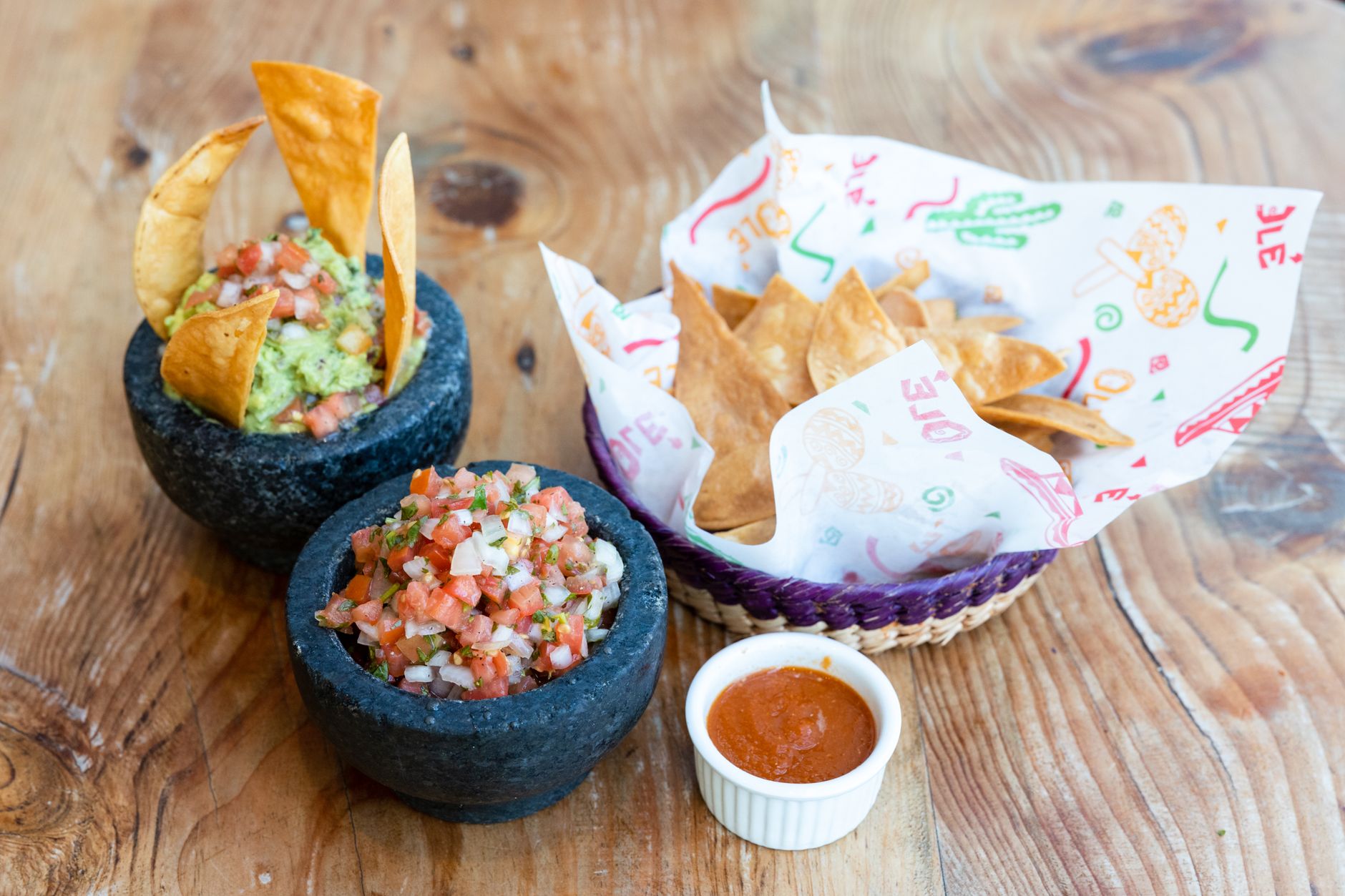
Salsa and pico de gallo are two popular accompaniments in Mexican cuisine, often served with a variety of dishes. While they share some similarities, there are distinct differences between the two that affect their flavor, texture, and uses. Understanding these variations can enhance your culinary experience and help you choose the right condiment for your meals.
This article explores the differences between salsa and pico de gallo, including their ingredients, preparation methods, uses, and suitable substitutes. Dive into the world of these flavorful toppings to see how they can elevate your dishes.
What Is The Difference Between Salsa And Pico De Gallo?
The primary difference between salsa and pico de gallo is the texture and consistency. Salsa tends to be a smoother, cooked sauce that may contain a variety of cooked ingredients, while pico de gallo is a fresh, chunky mixture mainly of uncooked ingredients. Both enhance dishes with vibrant flavors, but they serve different culinary roles.
Understanding Salsa
Salsa is a broad term that encompasses various sauces in Mexican cuisine. Traditionally, salsas can be either cooked or raw and come in several varieties, including salsa roja (red sauce) and salsa verde (green sauce). These sauces are often made with tomatoes, onions, peppers, and spices, resulting in a variety of textures and flavors.
Ingredients in Salsa
- Tomatoes (fresh or canned)
- Onions
- Garlic
- Chilies (fresh, roasted, or dried)
- Cilantro
- Lime or lemon juice
- Seasonings (salt, pepper, and additional spices)
Preparation Methods for Salsa
- Start by washing and chopping your fresh ingredients.
- If you are roasting tomatoes or chilies, do this beforehand. You can char them on a grill or in an oven until the skin is blistered and blackened.
- Combine all ingredients in a blender or food processor. Blend to your desired consistency, whether smooth or chunky.
- Adjust seasoning with salt, pepper, and lime juice to taste.
- Let the salsa sit for at least 30 minutes to allow flavors to meld before serving.
Uses for Salsa
Salsa can serve as a condiment, dip, or topping for various dishes including:
- Tacos and burritos
- Grilled meats and fish
- Chips
- Eggs and breakfast dishes
Exploring Pico De Gallo
Pico de gallo, also known as “fresh salsa” or “salsa fresca,” is a chunky, raw salsa that showcases fresh ingredients. Its name means “rooster’s beak” in Spanish, potentially referring to the way it is traditionally eaten with fingers, as if pecking like a rooster. It is vibrant and bursting with the freshness of its raw components.
Ingredients in Pico De Gallo
- Fresh tomatoes
- Onions (white or red)
- Jalapeños or serrano peppers
- Cilantro
- Lime juice
- Salt
Preparation Methods for Pico De Gallo
- Chop all your fresh ingredients: tomatoes, onions, and peppers, to ensure even size for a uniform texture.
- Combine the chopped ingredients in a bowl.
- Add chopped cilantro, lime juice, and salt to taste.
- Mix gently to combine and let it sit for 15-30 minutes before serving. This allows the flavors to meld but ensures the ingredients remain fresh and crunchy.
Uses for Pico De Gallo
Pico de gallo is versatile and can complement many dishes, including:
- Tacos, burritos, or enchiladas
- Grilled chicken, steak, or fish
- Salads and rice bowls
- As a refreshing topping for soups
Key Differences Between Salsa and Pico De Gallo
Texture and Consistency
The most notable difference lies in their texture. Salsa can be smooth or chunky, often utilizing pureed ingredients, while pico de gallo is consistently chunky and made with diced vegetables, emphasizing their freshness.
Cooking Process
Salsa can be cooked, which allows flavors to deepen and meld. Whereas pico de gallo is always fresh and raw, maintaining the vibrant taste of each ingredient.
Ingredients
While both sauces share similar ingredients, pico de gallo is simpler and focuses on fresh produce. Salsa often includes a broader range of ingredients, such as spices and additional elements like fruit, which can change its flavor profile.
Flavor Profile
The flavor of salsa can vary widely depending on its preparation and cooking method. It can be smoky, spicy, or even sweet if made with fruits like mango or pineapple. Pico de gallo, on the other hand, is typically zestier and fresher, highlighting the raw ingredients and usually has more acidity from the lime.
Serving Temperature
Salsa can be served at various temperatures, from chilled to warm or room temperature, depending on its preparation. Pico de gallo is generally served fresh and cold, maintaining its crunchy texture.
Substitutes for Salsa and Pico De Gallo
If you find yourself without salsa or pico de gallo, there are a few substitutes that can maintain flavor in recipes:
Substitutes for Salsa
- Store-bought salsa: For convenience, you can use pre-made salsa. Look for fresh varieties that are not overly sweetened.
- Tomato sauce with spices: Blend canned tomato sauce with fresh ingredients such as onions, garlic, and jalapeños for a quick alternative.
- Chutneys: Certain fruit or vegetable chutneys can mimic the sweet and savory profile of salsa.
Substitutes for Pico De Gallo
- Chopped fresh vegetables: Combine chopped tomatoes, onions, and peppers lightly dressed with lime juice and salt.
- Guacamole: While distinct in flavor, guacamole can add a creamy texture to dishes that may benefit from pico de gallo.
- Fresh salsa verde: An alternative that combines raw tomatillos and jalapeños with similar fresh ingredients.
Common Mistakes When Preparing Salsa and Pico De Gallo
For Salsa
- Over-blending: If making salsa in a blender, avoid pureeing it too much. A chunky texture enhances flavor.
- Using overly ripe tomatoes: Choose tomatoes that are ripe but firm for both salsa and pico de gallo to maintain a balanced flavor.
- Neglecting seasoning: Ensure proper seasoning with salt and lime to enhance ingredient flavors.
For Pico De Gallo
- Chopping uneven sizes: Uniform sizes help achieve even distribution of flavors.
- Skipping resting time: Allowing pico de gallo to rest aids in melding flavors, even if the ingredients are fresh.
- Using too much lime: While lime adds acidity, overdoing it can overpower the dish.
Serving Suggestions
Both salsa and pico de gallo can be served in various ways, and their applications are versatile:
- As dips for tortilla chips, raw vegetables, or pita bread.
- As toppings for grilled meats, fish, or vegetables, adding a fresh contrast.
- Mixed into salads or grain dishes for added color and texture.
- In savory breakfast dishes like eggs, omelets, or breakfast burritos.
Storage and Make-Ahead Tips
Storing Salsa
Homemade salsa can be stored in an airtight container in the refrigerator for up to a week. If you wish to make it ahead of time, consider preparing it one day prior to serving to allow flavors to meld better. For longer storage, salsa can be frozen, although texture may change upon thawing.
Storing Pico De Gallo
Pico de gallo is best consumed fresh; however, it can be stored in an airtight container in the refrigerator for about 2-3 days. The tomatoes may release water, so consider draining excess liquid before serving. To enjoy pico de gallo at its best flavor and texture, it’s recommended to prepare it the day you plan to serve it or a few hours beforehand.
Conclusion
In summary, while both salsa and pico de gallo share common ingredients and enhance the flavor of dishes, their key differences in texture, preparation, and flavor make them suited for distinct culinary roles. Understanding how and when to use each can elevate your meals and broaden your culinary repertoire.
For more delicious recipes, you might be interested in trying a habanero salsa recipe or a delightful chili salsa recipe to explore the vibrant world of salsa further.