
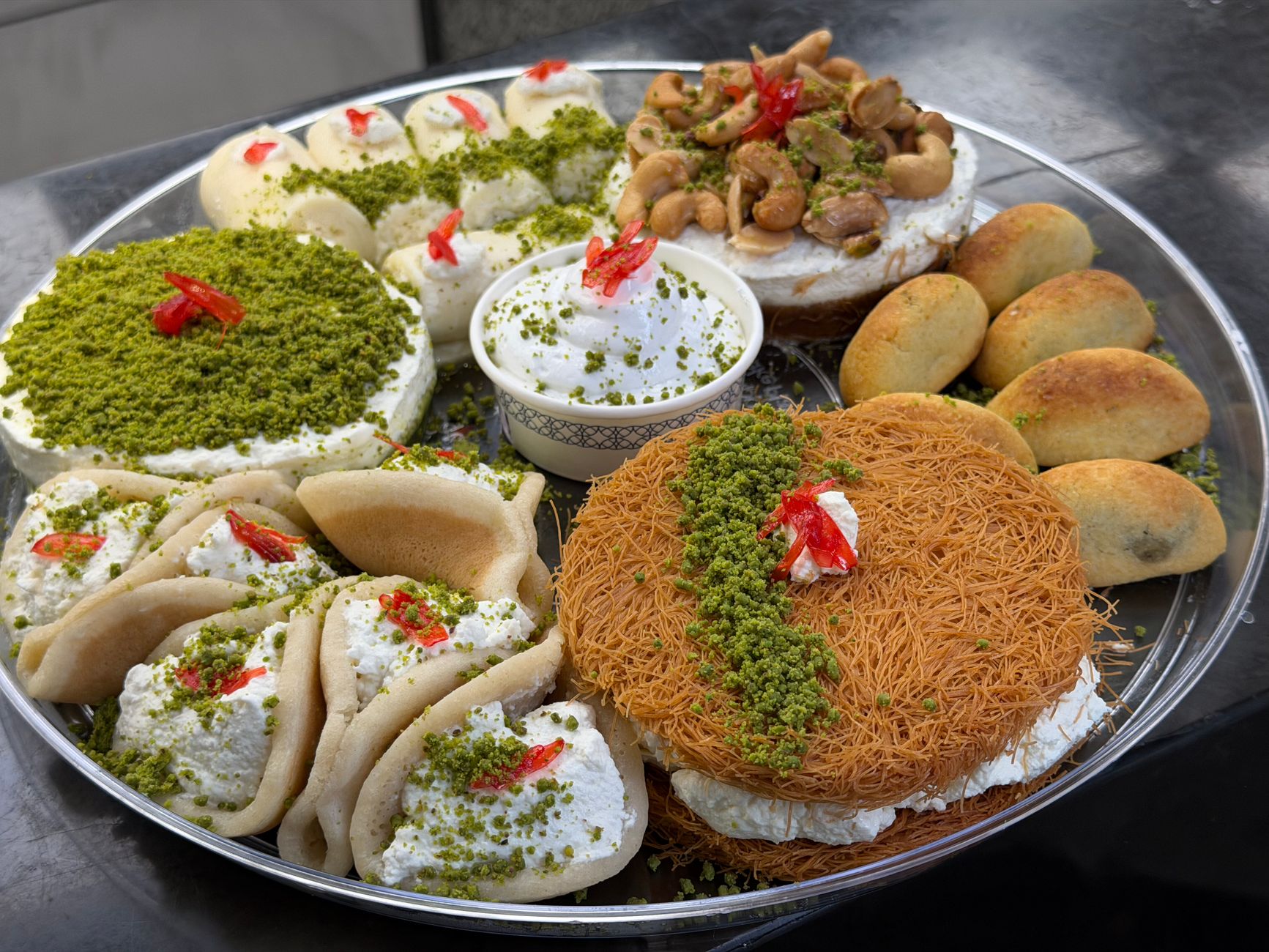
Halawa, also known as halva or halvah, refers to a sweet treat traditionally consumed across various cultures, particularly in the Middle East and Mediterranean regions. Made primarily from nuts, seeds, and sweeteners, halawa has a unique texture and flavor that varies by region and recipe.
This guide explores what halawa is, its key ingredients, flavor profiles, and serving suggestions, making it an essential read for anyone looking to learn more about this beloved sweet treat.
What Is Halawa?
Halawa is a confection that comes in various forms depending on its ingredients, preparation, and cultural context. Typically, it features ground seeds or nuts, such as sesame or pistachios, mixed with sugar and other flavorings. The texture can range from crumbly and dense to smooth and creamy, and the flavor can be nutty, sweet, and rich.
Halawa can be enjoyed on its own or used as an ingredient in various desserts and meals. Its appeal lies in its versatility, as it can be incorporated into snacks, breakfast items, or even served as a topping.
Key Ingredients of Halawa
Understanding the core ingredients of halawa helps in appreciating its flavors and textures. Here’s a breakdown of the main components:
- Nuts or Seeds: The foundation of halawa. The most common are sesame seeds, which create tahini, the base for several halawa recipes. Other variations may include almonds, pistachios, or sunflower seeds.
- Sweetener: Sugar is typically used, but honey, agave syrup, or molasses can serve as alternatives for added flavor complexity.
- Flavorings: Vanilla extract, cocoa powder, or even spices like cinnamon can be added to enhance the overall taste of the halawa.
- Fat: While not always necessary, oils or butter can be included in some recipes to contribute to a smoother texture.
Flavor Profile of Halawa
Halawa has a distinct flavor that varies based on the ingredients used and the preparation method. The predominant flavor is usually nutty, especially when made with sesame seeds or pistachios. Here’s a deeper look at the flavor characteristics:
- Nutty: The base ingredients, particularly sesame and nuts, impart a rich, toasty flavor that is both comforting and satisfying.
- Sweet: The addition of sugar or other sweeteners balances the nutty flavors, making halawa a delectable treat.
- Complex: With the inclusion of flavorings such as vanilla or spices, the taste can evolve, offering additional layers of flavor.
How to Serve Halawa
Halawa can be enjoyed in various ways, making it a versatile addition to your culinary repertoire. Here are some common serving suggestions:
As a Snack
Halawa is often eaten as a snack on its own. Simply cut it into squares or bars for a quick energy boost. Pair it with coffee or tea for an afternoon treat.
On Bread or Toast
Spread halawa on fresh bread, pita, or toast as a delicious addition to breakfast or brunch. You can add sliced bananas or strawberries on top for an extra layer of flavor.
In Desserts
Halawa can be used as a key ingredient in various desserts, such as cookies, cakes, or even ice cream. It adds a unique taste and texture that elevates basic recipes.
In Breakfast Dishes
Add halawa to your morning oatmeal or yogurt for richness and sweetness. It pairs excellently with fruits and nuts to create a balanced breakfast.
Common Variations of Halawa
Halawa has numerous variations, depending on cultural preferences and available ingredients. Here are some notable versions:
- Sesame Halwa: This is the most traditional form, made primarily with tahini (ground sesame seeds) and sugar.
- Pistachio Halwa: Made using ground pistachios and often flavored with rose water or cardamom, this version is rich and aromatic.
- Chocolate Halwa: Incorporating cocoa or melted chocolate, this indulgent variation of halawa appeals to chocolate lovers.
How to Make Traditional Halawa
Ready to try making halawa at home? Here’s a straightforward recipe for traditional sesame halwa, also known as tahini halwa.
Ingredients
- 1 cup tahini
- 1 cup powdered sugar
- 1 teaspoon vanilla extract
- Optional: 1/4 cup chopped nuts (such as pistachios or almonds) for garnish
Equipment Needed
- Mixing bowl
- Spatula or spoon
- 8×8 inch baking dish
- Parchment paper (for easy removal)
Method
- Prepare your workspace by lining a baking dish with parchment paper to prevent sticking.
- In a mixing bowl, combine tahini and powdered sugar. Stir until the mixture is smooth and well incorporated.
- Add vanilla extract and mix until fully combined. If the mixture is too thick, you can add a teaspoon of water to help with consistency.
- Transfer the mixture to the prepared baking dish. Use the spatula to spread it evenly and press it down firmly.
- If desired, sprinkle chopped nuts on top and gently press them into the halawa.
- Cover the dish with plastic wrap and refrigerate for at least 1-2 hours to set.
- Once set, remove from the dish using the parchment paper, cut into squares, and serve.
Common Mistakes When Making Halawa
Here are some common pitfalls to avoid while making halawa:
- Incorrect Measurements: Precision in measuring ingredients is crucial for achieving the right consistency and flavor.
- Overmixing: Mixing too vigorously can incorporate air and lead to a grainy texture. Stir gently to combine ingredients.
- Not Letting It Set: Halawa needs sufficient time in the refrigerator to firm up. Skipping this step can result in a softer and messier product.
Storage and Shelf Life of Halawa
Proper storage of halawa can extend its shelf life and keep it fresh:
- Store halawa in an airtight container to prevent it from drying out.
- Keep it in a cool, dry place, or refrigerate for even longer shelf life.
- Homemade halawa can typically last up to two weeks when stored correctly.
Practical Substitutions for Halawa Ingredients
If you’re looking to modify the classic halawa recipe, here are some reliable substitutions:
- Tahini: If you cannot find tahini, consider using almond butter or peanut butter. Keep in mind that this will alter the flavor profile.
- Powdered Sugar: For a healthier option, you can use coconut sugar, but the texture may differ slightly.
- Vanilla: If you’re out of vanilla extract, almond extract can be a delightful alternative, adding a distinct flavor.
Conclusion
Halawa is a delightful and versatile treat that has earned its place in the hearts of many. With its nutty flavor, sweet profile, and creamy texture, it serves as an excellent snack or dessert. Whether you make it at home or discover it in a local market, halawa offers a taste of cultural heritage that spans generations. Try making your own at home to experience the joy of creating this delicious confection!
Explore more related recipes and cooking tips such as halal white sauce and pistachio paste to enhance your culinary skills even further.