
The first time I made a creamy white sauce from scratch, I realized I’d been missing out on one of the easiest ways to transform simple pasta, chicken, or vegetables into something restaurant-worthy. Halal white sauce is a silky, luxurious condiment that relies on just a handful of pantry staples and a few minutes of careful attention.
This recipe stands out because it skips artificial additives and uses real butter, flour, and milk to build pure, honest flavor. Whether you’re cooking for family weeknight dinners or impressing guests, this sauce adapts to whatever you pair it with.
Why You’ll Love This Recipe
This sauce delivers restaurant-quality results without any fuss or mystery.
- Takes just 15 minutes from start to finish
- Uses five basic ingredients you probably already have on hand
- Works beautifully with pasta, chicken, vegetables, and rice
- Naturally halal when made with halal-certified butter and milk
- Creamy texture that never feels heavy or overly rich
My Experience Making This Recipe
The first batch I made turned out lumpy because I rushed the roux stage, but once I slowed down and let the butter and flour cook together properly, everything clicked. The sauce came together like magic, coating the back of a spoon with that perfect glossy finish.
I’ve made this sauce at least a dozen times since then, and it never disappoints. My kids ask for it on their pasta, and my guests always ask what’s in it because they expect something far more complicated than butter, flour, and milk.
What surprised me most was how versatile it turned out to be. I’ve used it on chicken cutlets, mixed it with steamed broccoli, and even spooned it over roasted cauliflower, and it worked beautifully every time.
Recipe Overview
- Recipe Name: Halal White Sauce
- Servings: Makes approximately 2 cups (4 to 6 servings)
- Prep Time: 5 minutes
- Cook Time: 10 minutes
- Total Time: 15 minutes
- Course: Sauce
- Cuisine: Mediterranean/Middle Eastern
- Calories per Serving: 180
Equipment You Will Need
- Medium saucepan
- Whisk
- Wooden spoon
- Measuring cups and spoons
- Cutting board
- Chef’s knife
Ingredients for Halal White Sauce
- 4 tablespoons unsalted halal butter
- 3 tablespoons all-purpose flour
- 2 cups whole milk (warmed slightly)
- Salt and white pepper (to taste)
- 1/4 teaspoon freshly grated nutmeg
Ingredient Notes and Substitutions
- Unsalted halal butter is the foundation of this sauce and provides both fat for richness and a clean dairy flavor that shines through. You can substitute with ghee for a deeper, toastier flavor, though the sauce will taste slightly different.
- All-purpose flour acts as a thickening agent by creating a roux with the butter, which gives the sauce its silky body. For a gluten-free version, use cornstarch at a 1:1 ratio, though cornstarch-based sauces break down more easily when reheated.
- Whole milk creates the creamiest result, but you can use 2% milk if you prefer a lighter sauce, though the texture will be less luxurious. Avoid skim milk, as it lacks the fat needed for proper richness and mouthfeel.
- White pepper is preferred over black pepper because it dissolves smoothly into the sauce without visible specks, though black pepper works fine if that’s what you have. Use freshly ground pepper for the best flavor.
- Nutmeg is the secret ingredient that gives this sauce its distinctive warmth and depth, a classic touch in traditional white sauce recipes. If you don’t have nutmeg, omit it rather than substitute, as other spices will change the flavor profile entirely.
How to Make Halal White Sauce
Step 1: Melt the Butter
Place your medium saucepan over medium heat and add the butter, allowing it to melt completely without browning. You want the butter to be foamy and ready to accept the flour, which takes about 1 to 2 minutes.
Step 2: Create the Roux
Once the butter is melted, add the flour all at once and whisk constantly for 2 to 3 minutes until the mixture becomes smooth and slightly thick. This cooking time matters because it cooks out the raw flour taste and helps the roux thicken the milk evenly without lumps forming.
Step 3: Warm Your Milk
While the roux cooks, gently warm the milk in a separate container or microwave for 1 to 2 minutes until it’s warm to the touch but not boiling. Adding warm milk to a hot roux prevents sudden temperature changes that cause lumps to form, which is the key to a smooth sauce.
Step 4: Add Milk Gradually
Pour the warm milk into the roux slowly while whisking constantly, adding about one-quarter at a time. This gradual approach allows the roux to fully incorporate each addition, creating a smooth emulsion instead of a lumpy mess.
Step 5: Whisk Continuously
Keep whisking the sauce for 3 to 5 minutes after adding all the milk, watching for it to thicken and coat the back of a spoon. The sauce should bubble gently on the surface and thicken noticeably by the time it reaches the right consistency.
Step 6: Test for Thickness
Dip a spoon into the sauce and run your finger across the back, which should leave a clean trail if the sauce is properly thickened. If it still seems too thin, whisk for another minute or two over medium heat, keeping an eye on it so it doesn’t scorch.
Step 7: Season with Salt and Pepper
Remove the saucepan from heat and add salt and white pepper to taste, whisking to combine. Start with one-quarter teaspoon of salt and add more gradually, tasting as you go, since salt intensity can vary by brand.
Step 8: Add Nutmeg and Final Whisk
Sprinkle the nutmeg over the surface and whisk it in thoroughly, making sure no lumps of spice remain visible. A final vigorous whisk ensures the nutmeg distributes evenly and adds that signature warmth to every spoonful.
Pro Tip: Room temperature or slightly warm milk is the single most important factor in preventing lumps. Cold milk hitting a hot roux causes the starch molecules to seize up, creating those frustrating little clumps that no amount of whisking can fix.
Tips for the Best Halal White Sauce
- Whisk constantly throughout the entire cooking process to keep the sauce smooth and prevent lumps from forming on the bottom of the pan. Lazy whisking is the number one reason home cooks end up with a lumpy sauce.
- Use a medium heat setting rather than high heat, which helps you maintain better control over the sauce consistency and prevents it from scorching. High heat can also cause the milk to scald, which affects the flavor.
- If your sauce does develop lumps, pour it through a fine-mesh strainer into a clean bowl while it’s still hot to rescue it. This isn’t a failure, just a minor adjustment that only adds 30 seconds to your timeline.
- Make this sauce fresh each time rather than trying to store it unfinished in the pan, as it thickens considerably as it cools and separates when reheated. A fresh batch always tastes better and takes only 15 minutes.
- Taste and adjust seasoning only after the sauce has finished cooking, since flavors can shift slightly during the cooking process. Add salt in small increments because it’s easier to add more than to remove it.
- For a thicker sauce that clings to pasta or vegetables, add an extra tablespoon of flour to the roux. For a thinner, pourable sauce, use an extra quarter cup of milk.
Common Mistakes to Avoid
- Adding cold milk directly to the hot roux causes clumping because the starch molecules seize up instantly. Always warm your milk first to prevent this frustration.
- Skipping the roux stage and trying to thicken milk with just flour mixed in cold creates a grainy, unpleasant texture that no amount of whisking fixes. The roux must cook together with the butter first.
- Leaving the sauce unattended once the milk is added allows it to stick to the bottom and scorch, creating a burnt taste that affects the entire batch. Never step away from the stove during the thickening stage.
- Using salted butter instead of unsalted butter makes it impossible to control the final salt level, leading to an overly salty sauce. Always read your butter label to confirm it’s unsalted.
- Cooking the sauce on too high heat causes it to bubble aggressively and can cause the milk solids to separate from the fat. Medium heat gives you better control and a silkier final product.
Serving Suggestions
This sauce transforms simple ingredients into something memorable and works beautifully with both hot and room-temperature dishes. Serve it warm for the best flavor and texture.
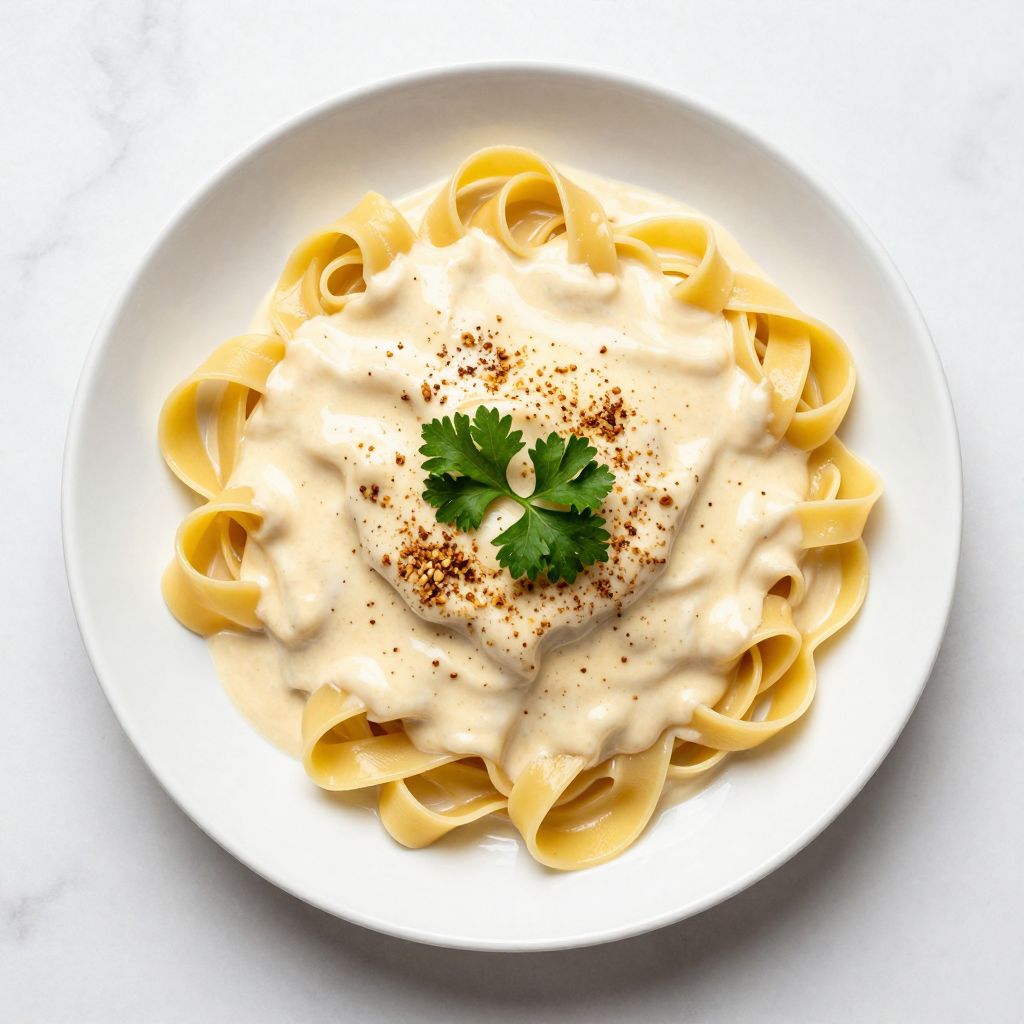
- Toss with cooked fettuccine or penne pasta for a classic creamy pasta dish
- Spoon over grilled chicken breast or pan-seared chicken cutlets for elegant weeknight dinners
- Pour over steamed broccoli, cauliflower, or mixed vegetables for a vegetable side dish
- Use as a dipping sauce for roasted potato wedges or bread
- Mix into cooked rice pilaf for a creamy rice dish
Variations to Try
- Garlic white sauce: Add 3 to 4 minced garlic cloves to the butter before adding the flour and cook for 30 seconds until fragrant, which infuses the entire sauce with subtle garlic flavor.
- Herb-infused white sauce: Stir in 2 tablespoons of fresh parsley, basil, or dill after the sauce finishes cooking to add brightness and herbal notes without affecting the creamy base.
- Mushroom white sauce: Saute 1 cup of sliced mushrooms in the butter before adding the flour, which adds umami depth and a slightly earthy flavor that pairs beautifully with pasta.
- Cheese-enhanced white sauce: Stir in half a cup of grated Parmesan cheese after the sauce finishes cooking for richness and a savory punch that elevates any dish.
- Black pepper white sauce: Use freshly cracked black pepper instead of white pepper and increase the amount to one-half teaspoon for a more peppery, spiced version.
Dietary Adaptations
- Gluten-free: Replace the all-purpose flour with cornstarch at a 1:1 ratio, though note that cornstarch-based sauces may break down more easily when reheated.
- Dairy-free: Substitute the butter with olive oil and the milk with unsweetened oat milk or cashew cream, though the flavor profile will shift noticeably away from classic white sauce.
- Vegan: Use vegan butter and any plant-based milk, keeping in mind that the sauce may not thicken quite as effectively as the dairy version.
- Low-carb or keto: Use the same recipe but pair it with low-carb vegetables or zucchini noodles instead of traditional pasta, as the sauce itself is already quite low in carbohydrates.
Storage and Reheating
Refrigerator
Store leftover white sauce in an airtight container for up to 3 days.
- Let the sauce cool to room temperature before covering and refrigerating
- The sauce will thicken further as it cools, which is completely normal
Freezer
White sauce freezes reasonably well for up to 2 months, though the texture may be slightly grainier after thawing.
- Pour into ice cube trays for convenient single-serving portions
- Transfer frozen cubes to a freezer bag once solid to save space
Reheating
Reheat slowly over low heat, stirring constantly and adding a splash of milk if the sauce has become too thick.
- Reheat on the stovetop in a saucepan rather than the microwave for better texture control
- Add liquid gradually to reach your desired consistency
Nutrition Information
| Nutrient | Amount |
|---|---|
| Calories | 180 |
| Total Fat | 12g |
| Saturated Fat | 7g |
| Carbohydrates | 14g |
| Fiber | 0g |
| Sugar | 2g |
| Protein | 5g |
| Sodium | 150mg |
| Cholesterol | 30mg |
These values are estimates and may vary depending on specific brands and portion sizes used in your preparation.
Frequently Asked Questions
Can I make this sauce ahead of time?
Yes, you can make it up to 3 days ahead and refrigerate it in an airtight container. Reheat it gently over low heat on the stovetop, adding a splash of milk to reach your desired consistency.
What can I use if I don’t have white pepper?
Black pepper works perfectly fine and tastes nearly identical, though you’ll see the black specks in the white sauce. Use the same amount called for in the recipe.
Why is my sauce grainy or lumpy?
Lumps typically form when cold milk meets hot roux or when you rush the whisking process. Always warm your milk first and whisk constantly throughout cooking.
Can I use this sauce on vegetables other than broccoli?
Absolutely, this sauce works beautifully on any vegetable including cauliflower, asparagus, green beans, and spinach. Spoon it warm over your favorite cooked vegetables.
How do I know when the sauce is done cooking?
The sauce is ready when it coats the back of a spoon and you can run your finger across to leave a clean trail. It should bubble gently on the surface when simmering.
Can I double this recipe for a crowd?
Yes, simply double all the ingredients and use a larger saucepan, though watch carefully during cooking as larger quantities may take slightly longer to thicken. The ratio of butter to flour to milk remains the same.
Final Thoughts
This halal white sauce proves that you don’t need complicated techniques or fancy ingredients to create restaurant-quality results at home. The fact that it takes just 15 minutes and relies on basic pantry staples makes it perfect for busy weeknights and special dinners alike.
Once you master this simple sauce, you’ll find yourself making it again and again, adapting it to whatever proteins and vegetables you have on hand. Give it a try and discover why this humble sauce has remained a kitchen staple for generations.
Explore More Delicious Sauce Recipes
If you enjoyed learning how to make this creamy white sauce, you might also love discovering other homemade sauce recipes that bring restaurant quality to your kitchen.
Learn how to make authentic white gravy recipe for a savory variation, or try your hand at alfredo sauce recipe with cream cheese for an even richer and more indulgent option.
Halal White Sauce
Ingredients
Equipment
Method
- Place a medium saucepan over medium heat and add 4 tablespoons of unsalted halal butter, melting it completely without browning, about 1 to 2 minutes.
- Add 3 tablespoons of all-purpose flour to the melted butter and whisk constantly for 2 to 3 minutes until smooth and slightly thickened.
- Warm 2 cups of whole milk in a separate container or microwave for 1 to 2 minutes until warm to the touch but not boiling.
- Pour the warm milk into the roux slowly while whisking constantly, adding about one-quarter at a time to form a smooth emulsion.
- Continue whisking the sauce for 3 to 5 minutes until it thickens and coats the back of a spoon, bubbling gently.
- Test the sauce thickness by dipping a spoon and running your finger across the back; if it’s too thin, whisk for another 1 to 2 minutes over medium heat.
- Remove the saucepan from heat and season with salt and white pepper to taste, starting with 1/4 teaspoon salt and adjusting as needed.
- Sprinkle 1/4 teaspoon of freshly grated nutmeg over the sauce and whisk vigorously to incorporate completely.