
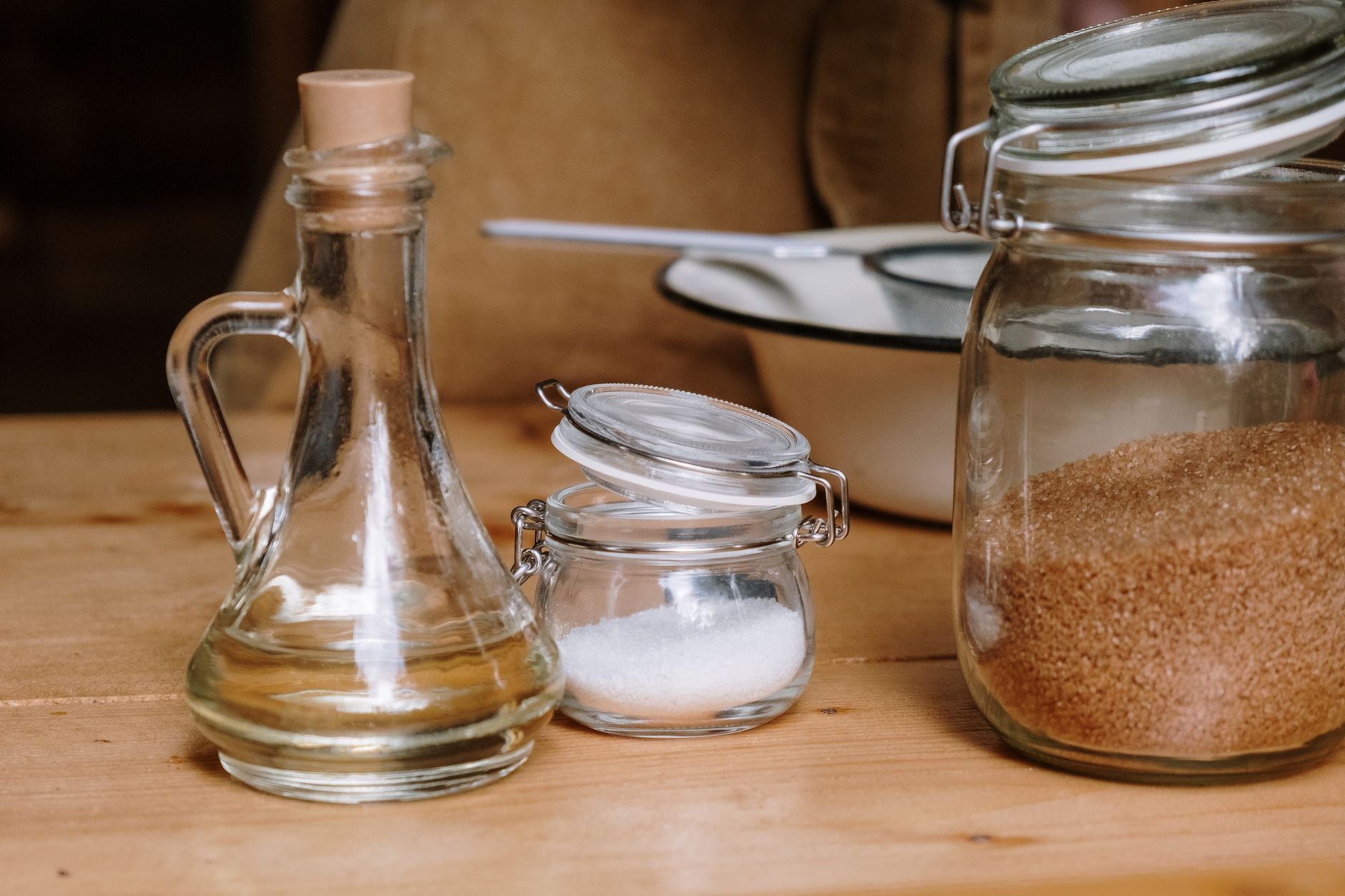
Glycerin, also known as glycerol, is a versatile compound commonly used in food products. It acts as a humectant, sweetener, and preservative, contributing to texture and moisture retention in various dishes. Understanding glycerin’s role in food can enhance your culinary knowledge and help you make informed ingredient choices.
This article delves into what glycerin is, its properties, culinary uses, and important considerations in food preparation. Whether you’re baking, preparing desserts, or exploring food preservation methods, knowing about glycerin can open up new possibilities in your cooking.
What Is Glycerin in Food?
Glycerin is a colorless, odorless, sweet-tasting liquid that is derived from both plant and animal sources. It is a byproduct of soap-making and biodiesel production, where fats and oils are broken down into glycerol and fatty acids. In food, glycerin serves several purposes, including improving moisture retention, enhancing flavor, and acting as a thickening agent.
In addition to its culinary applications, glycerin is considered safe and is recognized as a generally accepted ingredient by food safety authorities like the FDA and EFSA. Its sweet taste means it is often used in low-sugar and sugar-free products, which is especially beneficial for those managing their sugar intake.
Properties of Glycerin
Understanding the properties of glycerin is crucial for its effective use in the kitchen. Here are some key characteristics:
- Hygroscopic Nature: Glycerin’s capacity to attract and hold water makes it an excellent humectant. This property helps to maintain moisture in baked goods and confectioneries.
- Sweetness: Glycerin is sweet but less sweet than sugar (sucrose), making it a popular sweetener in various products.
- Solubility: It blends well with both water and alcohol, making it useful in a variety of food and drink formulations.
- Non-toxic: Glycerin is safe for human consumption and is used in many food applications.
Culinary Uses of Glycerin
Glycerin’s versatility allows it to be used in numerous food preparations. Below are some common culinary applications:
1. Baking
In baking, glycerin contributes to the texture and moisture of baked goods. It helps prevent the drying out of cakes, cookies, and bread, ensuring a soft and tender product. When glycerin is included in recipes, it can help improve the shelf life by maintaining moisture content.
2. Confectionery
Glycerin is widely used in candy-making. It prevents sugar crystallization, ensuring a smooth texture in candies, fudge, and fondant. Additionally, it can enhance the chewiness of gummies and other chewy confections.
3. Low-Sugar and Sugar-Free Products
Due to its sweetness, glycerin serves as a sugar substitute in various low-sugar and sugar-free foods. It provides the sweet taste with fewer calories than traditional sugars, which is beneficial for people looking to reduce sugar intake without compromising flavor.
4. Salad Dressings and Sauces
Glycerin can act as a stabilizer in salad dressings and sauces, helping to keep emulsions intact. This function prevents separation, ensuring a consistent texture and flavor profile.
5. Beverage Production
In the beverage industry, glycerin is used to add sweetness and viscosity. It can enhance the mouthfeel of drinks and is commonly found in flavored syrups, cocktails, and non-alcoholic beverages.
Glycerin vs. Other Sweeteners
When evaluating glycerin as a sweetener, it’s important to compare it with other common options:
- Glycerin: Offers fewer calories and is less sweet than sugar, making it a suitable option for those seeking a moderate sweetness level.
- Honey: A natural sweetener with additional flavor complexity, but it adds more calories and varies in sweetness.
- Stevia: A highly concentrated natural sweetener that is calorie-free, offering a much sweeter taste compared to glycerin.
- Sugar Alcohols (like xylitol and erythritol): These offer lower calorie counts as well, but may have digestive implications for some individuals.
Practical Kitchen Uses of Glycerin
In addition to its culinary roles, glycerin can be useful in everyday kitchen scenarios.
1. Ensuring Moisture in Cakes
Add a small amount of glycerin to cake batter to keep the cake moist and soft for an extended period. A teaspoon or two per batch is often sufficient.
2. Improving Cake and Cookie Texture
For chewy cookies or a more tender cake, glycerin can help achieve desired textures. Experiment with incorporating glycerin to replace a portion of the sugar in recipes.
3. Making Homemade Gummies
When creating homemade gummy candies, glycerin can improve the texture and keep the finished product chewy rather than sticky.
Substituting Glycerin in Recipes
When it comes to substituting glycerin in recipes, understanding the alternatives can help you maintain desired flavors and textures.
- For Humectancy: If you lack glycerin, consider using honey or agave nectar, both of which also attract moisture. Keep in mind that these alternatives will alter the sweetness level.
- For Sweetening: If replacing glycerin due to sweetness, sugar or sugar substitutes like erythritol can serve as alternatives. However, note that this can affect the moisture content.
Common Mistakes to Avoid
While using glycerin in food preparation, here are some common mistakes to watch out for:
- Overuse: Too much glycerin can lead to an overly sweet product, so it’s best to start with small quantities and adjust to taste.
- Inappropriate Substitutions: Not all sweeteners can directly replace glycerin due to differences in moisture retention and sweetness, leading to unintended textures.
Safety and Considerations
Although glycerin is considered safe, it’s crucial to purchase food-grade glycerin if using it in cooking or baking. The glycerin used in cosmetic products or industrial applications may not be safe for consumption.
As with any ingredient, individual sensitivities can vary. If you’re incorporating glycerin into your meals for the first time, monitor for any adverse reactions.
Storage and Shelf Life
Glycerin has a long shelf life when stored correctly. Keep it in a cool, dark place in a tightly sealed container. Ensure to check for any unusual odors or changes in texture before use, although glycerin is typically safe even past its expiration date if stored properly.
Conclusion
Glycerin is a multifaceted ingredient that can enhance moisture, sweetness, and texture in food products. Understanding its properties and uses can improve your cooking and baking outcomes. Whether you’re making cakes, candies, or sauces, glycerin can be a practical addition to your culinary toolkit. Explore the world of food and ingredient combinations, and discover how glycerin can elevate your cooking experiences.
For more insights into cooking techniques and ingredient uses, check out our articles on glucose syrup and shortening in baking.